
Color foliage guide • Updated April 29, 2026
Colorful foliage houseplants need the right light to keep their color
Quick answer: Colorful foliage houseplants include croton, calathea, prayer plant, coleus, polka dot plant, nerve plant, bromeliads, tradescantia, and variegated pothos or philodendron. The most important care factor is light: too little light fades color, while harsh direct sun can scorch delicate leaves.
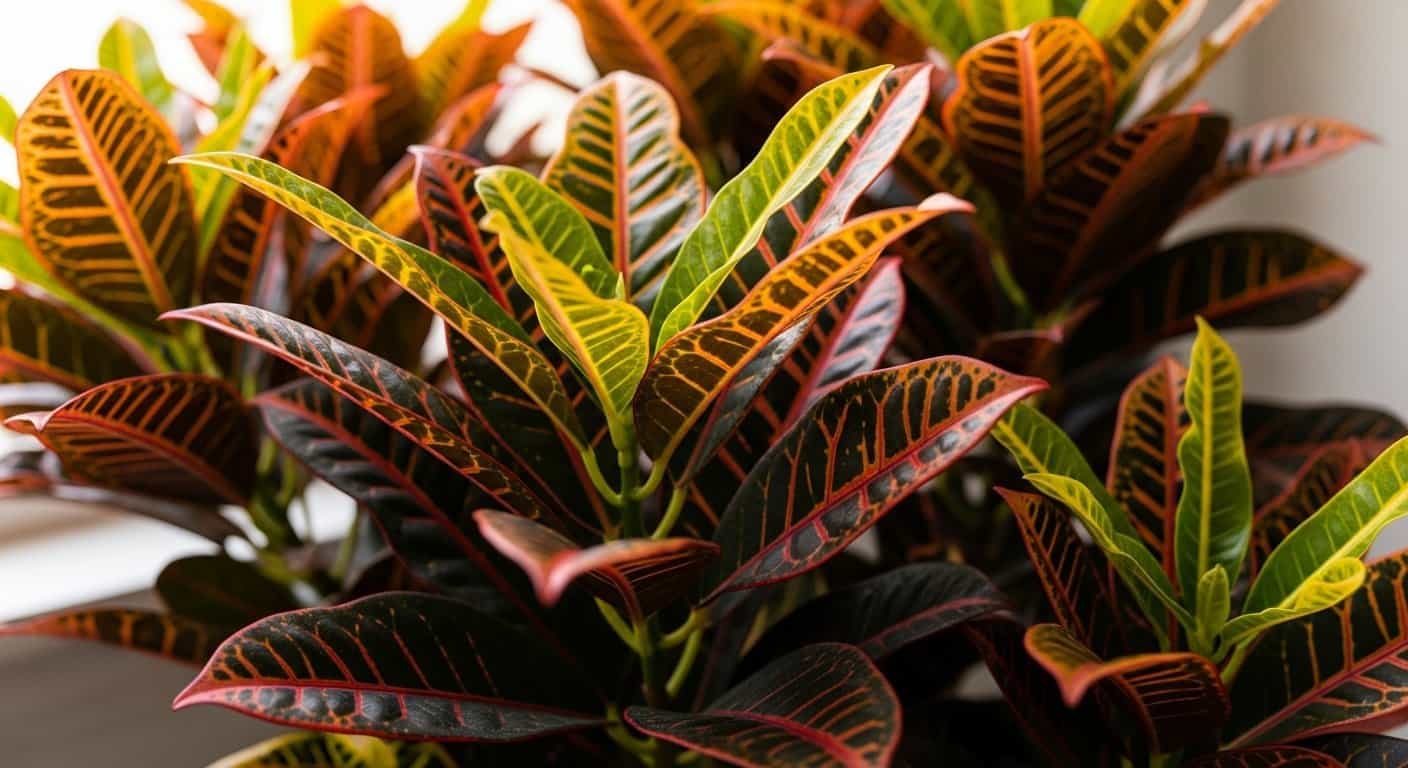
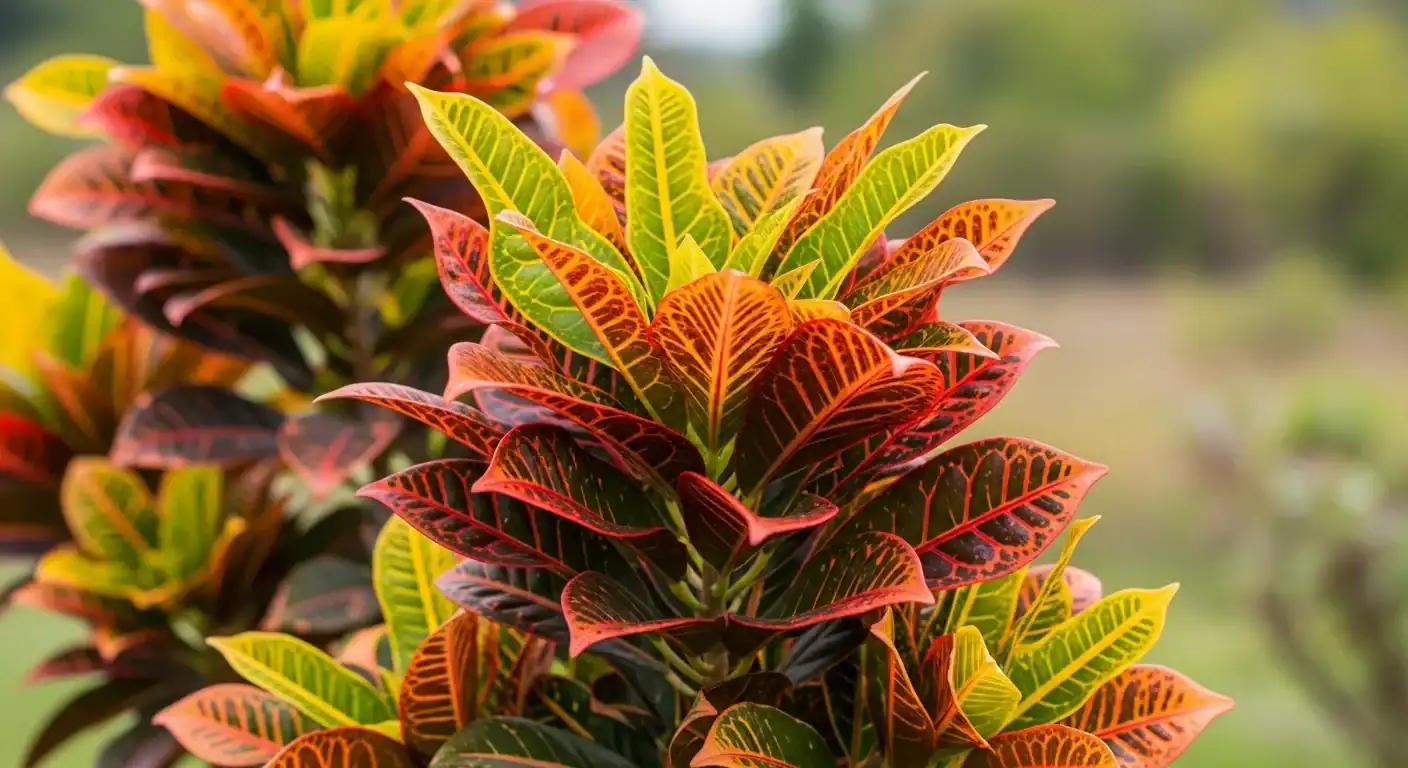
Croton, coleus, bromeliad, polka dot plant.
Calathea, prayer plant, nerve plant, tradescantia.
Golden pothos and many variegated trailing plants.
Decision framework
| Factor | Why it matters | Best move |
|---|---|---|
| Croton | Bright colorful leaves | Needs bright light and stable care. |
| Calathea | High-pattern foliage | Needs humidity and consistent moisture. |
| Tradescantia | Purple/silver trailing color | Pinch often to prevent legginess. |
Step-by-step action plan
- Choose by your real window light first.
- Avoid placing delicate foliage in harsh afternoon sun.
- Use consistent watering for thin-leaved plants.
- Rotate pots so color develops evenly.
- Watch for fading, crispy edges, or stretched growth as light clues.
FAQ
What houseplant has the most colorful leaves?
Croton is one of the boldest indoor foliage plants, while calathea and tradescantia offer strong patterns and purple tones.
Why is my colorful houseplant losing color?
Low light is the common reason. Age, stress, nutrient issues, or too much direct sun can also change leaf color.
Editorial update: Expanded on April 29, 2026 for stronger search intent coverage, answer extraction, internal authority routing, and practical reader decisions.
PlantasticHaven care guide · Updated 2026
Colorful Foliage Houseplants: Best Indoor Leaves by Color, Light & Care
A visual foliage guide built around color intent, plant-care reality, and strong links to yellow, low-light, and pet-safe plant clusters.
Quick summary
Colorful foliage usually needs better light
Strong leaf color is often linked to light. Deep shade can make variegated, red, yellow, or patterned plants lose contrast or grow weak. Bright indirect light is the safest target for many colorful tropical plants.
- Croton needs brighter light than many beginner plants.
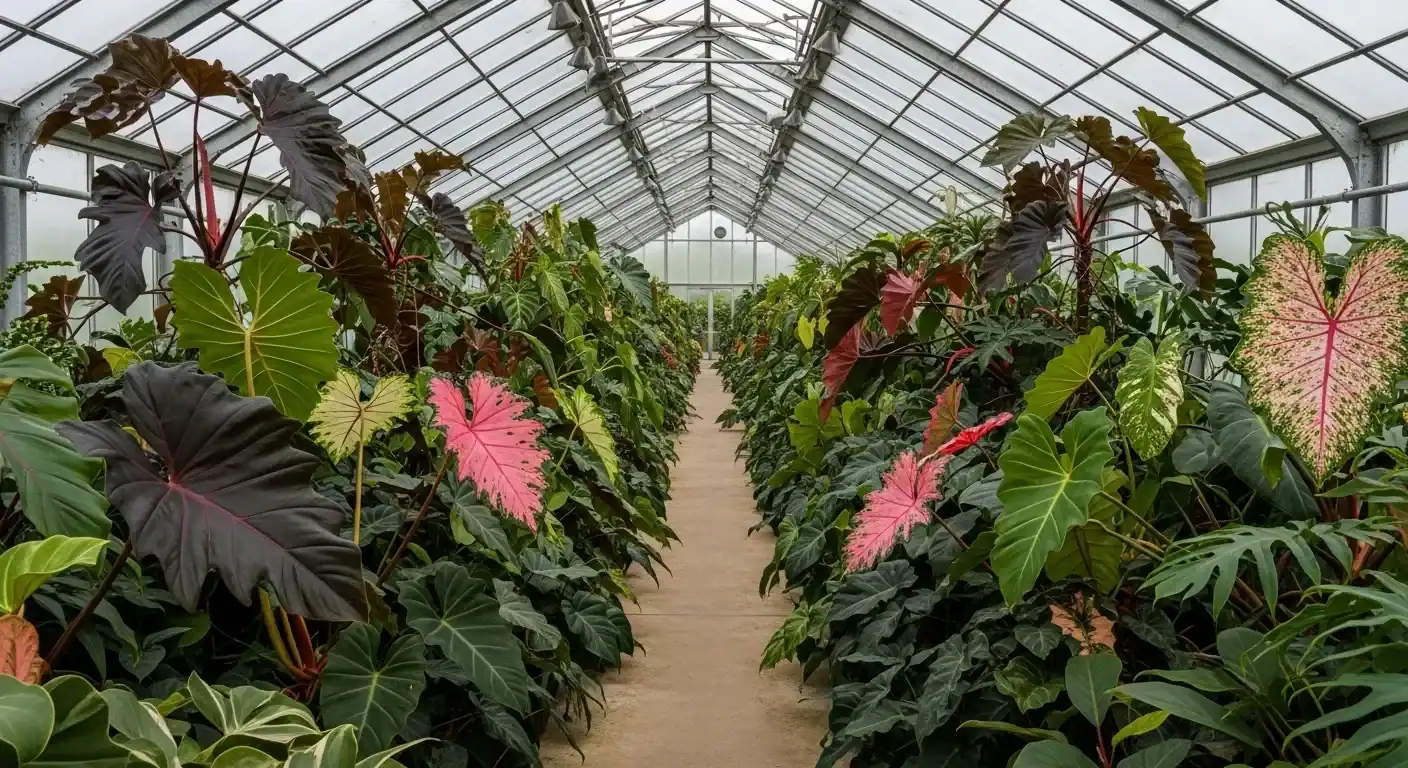
- Caladium and alocasia need warmth and may be seasonal indoors.
- Aglaonema can offer color with more tolerance for moderate light.
- Rex begonia, fittonia, and polka dot plant need consistency and may dislike dry air.
- Variegated vines can revert or fade when light is too low.
PlantasticHaven guide
Best colorful plants by leaf color
| Color family | Plants to consider | Care difficulty |
|---|---|---|
| Yellow/lime | Golden pothos, lemon-lime philodendron, Golden Goddess Philodendron, yellow caladium | Easy to moderate |
| Red/orange | Croton, red aglaonema, red anthurium foliage types, coleus | Moderate |
| Pink | Pink polka dot plant, pink syngonium, aglaonema cultivars, fittonia | Moderate |
| Purple | Purple passion plant, rex begonia, tradescantia | Moderate |
| Silver | Scindapsus pictus, silver peperomia, silver satin pothos, certain begonias | Easy to moderate |
| Patterned green | Prayer plant, calathea, dieffenbachia, variegated pothos | Easy to advanced depending on species |
PlantasticHaven guide
Care table for colorful foliage
| Care factor | Best practice | Why it matters |
|---|---|---|
| Light | Bright indirect for most colorful plants | Maintains color without scorching |
| Water | Consistent but not soggy | Colorful thin-leaved plants often resent extremes |
| Humidity | Moderate humidity for tropical foliage | Reduces crispy edges on sensitive leaves |
| Fertilizer | Light feeding during active growth | Too much can stress roots or distort growth |
| Pruning | Remove reverted or weak growth when appropriate | Keeps shape and pattern stronger |
PlantasticHaven guide
How to design with colorful plants
Use colorful foliage as an accent, not wallpaper. Too many competing patterns can make a shelf look chaotic.
One hero plant
Use croton, caladium, or a red aglaonema as the color anchor.
One trailing plant
Add golden pothos or lemon-lime philodendron for movement.
One texture plant
Use peperomia, fern, or palm to calm the display.
Neutral pot strategy
White, terracotta, black, and warm wood let foliage color stand out.
PlantasticHaven guide
Colorful foliage mistakes
- Putting high-color plants in deep shade.
- Letting direct hot sun scorch thin leaves.
- Forgetting pet safety with colorful aroids.
- Overfertilizing to “boost color.”
- Ignoring humidity needs for calathea, fittonia, and some begonias.
- Buying based on color without checking mature size.
Quick answers
FAQ
What is the most colorful indoor plant?
Croton is one of the boldest colorful indoor foliage plants, with red, orange, yellow, and green leaves, but it needs bright light and consistent care.
What colorful plant is easiest indoors?
Golden pothos, lemon-lime philodendron, colorful aglaonema, and some peperomias are easier starting points than calathea or alocasia.
Do colorful houseplants need direct sun?
Most prefer bright indirect light. Some tolerate gentle morning sun, but harsh direct sun can scorch leaves.
Are colorful foliage plants pet-safe?
Some are, some are not. Many aroids are toxic if chewed. Verify exact species with ASPCA before placing plants around pets.
References