
Practical houseplant care for real homes
Houseplant care for a calmer, greener home.
Choose indoor plants that fit your rooms, understand what their leaves are telling you, and build a practical care rhythm around light, watering, soil, roots, temperature, pests, and real evidence.
The Plantastic method
Make one good care decision at a time.
Healthy plant care becomes simpler when you stop changing everything at once. Read the room, check the plant, and correct the safest likely cause first.
Observe the room
Check window direction, distance from glass, temperature swings, humidity, and airflow before moving or buying a plant.
Match the plant
Choose a species whose light, space, pet-safety profile, and watering tolerance fit the home you actually have.
Water by evidence
Use soil moisture, pot weight, drainage, season, and leaf response. Treat the calendar as a check-in, never an automatic command.
Change one variable
Correct the most likely cause, give the plant time to respond, and judge improvement by new growth rather than old damaged leaves.
High-value care guides
Build strong roots. Read the room. Rescue problems early.
The homepage routes readers and search engines into clear, useful topic clusters instead of presenting a random wall of articles.
Indoor plant care that works in ordinary homes.
Learn the connected system behind light, watering, drainage, soil, humidity, feeding, repotting, and common leaf symptoms.
Open the complete care guideDecode bright, medium, and low light.
Understand windows, distance, scorch, stretching, and when a grow light is actually useful.
Read the lighting guideStop watering on autopilot.
Use a dryness-first routine shaped by plant type, pot size, soil, light, and season.
Build a better rhythmChoose plants for dimmer rooms realistically.
Low light is slower-growth light—not darkness. Find tolerant species and adjust watering.
Explore low-light plantsInspect, isolate, and treat safely.
Identify common indoor pests early and use the least disruptive effective control first.
Open the pest guideChoose by fit, not hype
Find a plant for the room you actually have.
Start with light level, care tolerance, growth habit, and pet safety. The prettiest plant is the one your home can support.
Beginner plants
Forgiving choices for learning light, dry-down, and weekly care.
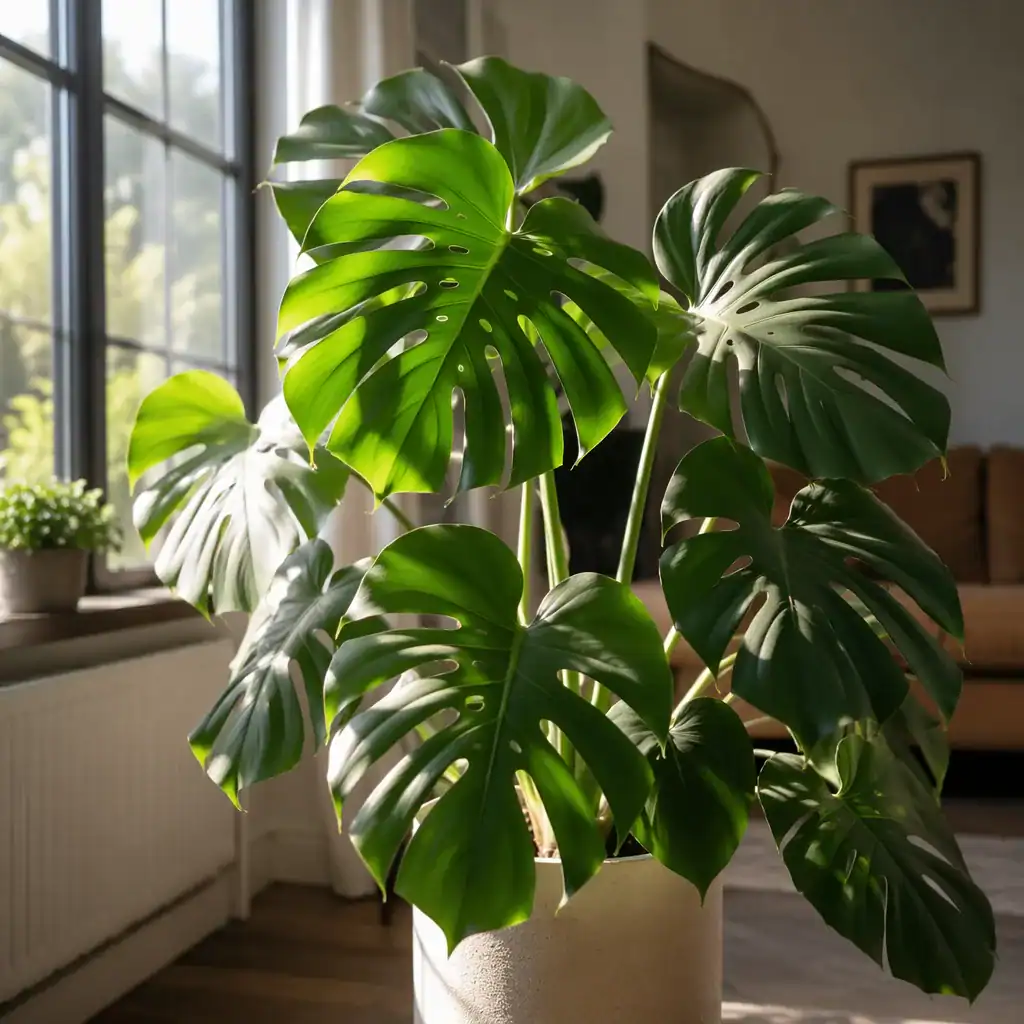
Statement plantMonstera
Light, climbing support, soil, watering, yellow leaves, and fenestration.
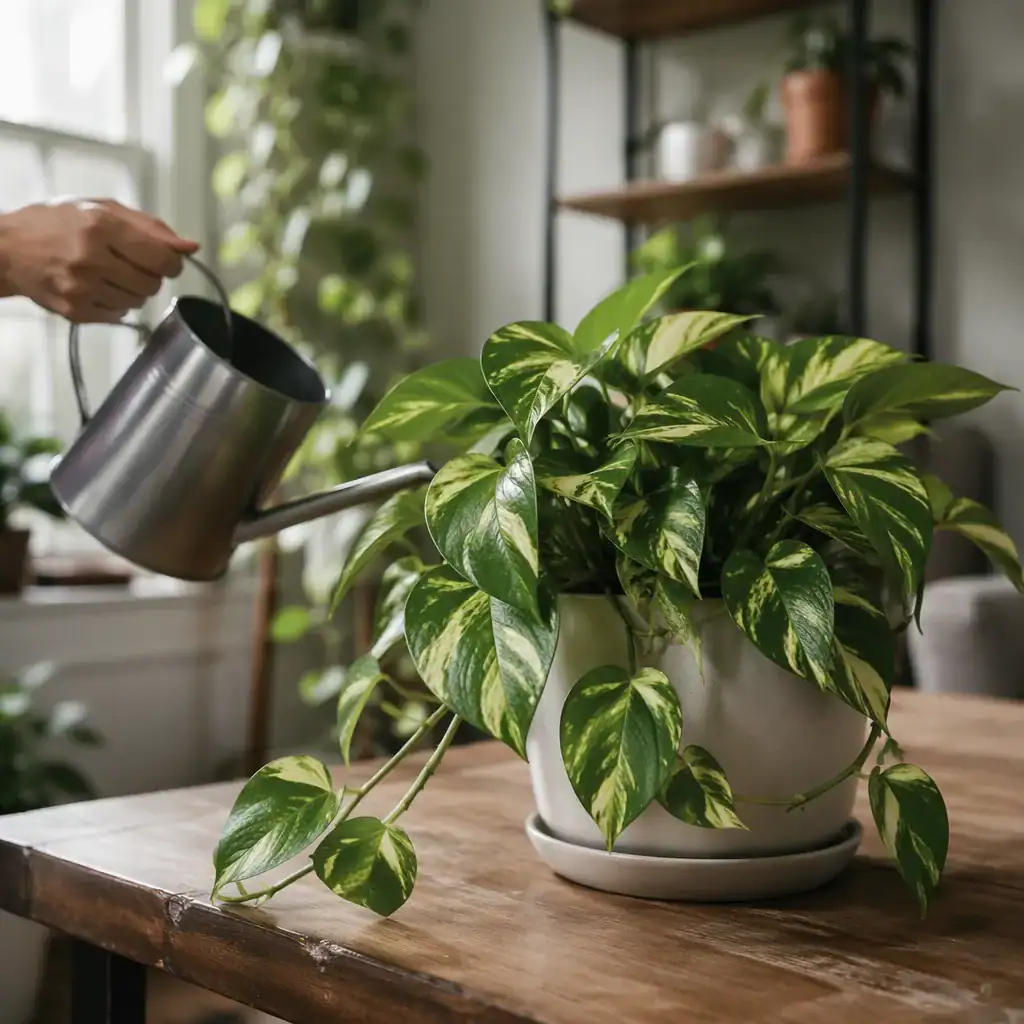
Trailing favoritePothos
Adaptable vines for shelves, offices, propagation, and beginner routines.
Safer setupPet-friendly plants
Commonly non-toxic options, identification checks, and safer placement.
Verified published guides
Popular plant questions, answered with the right guide.
Explore identification, light, temperature, soil, color, and troubleshooting guides already published on PlantasticHaven. Every card links directly to its live article.
Is a purple spider plant real?
Separate true spider plants from Purple Heart, Tradescantia, and other lookalikes before changing care.
Identify your plant →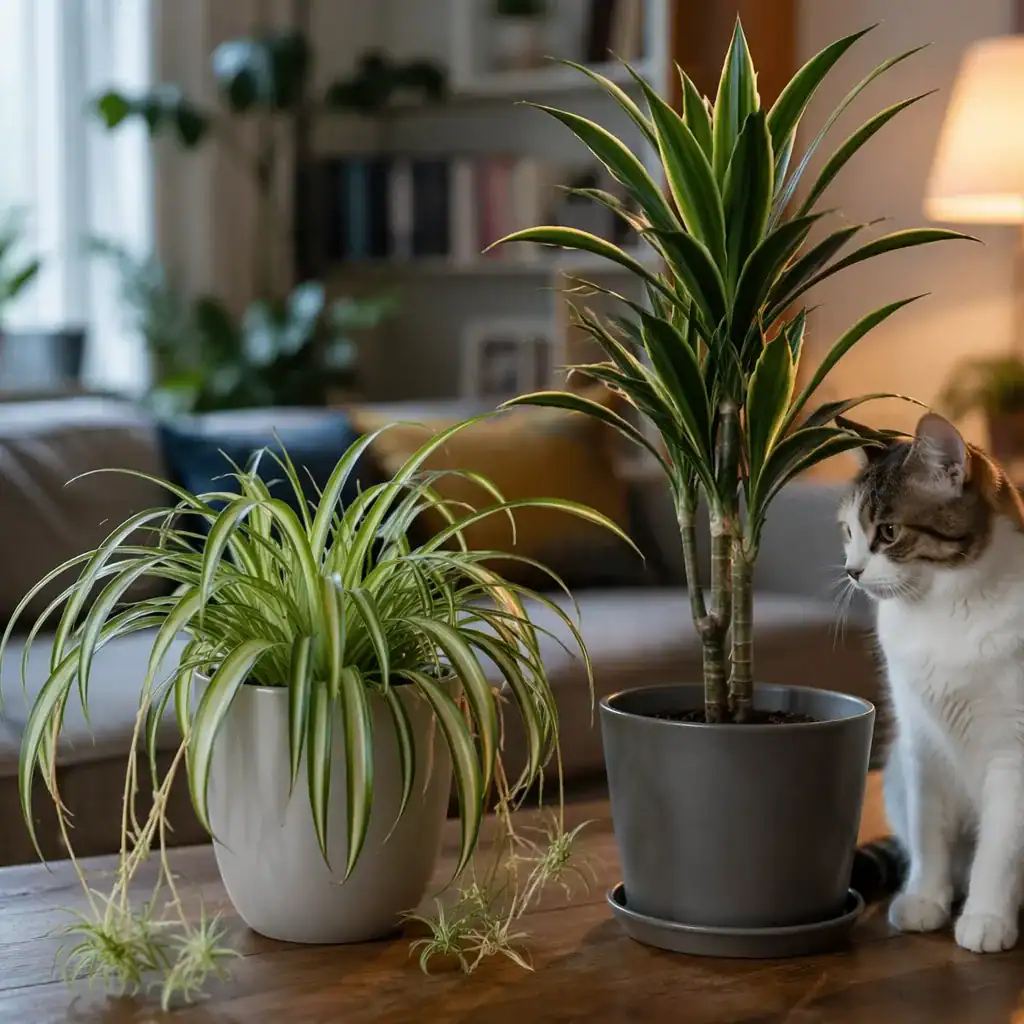
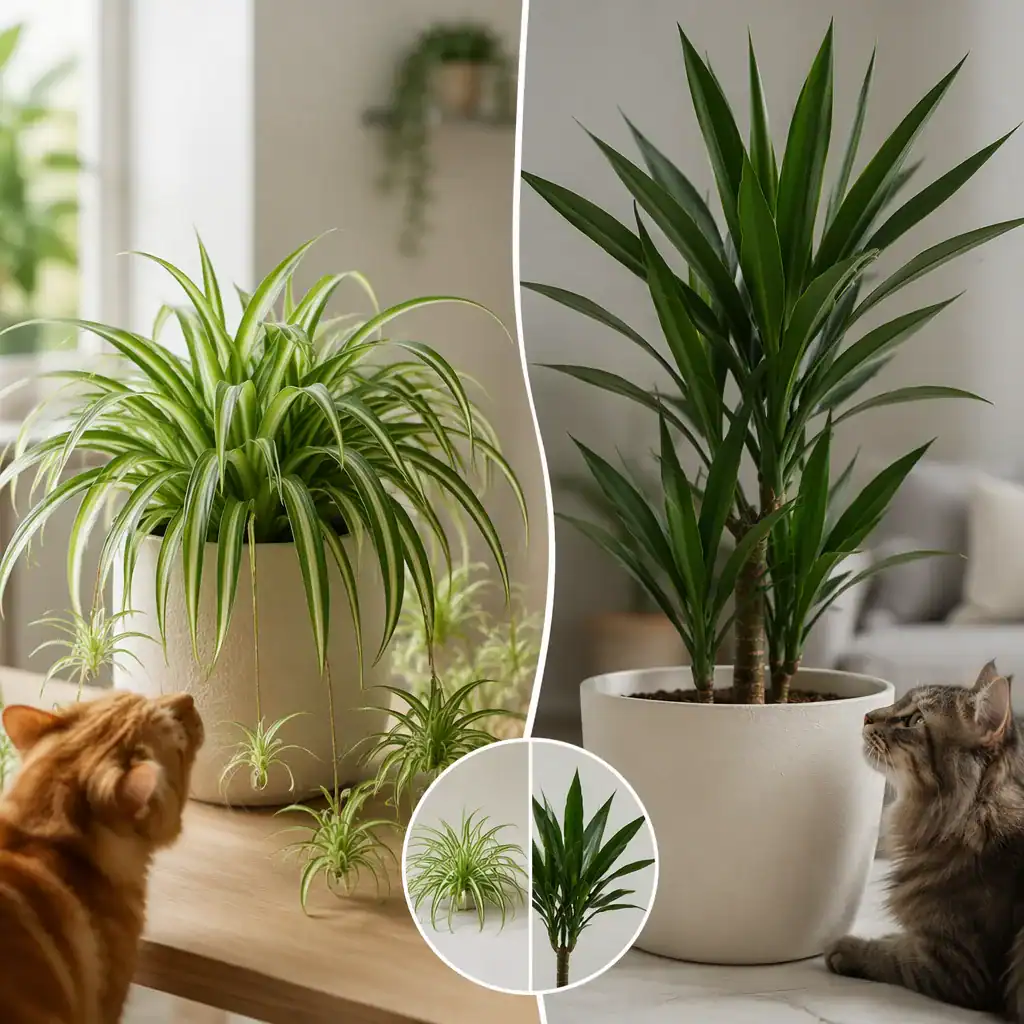
Spider plant vs Dracaena
Use plantlets, leaf stiffness, growth habit, watering, and pet safety to tell them apart.
Compare the plants →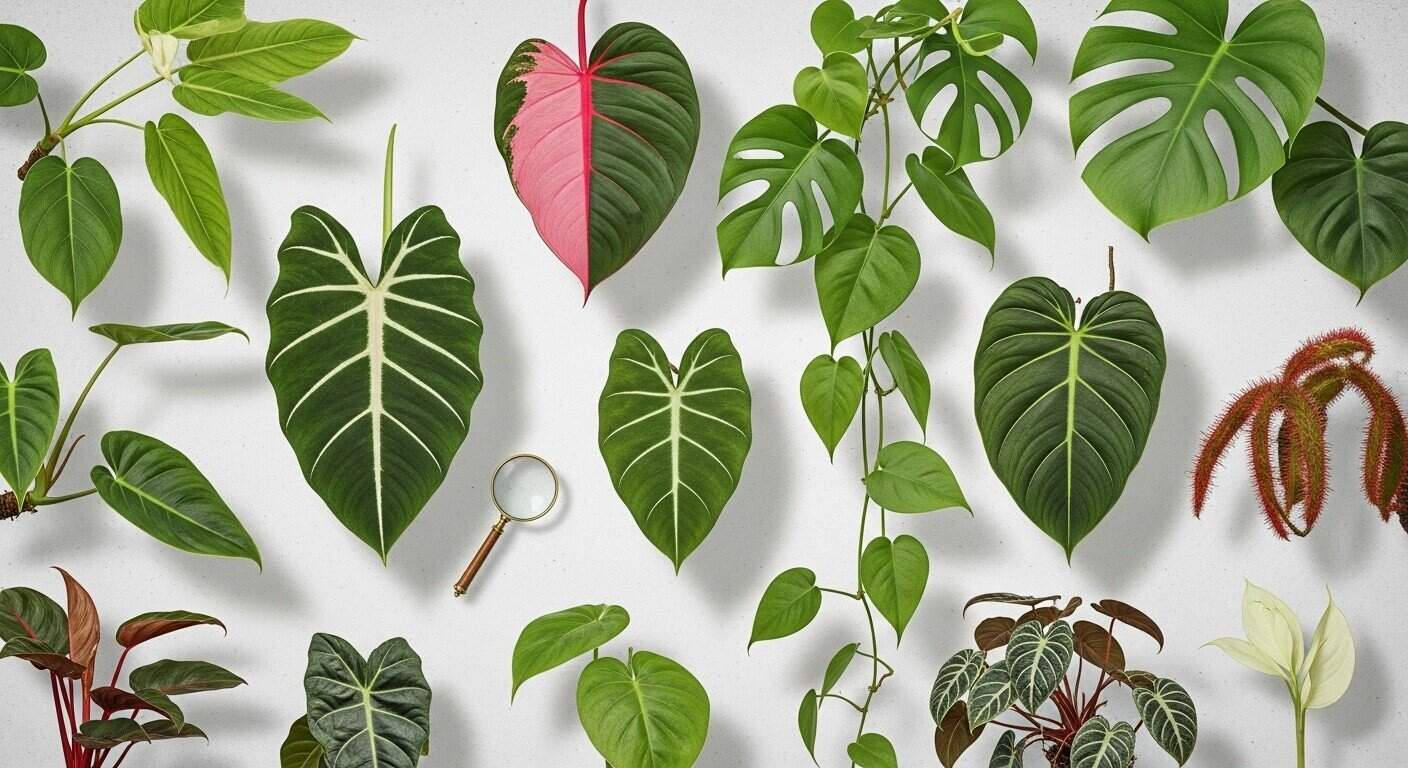
How cold can Philodendron tolerate?
Understand safe indoor ranges, cold-damage warning signs, drafts, and winter watering.
Protect your plant →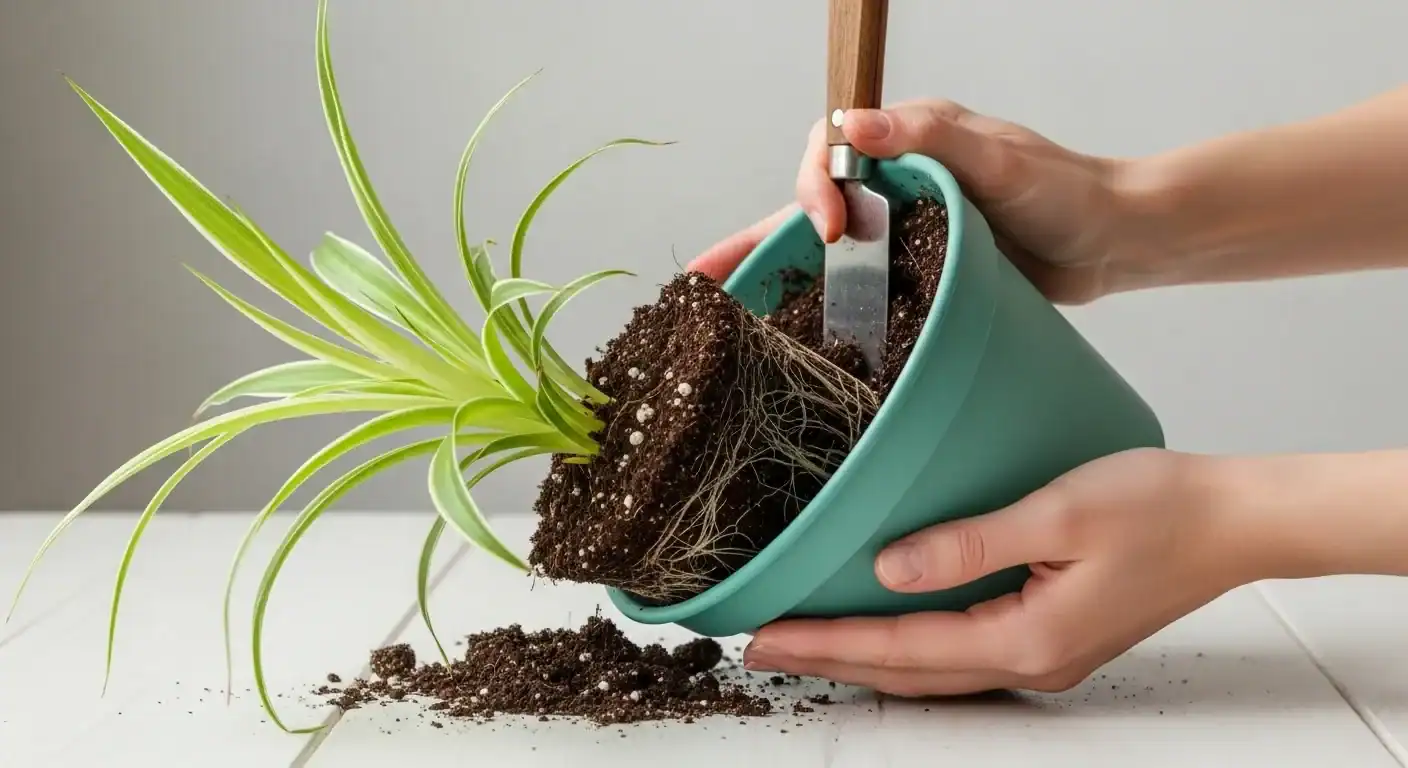
Build a better Philodendron soil mix
Use a practical chunky ratio that balances moisture, drainage, and root oxygen.
See the soil recipe → Low-light plants that tolerate real indoor shade
Choose realistic plants for north windows, offices, bedrooms, and dimmer apartments.
Explore low-light plants →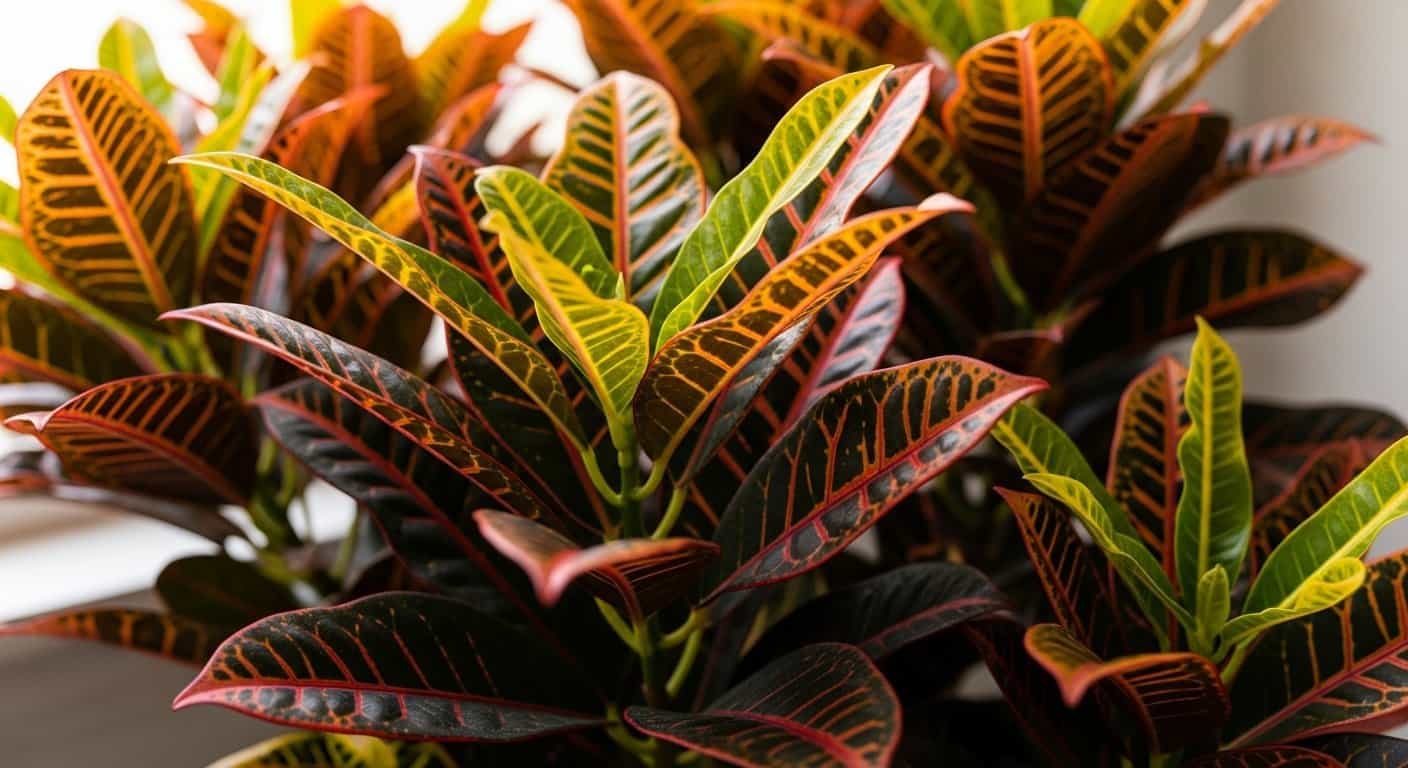
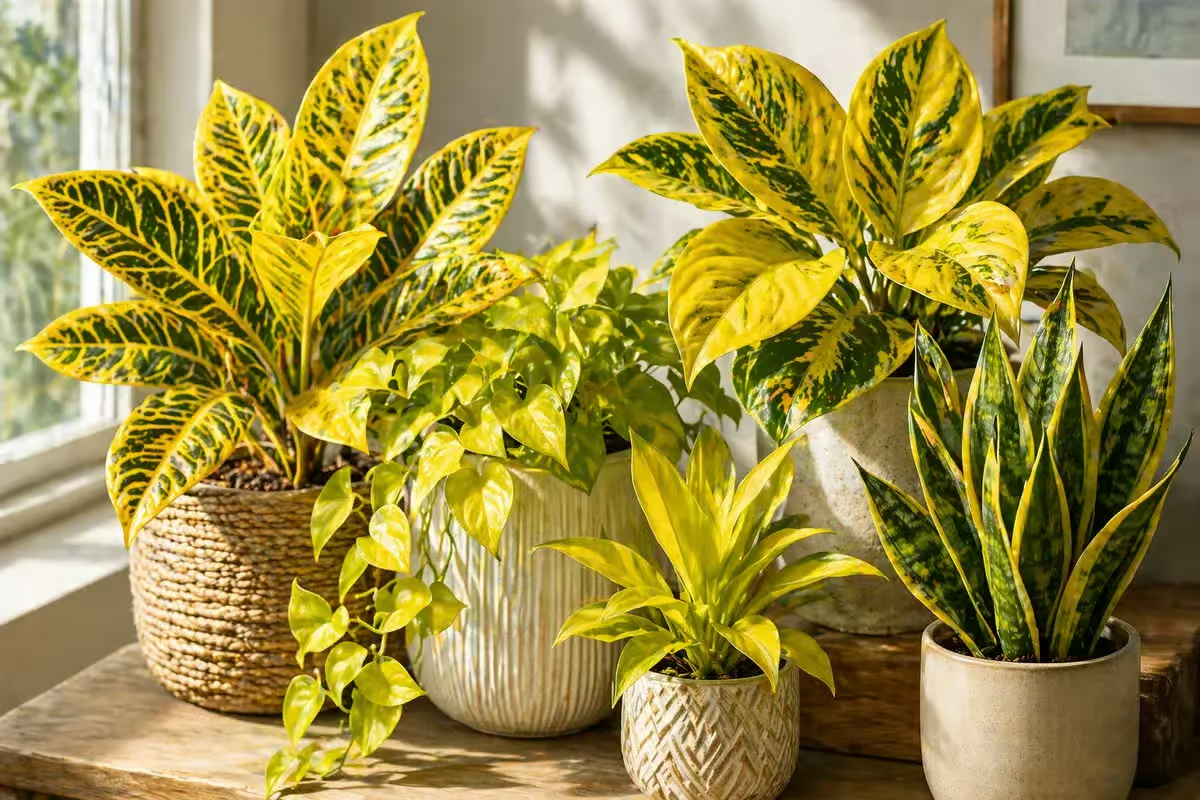
Yellow and golden houseplants
Distinguish healthy golden variegation from problem yellowing and keep color bright.
See the color guide → Why are the leaves not splitting?
Learn how maturity, usable light, roots, leaf size, and climbing support affect fenestration.
Fix the growth conditions → Grow fuller, healthier Pothos vines
Match light, watering, drainage, pruning, and propagation to the plant in front of you.
Open the Pothos guide →Plant problem decoder
Turn symptoms into calmer next steps.
PlantasticHaven helps you read the visible clue, check the room and root zone, and choose the least disruptive correction first.
Browse diagnosis guidesPlantasticHaven ProCare
Turn the care method into a smarter routine.
Track plants by room, organize light and watering observations, record symptoms, and keep a care history without reducing plant care to a rigid calendar.
Your plants look calm today.
Why trust the guidance
Useful care advice without fake certainty.
PlantasticHaven is founder-led by Alexios Papaioannou and built around practical indoor conditions. Guidance explains limitations, avoids fabricated precision, and routes readers toward decisions they can actually use.
Real-home fit
Advice accounts for ordinary light, room size, pets, humidity, and beginner skill.
Risk before hype
Overwatering, roots, pests, toxicity, and maintenance burden are made visible.
Clear limitations
No guaranteed recovery rates, fabricated expert reviews, or fake precision.
Useful next actions
Readers can act without buying unnecessary products or changing five variables at once.
Quick clarity
Straight answers to common houseplant questions.
Concise answers support readers, voice search, and AI extraction—while the linked guides provide the nuance.
How often should I water indoor plants?
Check the soil and pot before watering instead of using a fixed calendar. Light, pot size, soil, season, humidity, and plant type all change how quickly the root zone dries. Use the complete watering guide for a dryness-first method.
What does bright indirect light mean?
Bright indirect light is strong ambient daylight without harsh sun hitting the leaves for long periods. It is often found near an east window or a short distance from a bright south- or west-facing window. See the houseplant lighting guide.
Why are my houseplant leaves turning yellow?
Yellow leaves can result from watering stress, poor drainage, weak light, sudden environmental change, root problems, pests, or natural leaf aging. Check recent changes and soil moisture before acting, then use the yellow foliage and yellowing guide to separate healthy golden coloration from stress symptoms.
What are good houseplants for beginners?
Pothos, snake plant, ZZ plant, spider plant, heartleaf philodendron, peperomia, and cast iron plant are common beginner choices when they match the room’s light and the owner’s watering habits. Compare them in the beginner houseplant guide.
Which plants work in lower light?
ZZ plant, snake plant, cast iron plant, pothos, and heartleaf philodendron tolerate lower indoor light, but none thrive in complete darkness. Lower light also means slower growth and slower soil drying. See the low-light houseplant guide.
Are common houseplants safe for pets?
Not always. Correct identification matters, and even plants listed as non-toxic should not be treated as edible. Spider plant, parlor palm, peperomia, prayer plant, Boston fern, and African violet are common safer options; verify every plant and use the pet-friendly houseplant guide.
Give every plant a better room, rhythm, and chance.
Start with the problem in front of you. PlantasticHaven routes you from observation to the clearest next care decision.