If your plant is stretching, yellowing, refusing to grow, or dropping leaves one by one, light is usually the first thing to fix. This houseplant lighting guide is built to help you read the light in your home, match plants to the right spot, and make the kind of small changes that lead to noticeably healthier growth.
Amazon affiliate disclosure: PlantasticHaven may earn from qualifying purchases through Amazon links. These picks are matched to this specific guide because: lighting article with direct product need.
Relevant Amazon picks for Houseplant Lighting Guide: Best Light for Healthy Indoor Plants
Start with the plant problem first, then choose only the supply that solves it. Skip any product that does not match your light, pot size, watering pattern, or plant condition.
Full-spectrum LED grow light
Adds usable light when windows are too dim or seasonal light drops.
Shop on AmazonInstead of relying on vague labels like “bright indirect light” without context, this guide shows you what those terms actually mean in a real room. You will learn how window direction, distance from the glass, seasonal changes, and grow lights affect common houseplants such as philodendrons, monsteras, and pothos.
Quick answer: what light do most houseplants need?
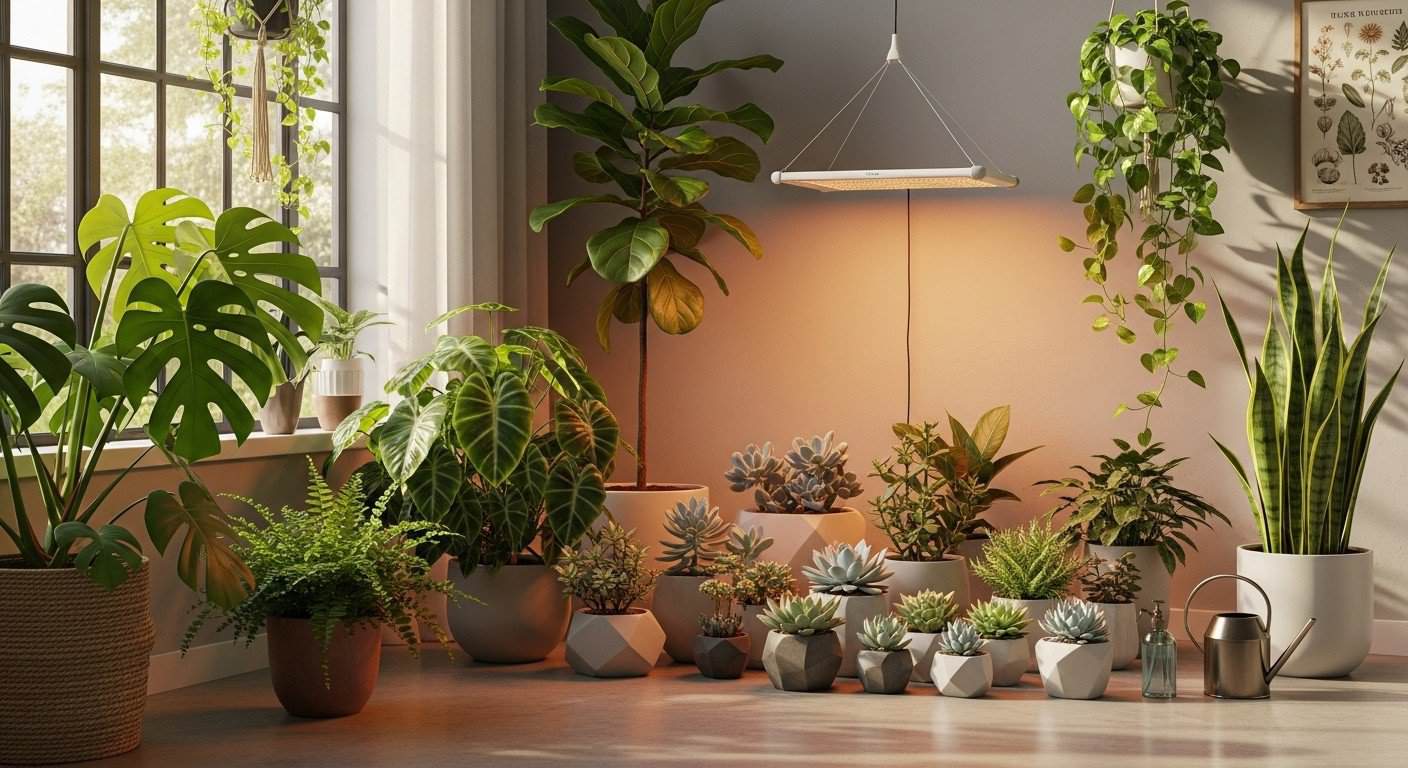
Most common indoor houseplants do best in bright indirect light. That means they get strong ambient light without sitting in harsh direct sun for long periods. It is the safest starting point for many tropical foliage plants because it supports growth without causing scorch.
- Bright indirect light: ideal for many philodendrons, pothos, monsteras, and other tropical houseplants.
- Low light: plants may survive, but they often grow more slowly and become leggy over time.
- Direct sun: helpful for some plants, but risky for softer leaves that burn easily.
- Grow lights: often the easiest solution when natural light is weak or inconsistent.
How to tell what kind of light a room really has
Indoor plant lighting comes down to three things: intensity, duration, and distance from the source. A plant on the windowsill, one a few feet back, and one across the room are living in very different conditions even when they seem to be in the same sunny space.
1. Start with window direction
- South-facing windows usually provide the strongest natural light.
- East-facing windows often give gentler morning light that many foliage plants love.
- West-facing windows can be bright but much hotter in the afternoon.
- North-facing windows usually provide softer, lower-intensity light.
2. Look at the shadow
A sharp, strong shadow usually means brighter light. A soft, faint shadow usually means indirect or lower light. This is one of the simplest ways to judge whether a spot is actually bright enough for a plant that needs active growth.
3. Respect distance from the window
Light weakens quickly indoors. A plant sitting right beside the glass can get dramatically more usable light than one placed six feet away. That is why people often think a plant is in bright indirect light when it is really struggling in a dim corner.
What bright indirect light actually looks like
Bright indirect light is one of the most misunderstood plant-care terms, so it helps to picture it in real life.
- Near a bright window, but not pressed against hot glass all day
- In a room that feels clearly lit for much of the day without relying on lamps
- Close enough to the light source that the plant still grows compactly and steadily
- Protected from harsh midday rays if the species is sensitive to leaf scorch
If your plant is technically near a window but still stretching, losing color, or producing tiny new leaves, the spot may not be as bright as it looks.
Signs your houseplant is not getting enough light
- Long, weak, stretched growth
- Wide gaps between leaves or nodes
- Smaller new leaves
- Paler color or faded variegation
- Leaning hard toward the window
- Soil staying wet too long because growth has slowed
If a climbing plant is leaning and producing weak stems, light and structural support often need to be corrected together. For philodendrons, better placement works best when paired with a proper support system like the one in this philodendron staking guide.
Signs your plant is getting too much light
- Bleached or faded leaf patches
- Brown or crispy scorch marks
- Dry, curling leaves even when watering seems adequate
- Fast soil drying combined with visible stress
- Sudden damage after moving the plant into stronger sun
When a plant is getting too much light, the fix is usually simple: move it slightly farther from the window, filter the light with a sheer curtain, or shift it to bright indirect conditions instead of full direct exposure.
Best light levels for common houseplant types
Philodendrons
Most philodendrons prefer bright indirect light. Too little light leads to leggy growth and longer gaps between leaves, while too much direct sun can fade or scorch softer foliage. If you are also correcting growth or root stress, pair better lighting with the right philodendron soil mix so the plant can recover more smoothly.
Monsteras
Monsteras usually want bright indirect light with room to spread. Stronger light often improves leaf size and fenestration over time. For a more complete baseline, see this Monstera care guide.
Pothos
Pothos can tolerate lower light than many tropical plants, but they still grow fuller and faster in brighter conditions. If your pothos looks sparse or stalled, lighting is often the real problem. Here is a practical pothos care guide if you want to optimize the whole setup.
Low-light tolerant plants
Some plants genuinely handle darker rooms better than others. If your room simply does not get enough natural light, it is smarter to choose a species that tolerates it well than to force a bright-light plant to struggle. This list of low-light houseplants is a better match for dimmer spaces.
Natural light vs grow lights
Natural light is excellent when it is strong and consistent, but many indoor spaces fall short, especially in winter or in rooms with weak window exposure. A decent grow light can close that gap fast.
- Use a grow light when your room stays dim most of the day.
- Keep the light close enough to matter, based on the product guidance.
- Use it consistently instead of turning it on randomly.
- Watch the plant for tighter growth and better color as signs the setup is working.
How to improve plant lighting without causing shock
- Move the plant gradually instead of taking it from deep shade straight into strong sun.
- Rotate the pot if one side keeps reaching toward the light.
- Adjust watering after a lighting change because brighter conditions usually increase growth and water use.
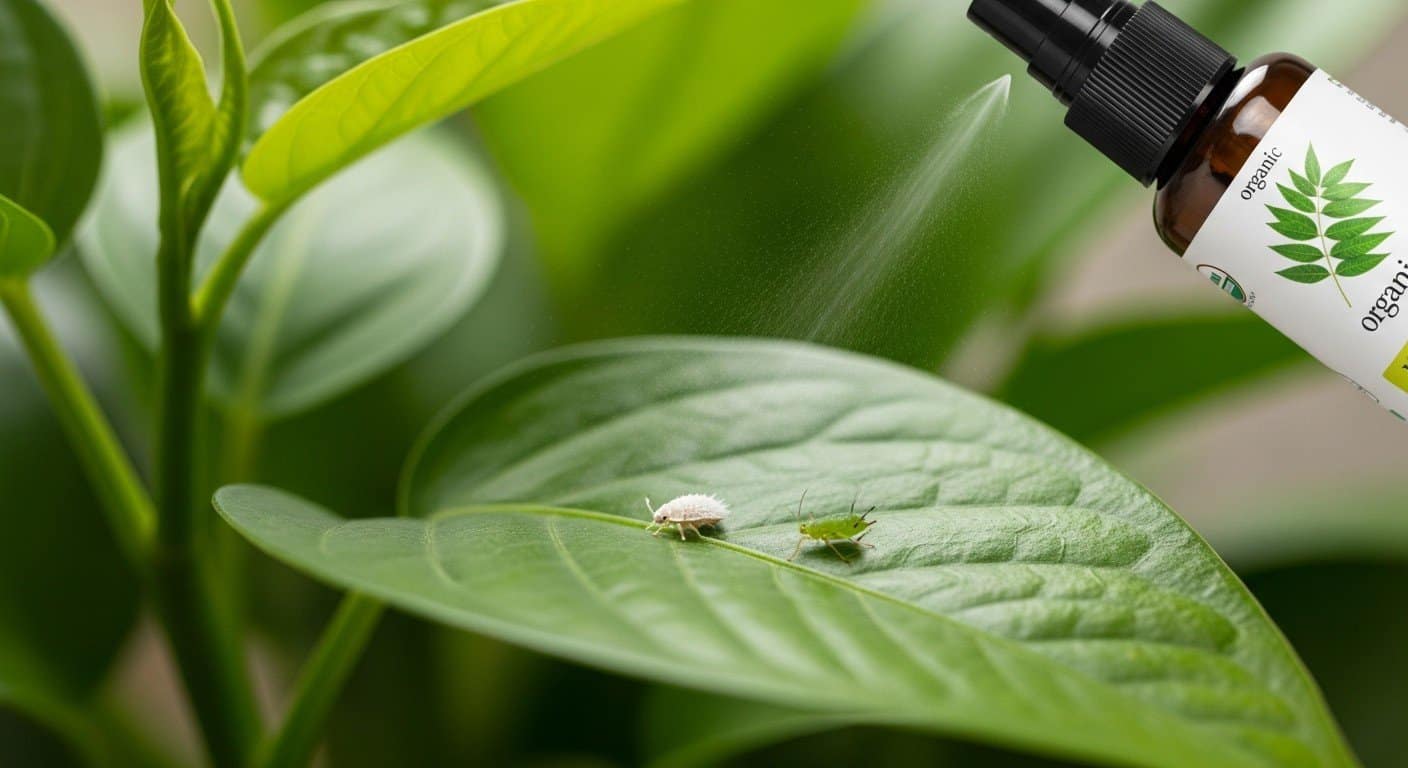
- Check for secondary issues if the plant still declines. This organic pest control guide can help rule out pest pressure.
Common houseplant lighting mistakes
- Calling a dark corner “bright indirect light” because the room feels bright to you
- Placing a bright-light plant too far from the window
- Assuming low-light tolerance means a plant will thrive there
- Ignoring winter light loss and seasonal changes
- Moving a plant too quickly into stronger sun
- Overwatering after a light problem slows growth
Quick lighting cheat sheet
- Leggy plant + pale leaves: usually needs more light
- Crispy scorch marks: usually needs less direct sun
- Slow growth in winter: may need a brighter spot or grow light
- Soil staying wet too long: growth may be slowed by low light
- Leaning toward the window: rotate and move closer to stronger light
FAQ about houseplant lighting
What is bright indirect light for houseplants?
Bright indirect light means a plant gets strong ambient light without being blasted by harsh direct sun for long periods. A spot near a bright window, but not scorched against the glass all day, is the usual example.
Can houseplants survive in low light?
Yes, some can survive in low light, but many grow slowly and become sparse or leggy over time. Surviving and thriving are not the same thing.
How far should a houseplant be from a window?
That depends on the window direction and the plant type, but even a few feet can make a major difference. Bright-light plants generally need to stay much closer to the source.
Do grow lights really work for indoor plants?
Yes. Grow lights are one of the most practical ways to improve indoor light, especially in darker rooms or during seasons with weak natural light.
Why is my plant yellowing even though I water it correctly?
Yellowing can still be a light issue. A plant in low light may stay wet too long, grow weakly, and show stress even if your watering routine seems reasonable.
Final takeaway
The best houseplant lighting setup is the one that matches the plant, the room, and the season, not just the label on a care tag. If you learn to recognize bright indirect light, low-light stress, and direct-sun damage, you will solve one of the most common indoor plant-care problems far faster.
This page also works as a stronger Plantastic Haven hub now. After fixing light, the smartest next step is to improve support, watering, and plant-specific care together instead of guessing at one symptom in isolation.