
🌿 Philodendron Squamiferum Care: Light, Water, Soil, Climbing, and Common Problems
Amazon affiliate disclosure: PlantasticHaven may earn from qualifying purchases through Amazon links. These picks are matched to this specific guide because: aroid/plant-specific care article with relevant support, soil, and light products.
Relevant Amazon picks for Philodendron Squamiferum Care: Expert Tips for Success
Start with the plant problem first, then choose only the supply that solves it. Skip any product that does not match your light, pot size, watering pattern, or plant condition.
Chunky aroid potting mix
Aroid roots usually prefer an airy mix rather than dense all-purpose soil.
Moss pole or plant support
Climbing/vining aroids often size up better with vertical support.
Soil moisture meter
Helps avoid overwatering while the plant adapts to your room and pot.
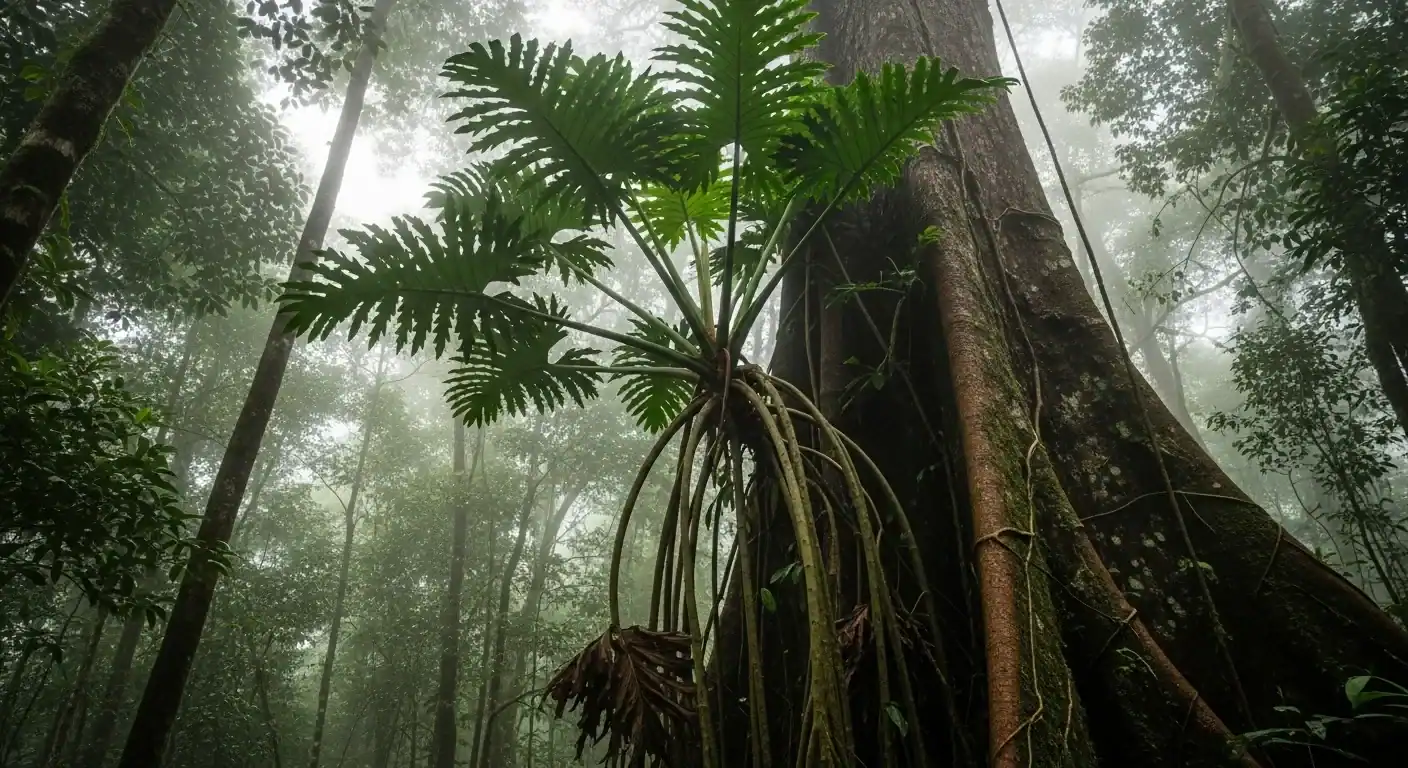
If you want Philodendron squamiferum to keep its hairy red petioles, climb well, and grow without rotting, this is the clean, practical care guide to use.
⚡ TL;DR — Squamiferum Care in 45 Seconds
- Light: Bright indirect light keeps growth stronger and more compact.
- Water: Water when the upper layer of mix dries, then let excess drain.
- Soil: Use an airy chunky aroid mix, not dense wet soil.
- Humidity: Moderate to higher humidity helps, but root health matters even more.
- Support: This plant wants to climb. Give it a pole, plank, or trellis.
- Main mistake: Overwatering in heavy mix.
- Standout feature: Fuzzy red petioles and deeply lobed leaves.
What Is Philodendron Squamiferum?
Philodendron squamiferum is a tropical climbing philodendron known for one feature that makes it instantly recognizable: red fuzzy petioles that look almost hairy. Combined with deeply lobed leaves, that gives it a wilder, collector-style look than many standard philodendrons.
The care strategy is straightforward. Give it enough light, enough oxygen around the roots, and something to climb. Get those three right and the rest becomes much easier.
☀️ Light Requirements
Philodendron squamiferum performs best in bright indirect light. It can tolerate medium light, but growth usually becomes slower, looser, and less impressive.
| Light level | Expected result | Verdict |
|---|---|---|
| Low light | Longer spacing, slower growth, smaller leaves | ❌ Not ideal |
| Medium light | Acceptable survival, less dramatic growth | ⚠️ Only okay |
| Bright indirect light | Best leaf shape, stronger stems, better climbing growth | ✅ Best target |
| Harsh direct sun | Scorch and stress | ❌ Avoid |
If you are unsure whether your room is bright enough, use this indoor plant lighting guide.
💧 Watering
The rule here is simple: let the top part of the mix dry, then water thoroughly. Do not keep the root zone constantly wet.
1 Check the top inch or two of the mix.
2 If that section feels dry, water until excess drains.
3 Empty any standing water so the roots are not sitting in it.
This plant is much more forgiving of slight dryness than soggy roots.
Overwatering warning signs
- yellowing leaves
- soft stem tissue
- soil staying wet too long
- fungus gnats
- stalled growth with a tired look
🪴 Best Soil Mix
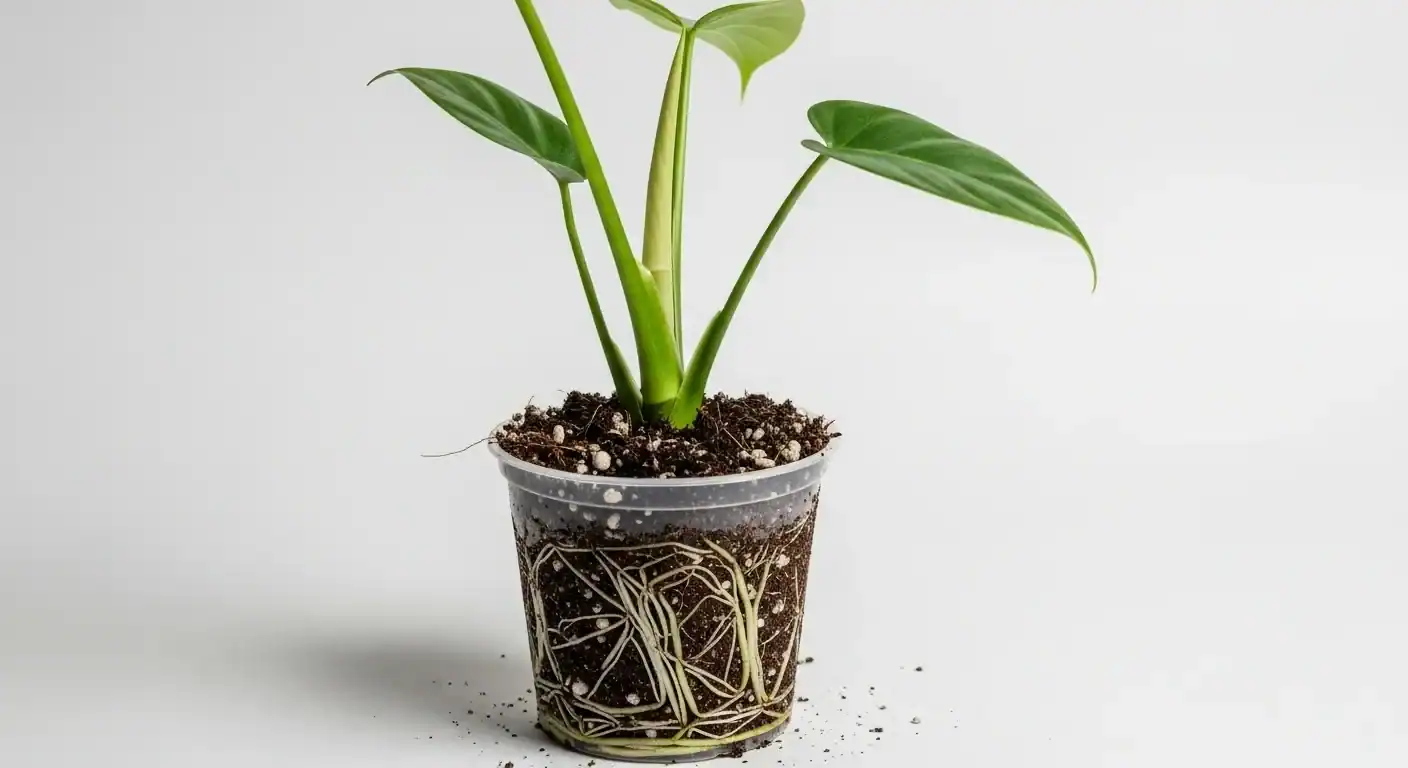
Philodendron squamiferum wants the same general root environment that other climbing aroids want: airy, fast-draining, and not compacted.
- 40% indoor potting mix or coco-based base
- 25% bark
- 25% perlite or pumice
- 10% optional chunky amendment
That mix holds enough moisture without collapsing into a swamp. If you are repotting, follow this repotting guide.
🧗 Why Support Matters
Squamiferum is a climbing philodendron. If you let it sprawl with no support, you usually get a messier plant. If you let it climb, you usually get a better one.
- cleaner growth habit
- better structure indoors
- more natural leaf presentation
- easier long-term management
A moss pole, coco pole, plank, or trellis can all work. The exact tool matters less than giving the plant a vertical path.
🌡️ Humidity and Temperature
Squamiferum appreciates tropical conditions, but it does not need perfection.
- Temperature: 65 to 85°F is a comfortable range
- Humidity: average indoor levels can work, but moderate to higher humidity helps leaf quality
- Avoid: cold drafts and dry HVAC blasts
Do not obsess over misting. Stable environment beats gimmicks.
✂️ Propagation
Like other philodendrons, squamiferum propagates from stem cuttings with nodes.
1 Select a healthy vine section with at least one node.
2 Cut below the node.
3 Root the cutting in water, sphagnum moss, or another clean medium.
4 Pot it up after solid root development.
If you want a cleaner setup, use this propagation station guide.
🐛 Common Problems
| Problem | Likely cause | Best next move |
|---|---|---|
| Yellow leaves | Usually overwatering | Check root zone and drying speed |
| Small leaves | Weak light or no support | Increase light and train upward |
| Leggy growth | Insufficient light | Move brighter |
| Brown patches | Sun scorch or stress | Protect from harsh direct sun |
| Pests | Stress plus poor inspection routine | Use this philodendron pest guide |
🎥 Watch: Philodendron Squamiferum Care Walkthrough
This video is useful because it covers the real care foundations: light, watering, soil, humidity, support, and root rot avoidance.
❓ FAQ
Is Philodendron squamiferum hard to care for?
Not really. It becomes much easier when you avoid heavy wet soil and give it enough light and support.
Does squamiferum need a moss pole?
It does not absolutely need one, but support usually improves structure and growth quality.
Why are my leaves small?
The usual reasons are weak light, immature growth, or no climbing support.
Is Philodendron squamiferum pet safe?
No. Like other philodendrons, it is toxic if chewed by pets or children.