
🪴 How to Repot a Philodendron: Step-by-Step Without Shock or Root Rot
Amazon affiliate disclosure: PlantasticHaven may earn from qualifying purchases through Amazon links. These picks are matched to this specific guide because: repotting/pot/soil intent with direct shopping need.
Relevant Amazon picks for Repotting Philodendron: Step-by-Step Guide
Start with the plant problem first, then choose only the supply that solves it. Skip any product that does not match your light, pot size, watering pattern, or plant condition.
Chunky houseplant potting mix
A lighter mix helps roots get oxygen and reduces soggy-soil problems.
Nursery pots with drainage holes
Drainage and correct pot size matter more than decorative cachepots.
Perlite or orchid bark amendment
Improves aeration for roots that dislike dense, waterlogged soil.
Repotting mat and small tool set
Keeps indoor repotting cleaner and makes root inspection easier.
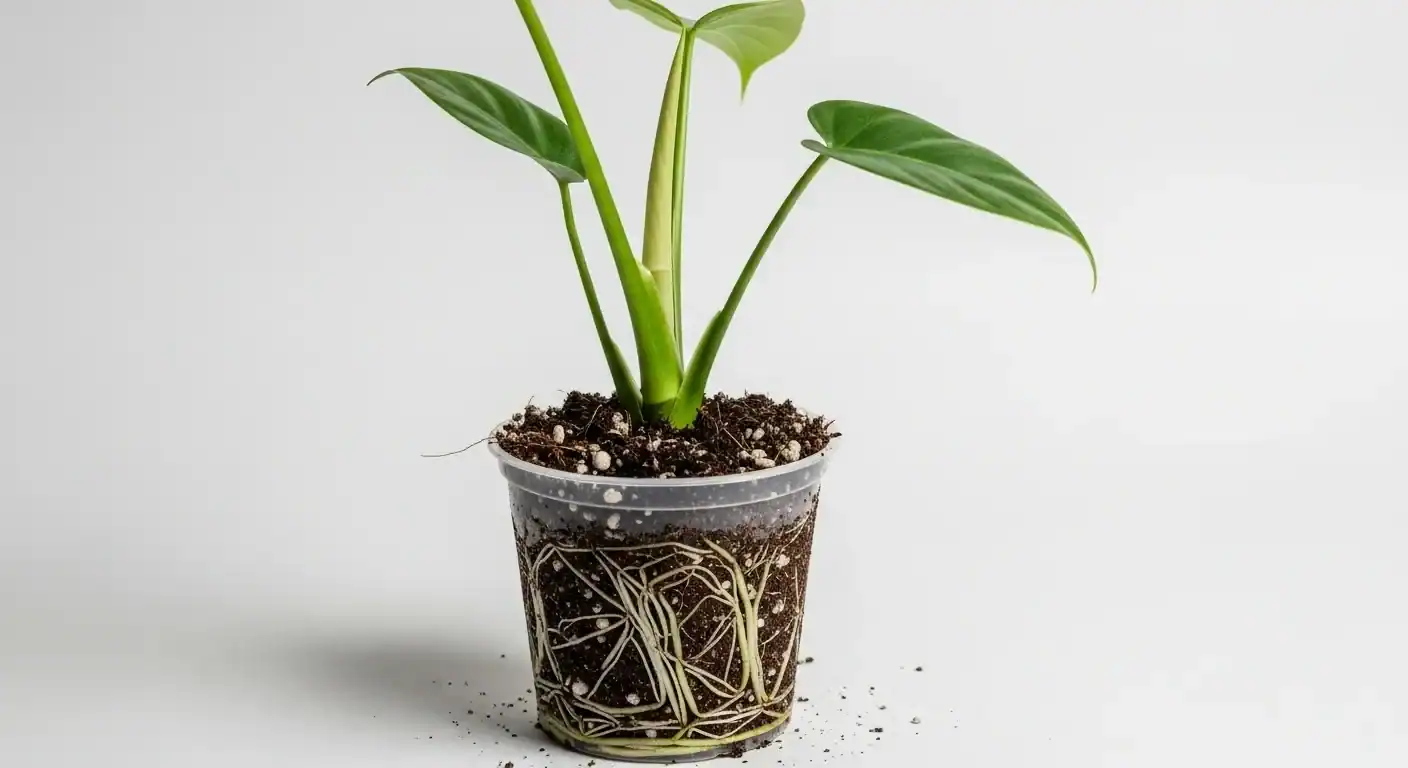
If your philodendron is rootbound, drying too fast, or stalled in dense old soil, this is the clean, practical repotting guide to follow.
⚡ TL;DR — Repotting a Philodendron the Right Way
- Best time: Spring or early summer is easiest.
- Repot when: roots circle the pot, water runs through too fast, or growth stalls.
- Pot size: Go up only 1 to 2 inches wider than the current pot.
- Soil: Use a chunky aroid mix, not dense moisture-retentive soil.
- Aftercare: Bright indirect light, no heavy feeding, and no constant soaking.
- Biggest mistake: Oversizing the pot and keeping the new mix too wet.
When Does a Philodendron Need Repotting?
Most people repot too early, too late, or for the wrong reason. Here is when repotting actually makes sense:
- roots are circling heavily inside the pot
- roots are pushing from drainage holes
- the mix dries out unusually fast
- growth has slowed even in good light
- the old mix has broken down into a dense, compact mass
- you are seeing root-health issues and need to inspect the plant
What You Need Before You Start
- a pot with drainage holes
- fresh aroid mix or a chunky well-draining houseplant blend
- clean pruning shears or scissors
- a tray or work surface for cleanup
- optional support pole if the plant is a climber
If you are repotting a climbing philodendron, this is a good time to add support instead of disturbing the root zone again later.
🪴 Best Pot Size for Repotting
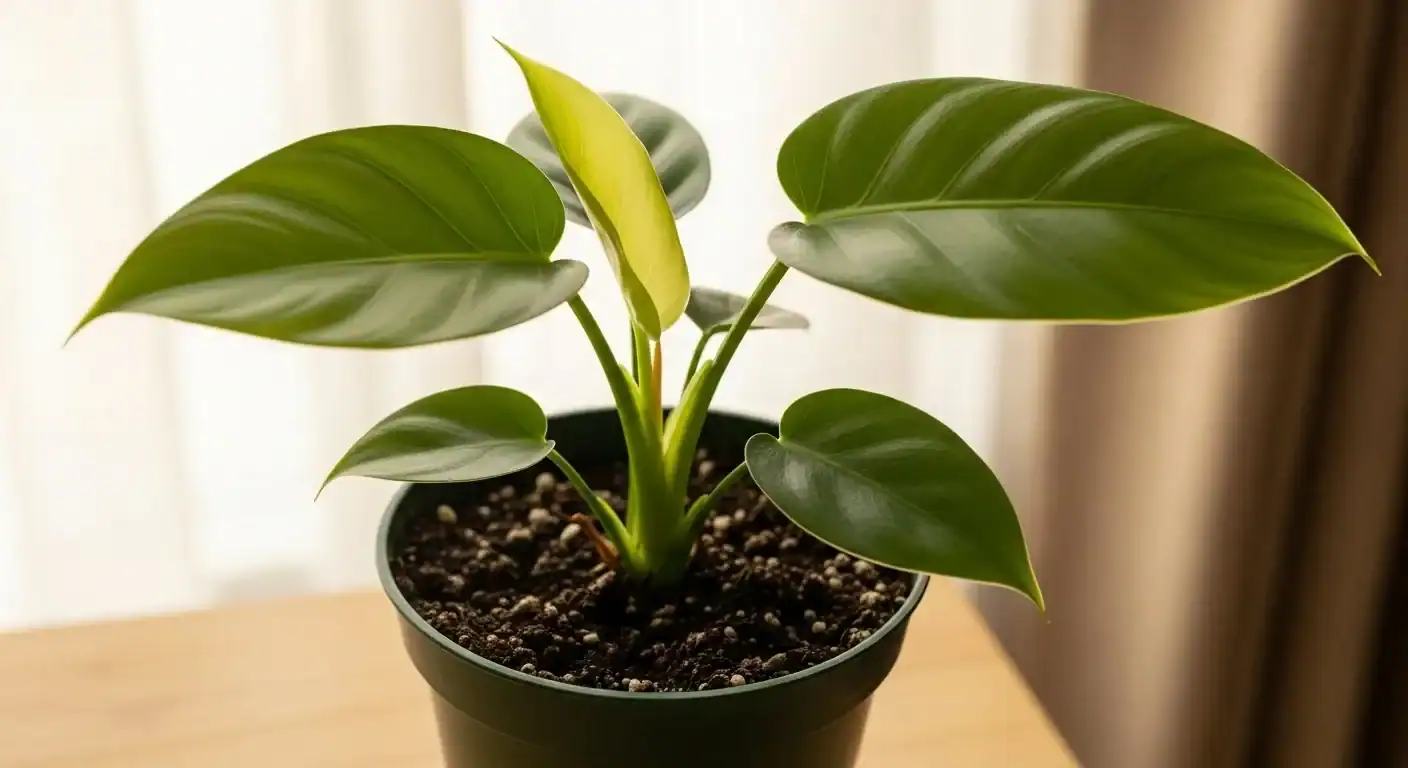
The safest move is boring and effective: go up only 1 to 2 inches in pot diameter.
| Current problem | Best move | Why |
|---|---|---|
| Rootbound but healthy plant | Size up slightly | Avoids excess wet soil around the roots |
| Root rot or bad mix | Same size or only slightly bigger | Focus on root health, not size |
| Very large healthy climber | Moderate size increase with support | Gives room without creating a swamp |
🌱 Best Soil Mix for Philodendrons
Philodendrons do best in an airy philodendron soil mix that balances moisture retention with oxygen around the roots.
- 40% potting mix or coco-based base
- 25% bark
- 25% perlite or pumice
- 10% optional chunky amendment such as charcoal or coco chips
This kind of aroid mix drains well but still gives the roots enough contact with moisture. Avoid heavy garden soil or anything marketed mainly for “moisture retention.”
Step-by-Step: How to Repot a Philodendron
1 Water lightly a few hours before repotting if the mix is bone dry. Slightly moist roots are easier to handle than brittle dry ones.
2 Remove the plant gently from the pot while supporting the base.
3 Inspect the roots. Healthy roots are usually firm and light-colored. Dead roots are dark, mushy, or hollow.
4 Trim only dead or clearly rotten roots with clean shears.
5 Add fresh mix to the new pot and position the plant at the same depth as before.
6 Fill around the roots with fresh mix without packing it hard.
7 Water enough to help the mix settle, then let the plant recover in bright indirect light. After that, follow a deep-then-partial-dry watering routine for philodendrons instead of keeping the fresh mix constantly wet.
What to Do if You Find Root Rot
If you unpot the philodendron and find black mushy roots, act fast and stay simple.
1 Remove the old mix completely from the root ball.
2 Trim away all dead roots.
3 Repot into fresh airy mix in a pot with drainage.
4 Reduce watering frequency and focus on light and airflow.
If the damage is severe, consider propagating healthy nodes as insurance. This propagation station guide can help.
Aftercare: What to Do in the First 2 Weeks
- keep the plant in bright indirect light
- avoid strong direct sun while it settles
- do not fertilize immediately
- water only when the upper layer starts drying again
- expect a short adjustment period instead of explosive growth
Repotting success is usually about restraint, not doing more.
🎥 Watch: Philodendron Repotting Walkthrough
This video is worth watching because it shows the actual repotting flow and reinforces the most important beginner rule: do not overpot.
Common Repotting Mistakes
| Mistake | Why it hurts | Better move |
|---|---|---|
| Using a pot far too large | Mix stays wet too long | Size up only slightly |
| Using dense soil | Poor airflow around roots | Use chunky aroid mix |
| Packing the mix hard | Reduces drainage and oxygen | Keep it airy |
| Fertilizing immediately | Can stress fresh roots | Wait until recovery starts |
| Watering too often after repotting | Increases rot risk | Let the plant settle between waterings |
❓ FAQ
Should I loosen philodendron roots when repotting?
Yes, gently if they are tightly circling. Do not rip aggressively. The goal is to help them grow outward into the new mix.
Can I repot in winter?
You can if there is a real issue like root rot or severe rootbinding, but spring and early summer are usually easier.
How soon should I water after repotting?
Usually once right after repotting is enough to settle the mix, unless the plant or situation calls for a different approach. After that, let the top layer start drying before watering again.
Do philodendrons like to be rootbound?
They can tolerate being slightly snug, but they do not benefit from staying severely rootbound for too long.