
Philodendrons are much easier to water well once you stop asking, “How often should I water this plant?” and start asking, “How fast is this mix drying in my home right now?” That shift matters because watering mistakes usually come from rigid schedules, not from caring too little.
Amazon affiliate disclosure: PlantasticHaven may earn from qualifying purchases through Amazon links. These picks are matched to this specific guide because: aroid/plant-specific care article with relevant support, soil, and light products.
Relevant Amazon picks for How Often to Water Philodendrons: Smarter Watering Guide for Healthy Growth
Start with the plant problem first, then choose only the supply that solves it. Skip any product that does not match your light, pot size, watering pattern, or plant condition.
Chunky aroid potting mix
Aroid roots usually prefer an airy mix rather than dense all-purpose soil.
Shop on AmazonMoss pole or plant support
Climbing/vining aroids often size up better with vertical support.
Shop on AmazonSoil moisture meter
Helps avoid overwatering while the plant adapts to your room and pot.
Shop on AmazonIf you water too soon, roots stay wet, oxygen drops, and the plant starts sliding toward rot. If you wait too long, the pot goes bone-dry, leaves droop, and growth stalls. The sweet spot is simple: water thoroughly, then wait until the top layer of soil has dried before watering again.
Quick Answer
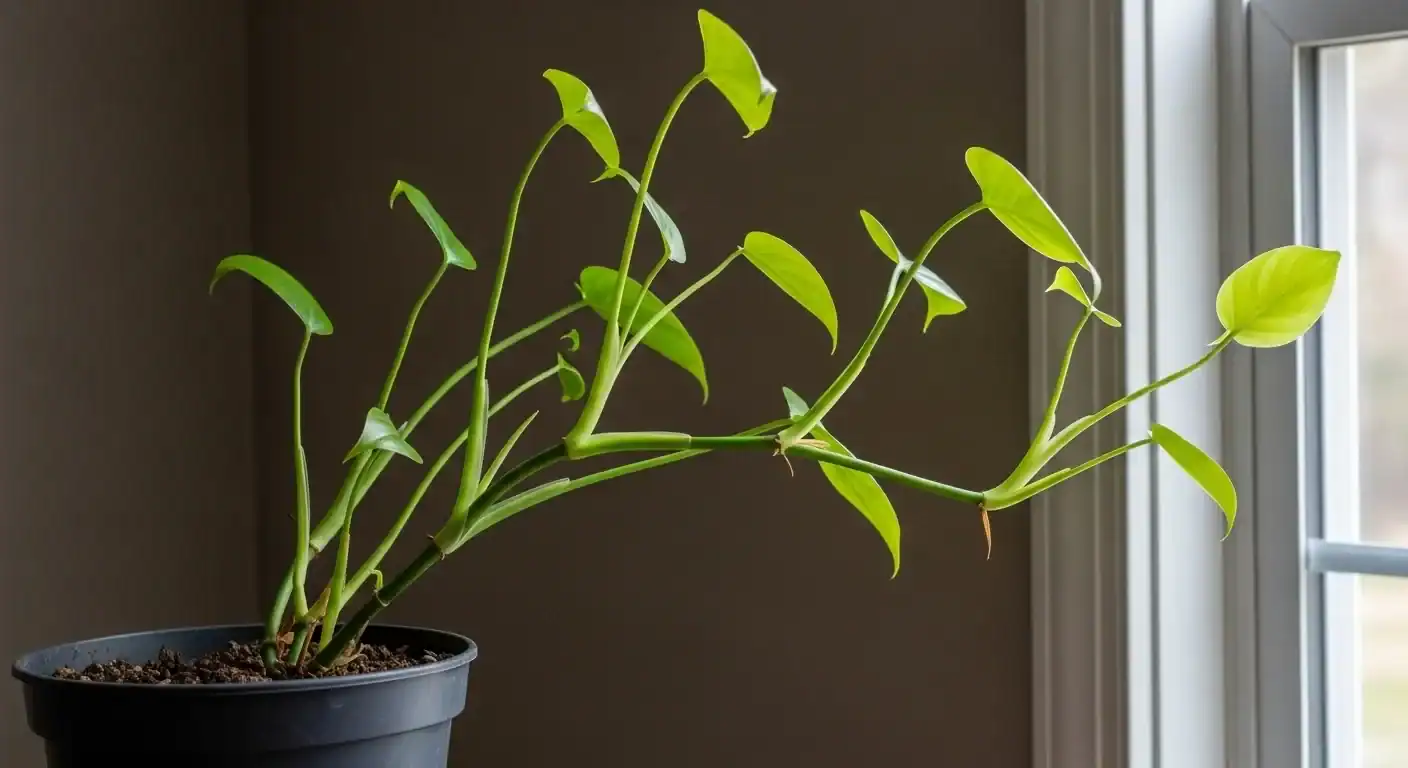
Most philodendrons want to be watered deeply, then allowed to partially dry before the next watering. In most homes, that means checking the top 1–2 inches of soil, adjusting for season and light, and avoiding constantly wet potting mix.
Key Takeaways
- Water philodendrons based on soil dryness, not the calendar.
- Most varieties do best when the top 1–2 inches of soil dries before watering again.
- Bright light, warm rooms, and airy soil increase watering frequency.
- Low light, winter temperatures, and dense mixes slow drying dramatically.
- Overwatering causes more philodendron deaths indoors than underwatering.
How Often Should You Water a Philodendron?
There is no single perfect schedule, because pot size, humidity, soil mix, root mass, and light levels all change how quickly the pot dries. A small philodendron in chunky mix near bright light may need water every 5–7 days, while a larger plant in winter may only need water every 10–14 days.
The better rule is this: check first, water second. If you need help dialing in exposure and growth speed, this philodendron light requirements explained for indoor growers will help you understand why one plant dries much faster than another.
This video is worth watching if you want a practical visual walkthrough of philodendron care cues, especially for beginner-friendly varieties.
Best Way to Check Soil Moisture Before Watering
- Finger test: If the top 1–2 inches feels dry, it is usually time to water.
- Lift test: A dry pot feels noticeably lighter than a freshly watered one.
- Wooden skewer test: Insert a skewer and pull it out; if it comes out damp and dirty, wait longer.
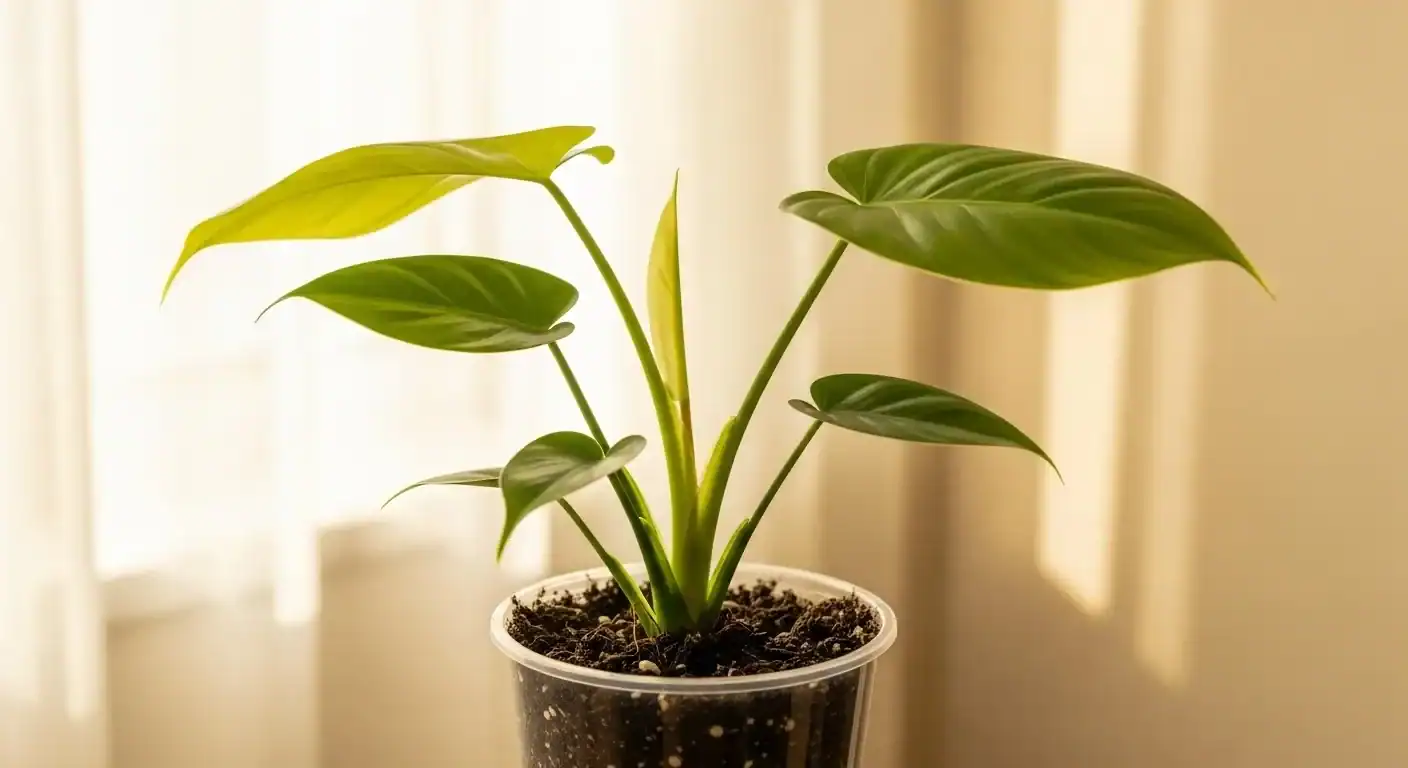
- Clear nursery pot check: Root visibility makes it much easier to judge moisture accurately.
What Proper Watering Looks Like
- Water slowly and evenly around the pot.
- Let excess water drain fully from the bottom.
- Never leave the pot sitting in stagnant water.
- Wait until the mix partially dries again before the next watering.
If your plant is in a dense mix, fix the soil—not just the watering schedule. A better philodendron soil mix for healthy roots will make your watering routine dramatically easier.
Signs You’re Overwatering a Philodendron
- yellowing lower leaves
- soft or mushy stems
- soil that stays wet for too long
- sour smell from the pot
- slow growth even during active season
If you’re also seeing leaf decline, compare the symptoms with this guide to the best environment for philodendron care indoors so you can rule out low light or temperature stress.
Signs You’re Underwatering a Philodendron
- drooping leaves that perk up quickly after watering
- crispy leaf edges
- dry compacted soil pulling away from the pot
- slower unfurling of new leaves
How Watering Changes by Season
Philodendrons usually need more frequent watering in spring and summer, when light and temperatures support faster growth. In winter, shorter days and cooler rooms slow water use dramatically. If your home also runs dry from heating, the plant may still lose moisture from leaves even while the soil dries more slowly—so always check the mix instead of guessing.
Cold rooms complicate watering, so it helps to understand how cold philodendrons can tolerate before growth slows or damage begins.
Watering by Philodendron Type
- Heartleaf and Brasil types: forgiving and easy, but still dislike soggy roots.
- Velvety crawler types: often want more even moisture and warmer conditions.
- Thicker-leaved cultivars like Philodendron Birkin: can tolerate slightly more drying between waterings.
- Collectors’ species: usually need closer attention to humidity, root health, and airflow.
If you’re still deciding what to grow, this practical guide to popular philodendron types for indoor growers is a good next read.
Common Watering Mistakes to Avoid
- watering on the same day every week no matter what
- using decorative pots with poor drainage
- assuming drooping always means thirst
- watering heavily in low light
- ignoring pests and root health while focusing only on soil moisture
If your plant is already stressed, inspect it for insects too. Many watering problems get confused with infestation, so it helps to review how to identify and treat philodendron pests correctly.
Frequently Asked Questions
Do philodendrons like to dry out completely?
No. Most prefer partial drying, not total drought.
Should I mist my philodendron instead of watering?
No. Misting does not replace root-zone watering and usually has only a temporary humidity effect.
What kind of water is best?
Room-temperature water is safest. If your tap water is extremely hard, filtered water may help reduce salt buildup over time.
Can I use self-watering pots?
Sometimes, but only if your mix is airy and you monitor moisture carefully. Philodendrons do not want constantly saturated media.
Final Thoughts
Philodendron watering gets much easier once you focus on conditions instead of schedules. Check the soil, use a chunky mix, water thoroughly, and let the plant tell you what is happening. That simple approach beats almost every “water once a week” rule online.
If you want a fuller care setup beyond watering alone, pair this guide with our advice on ideal philodendron growing conditions and styling your home with philodendrons.
FAQ
What will I learn?
How Often to Water Philodendrons: Smarter Watering Guide for Healthy Growth