
PlantasticHaven care guide · Updated 2026
Amazon affiliate disclosure: PlantasticHaven may earn from qualifying purchases through Amazon links. These picks are matched to this specific guide because: propagation/transplant care where tools directly affect success.
Relevant Amazon picks for Philodendron Birkin Care: Light, Water, Reversion, Propagation & Problems
Start with the plant problem first, then choose only the supply that solves it. Skip any product that does not match your light, pot size, watering pattern, or plant condition.
Propagation station or cutting jars
Keeps cuttings upright, visible, and easier to monitor while roots form.
Shop on AmazonClean micro-tip pruning snips
Clean cuts reduce stem damage when taking cuttings or removing weak growth.
Shop on AmazonRooting hormone for cuttings
Useful for harder-to-root cuttings; skip it for easy water-rooting plants if not needed.
Shop on AmazonClear nursery pots with drainage
Makes root development and moisture easier to check after transplanting.
Shop on AmazonPhilodendron Birkin Care: Light, Water, Reversion, Propagation & Problems
A clean, entity-focused Philodendron Birkin guide that removes unrelated Pink Princess content and answers the real care intent.
Quick summary
What is Philodendron Birkin?
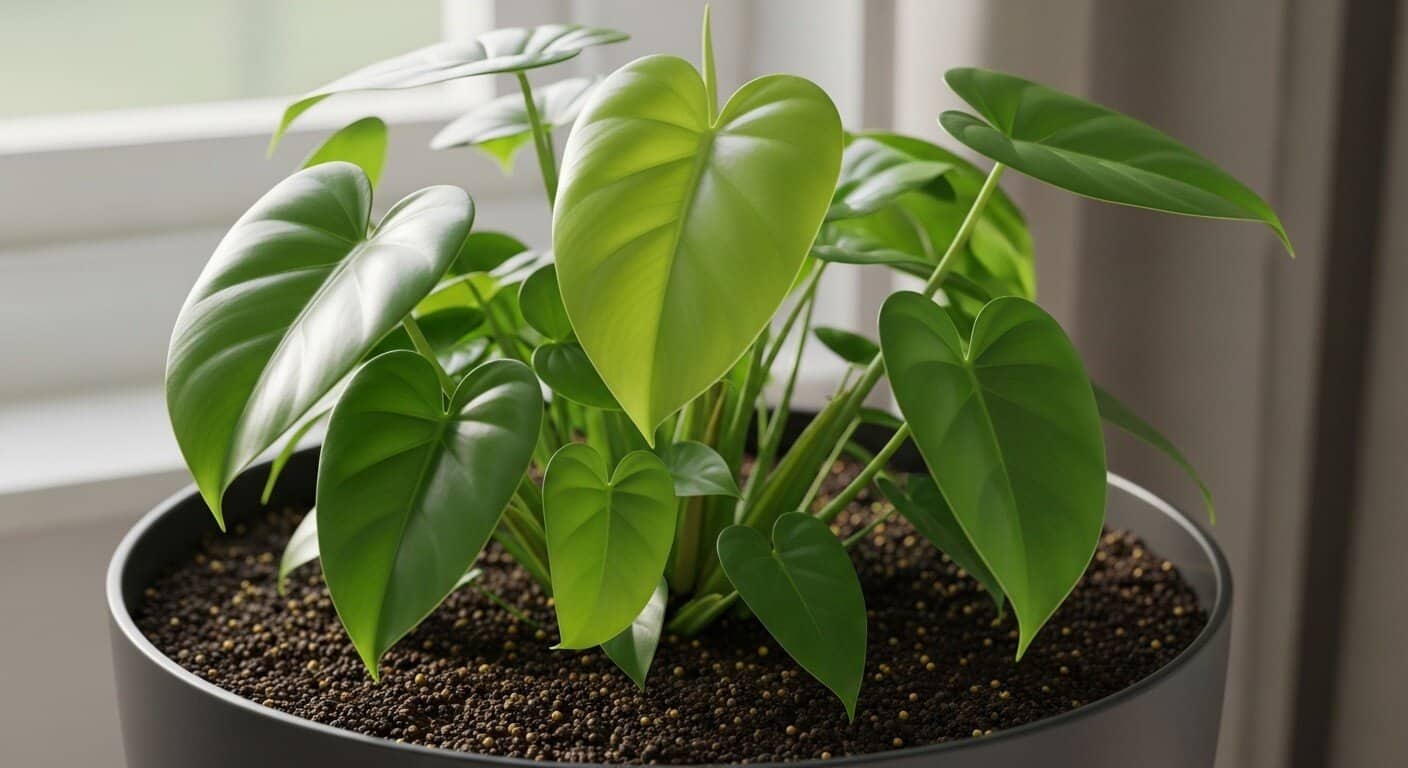
Philodendron Birkin is a compact self-heading Philodendron known for dark green leaves with creamy white pinstripe variegation. New growth can vary, and some plants produce more green, cream, or unstable patterns over time.
| Feature | Philodendron Birkin |
|---|---|
| Growth habit | Compact, upright/self-heading rather than long trailing vine |
| Foliage | Dark green leaves with white to cream pinstripes |
| Main appeal | Elegant variegation and manageable size |
| Main risk | Overwatering, harsh sun, pests, and variegation changes |
| Pet note | Philodendrons are generally not considered pet-safe if chewed |
PlantasticHaven guide
Philodendron Birkin quick care card
| Care factor | Recommendation |
|---|---|
| Light | Bright indirect light; avoid harsh direct sun |
| Water | Water when the top part of the mix dries; never keep soggy |
| Soil | Chunky, airy, well-draining aroid-style mix |
| Humidity | Average to moderate indoor humidity; avoid dry vent blast |
| Temperature | Warm, stable indoor temperatures |
| Fertilizer | Light balanced feeding during active growth |
| Propagation | Stem cuttings with node, when plant is healthy |
| Toxicity | Keep away from chewing pets and children |
PlantasticHaven guide
Birkin variegation and reversion
Birkin foliage can change. Some leaves may come in greener, creamier, or with less defined striping. Light, maturity, and genetics all influence the look.
- Give bright indirect light to support strong patterning.
- Avoid direct hot sun that burns pale tissue.
- Do not fertilize heavily to force variegation.
- Prune fully off-type growth only if the plant is healthy and you understand the risk.
- Expect natural variation between leaves.
PlantasticHaven guide
Common Philodendron Birkin problems
| Problem | Likely cause | What to do |
|---|---|---|
| Yellow leaves | Overwatering, low light, root stress, natural aging | Check soil, drainage, and roots before watering again |
| Brown crispy edges | Dry air, inconsistent watering, salts, vent exposure | Improve consistency and move from drafts |
| Fading variegation | Too little light or natural variation | Move to brighter indirect light |
| Mushy stem/base | Soggy mix or rot | Inspect roots, remove rot, repot if needed |
| Sticky leaves or pests | Scale, aphids, mealybugs, or spider mites | Isolate and treat based on pest ID |
PlantasticHaven guide
How to propagate Philodendron Birkin
Propagate only a healthy plant. Each cutting needs a node; a leaf without a node will not become a new plant.
- Choose a healthy stem section with at least one node.
- Use clean sharp snips.
- Root in water, sphagnum, perlite, or a light aroid mix.
- Keep warm with bright indirect light.
- Pot into airy mix once roots are established.
- Expect variegation to vary on new growth.
Quick answers
FAQ
Does Philodendron Birkin need bright light?
It does best in bright indirect light. Too little light can reduce growth and patterning, while harsh direct sun can scorch leaves.
Why is my Birkin losing white stripes?
Lower light, natural variation, or reversion can reduce striping. Improve bright indirect light and prune only when the plant is healthy.
Is Philodendron Birkin toxic to pets?
Philodendrons are generally not considered safe for chewing pets. Keep Birkin away from cats and dogs.
How often should I water Birkin?
Water when the top part of the potting mix has dried. Frequency depends on light, pot size, season, and soil.
References