
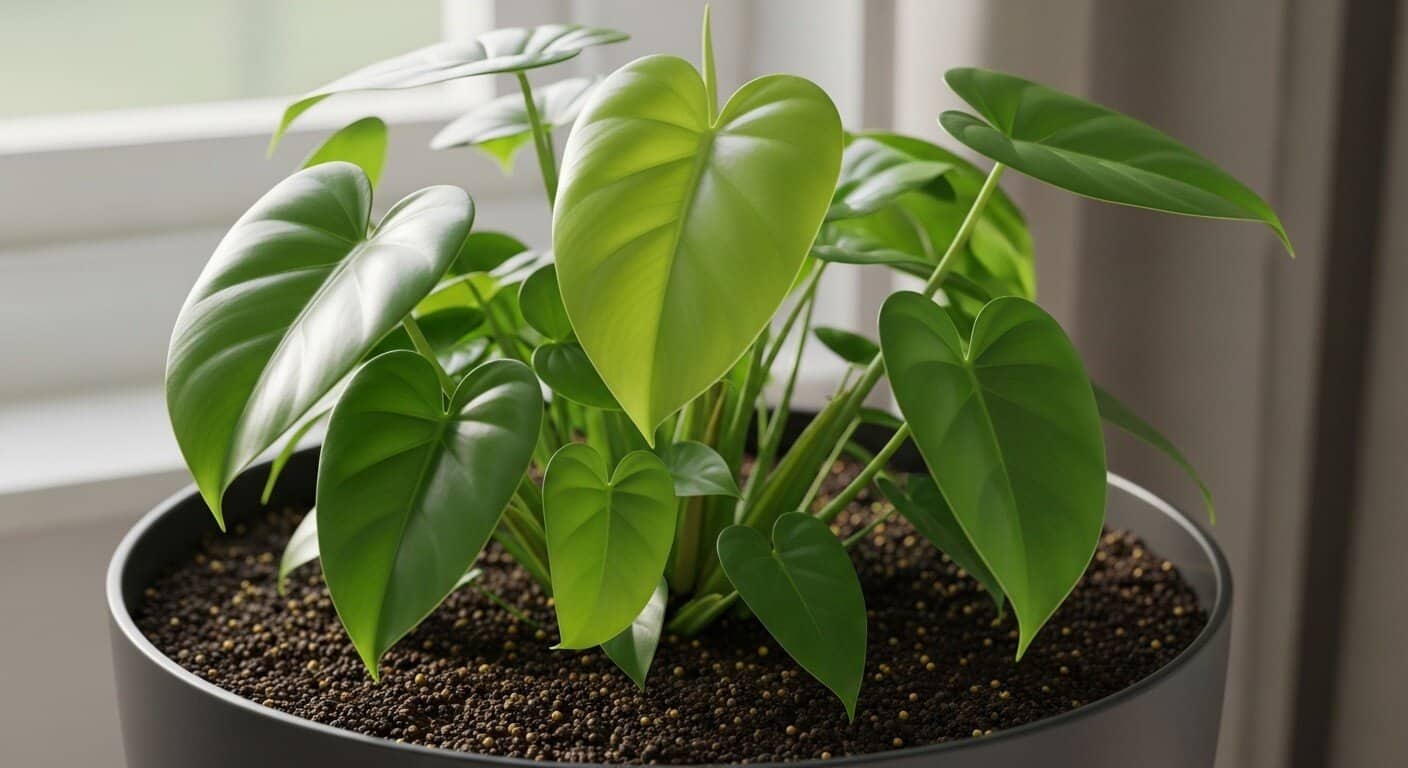
A philodendron dripping water is usually showing guttation, a normal process where droplets form at leaf edges when root pressure pushes moisture out. Occasional morning droplets are not a problem. Frequent dripping, yellow leaves, wet soil, sticky residue, or sour smell suggests overwatering, dense soil, low airflow, pests, or a pot that drains poorly.
Who this is for / not for
Who this is for
- You see clear droplets on philodendron leaves, stems, or the floor in the morning.
- You need to know whether the drops are normal guttation, pest honeydew, or overwatering.
- You want a step-by-step fix that does not overreact and damage the plant.
Who this is not for
- You are diagnosing outdoor crop disease, sap bleeding from a woody plant, or water leaking from a ceiling or pot tray.
- You want to treat pests without first confirming whether the droplets are sticky or clear.
Clear definition
Guttation is the release of liquid droplets from leaf edges or tips when roots take up more water than the plant is losing through transpiration. In philodendrons, it often appears overnight or early in the morning after watering, high humidity, low airflow, or slow dry-down in the pot.
Philodendron dripping water diagnosis table
Touch and timing matter. Clear water-like droplets in the morning are different from sticky pest residue.
| Symptom | Likely cause | What to do |
|---|---|---|
| Clear droplets on leaf tips in the morning | Normal guttation | Wipe leaves and review watering; no emergency. |
| Drops after every watering plus wet soil | Too much water or slow soil | Let dry longer and improve drainage. |
| Sticky droplets, shiny film, or ants | Pest honeydew | Inspect for scale, aphids, mealybugs, or other pests. |
| Yellow leaves and sour soil smell | Root stress or rot risk | Check roots and consider repotting into chunkier mix. |
| Water pooling below pot | Drainage or saucer problem | Empty saucer and confirm drainage holes are open. |
The droplet framework: clear, sticky, frequent, or stressful
Do not treat every droplet as a disease. The right response depends on whether the plant otherwise looks healthy.
Clear: watery drops often mean guttation, especially overnight.
Sticky: sticky residue points toward pests and needs inspection.
Frequent: daily dripping means watering, airflow, or soil may need adjustment.
Stressful: yellowing, odor, mushy stems, or black roots turn the issue into a root-health problem.
Care chart
| Condition | Normal response | Change care when | Best fix |
|---|---|---|---|
| Occasional clear droplets | Wipe and monitor | No yellowing or wet soil | Keep routine but avoid watering too soon. |
| Frequent guttation | Review water timing | Soil stays wet more than expected | Increase light, airflow, or chunkiness. |
| Sticky residue | Inspect pests | Leaves feel tacky or ants appear | Isolate and treat confirmed pest. |
| Wet dense mix | Check drainage | Pot feels heavy for days | Repot into airy philodendron mix. |
| Cold room plus wet pot | High root-stress risk | Room below 60°F or cold sill | Warm plant and reduce watering. |
How to fix a philodendron that keeps dripping water
- Wipe the droplets with a clean damp cloth and note whether they feel watery or sticky.
- Check timing. Morning droplets after a recent watering usually point to guttation.
- Feel the soil two inches down. If it is still wet, delay watering and increase airflow.
- Empty the saucer or cachepot so roots are not sitting in water.
- Move the plant into brighter indirect light if the room is dim and soil dries slowly.
- Inspect leaf undersides, petioles, and stems for pests if residue is sticky.
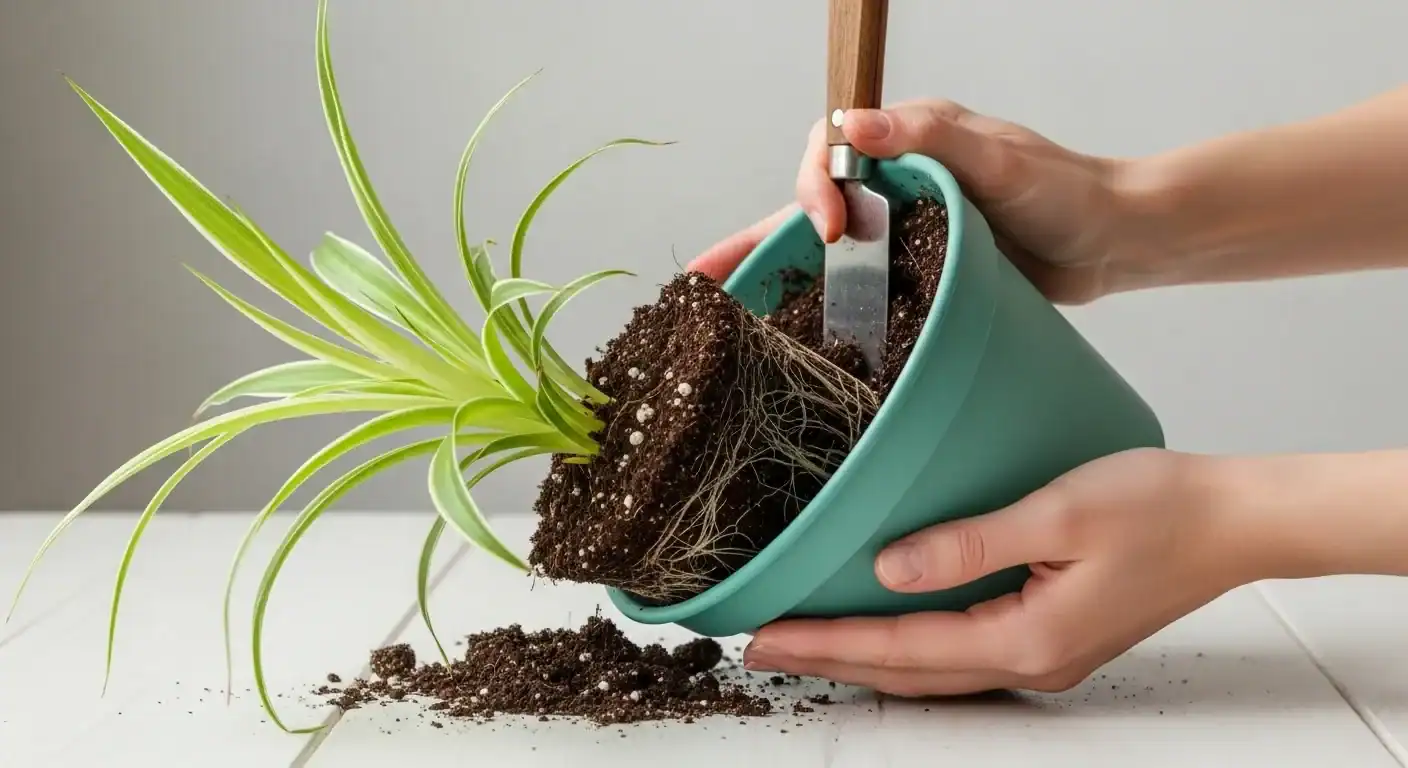
- Check the potting mix. If it is dense, sour, or compacted, repot into a chunky philodendron soil mix.
- Pause fertilizer until the watering rhythm is stable and new growth looks normal.
Examples by situation
- A heartleaf philodendron dripping from leaf tips the morning after watering is usually fine if soil begins drying within a few days.
- A Philodendron Mayoi in a dense plastic pot that drips daily and yellows likely needs a chunkier mix.
- Sticky drops on leaves below small brown bumps suggest scale insects, not normal guttation.
- A plant near a cold window can drip and yellow because cool wet roots are absorbing slowly.
Helpful tools and supplies
Moisture meter for philodendrons
Helps confirm whether the pot is still wet before watering.
View options on AmazonAroid soil ingredients
Useful when dense soil causes repeated dripping and yellowing.
View options on AmazonSticky pest monitoring cards
Helps monitor gnats and pest pressure during diagnosis.
View options on AmazonVideo Care & Identification Guide
To help you visualize key care rules, propagation steps, and identification tips, watch this detailed expert walkthrough video.
Common mistakes and troubleshooting
| Mistake | Why it hurts | Better fix |
|---|---|---|
| Repotting immediately after one droplet | Unnecessary root disturbance can create a bigger problem. | Monitor first if the plant is healthy. |
| Ignoring sticky residue | Pest honeydew can spread to nearby plants. | Inspect and isolate when droplets are sticky. |
| Watering because leaves have droplets | The plant may already have too much water pressure. | Check soil before adding more water. |
| Leaving water in a decorative cachepot | Roots suffocate and rot risk rises. | Empty cachepots after watering. |
Related PlantasticHaven guides
Use these sibling guides to move between identification, care, soil, temperature, and room-light decisions without guessing.
FAQ
Is philodendron guttation bad?
Occasional guttation is normal and not bad by itself. It becomes a warning sign when it happens constantly with wet soil, yellowing, or root stress.
Why is my philodendron crying?
People often call guttation crying. The plant is releasing water droplets through leaf edges because root pressure is high.
Are clear droplets on philodendron leaves poisonous?
Treat all houseplant droplets as something to wipe away, especially around children and pets. Philodendrons contain calcium oxalate and should not be chewed.
How do I tell guttation from pest honeydew?
Guttation is usually watery and appears at leaf tips or edges. Honeydew is sticky, often shiny, and may come with pests, ants, or black sooty mold.
Should I water less if my philodendron drips water?
If dripping is frequent or soil stays wet, yes, water less often and improve light, airflow, drainage, or soil structure.
Sources and editorial note
This guide was reviewed for practical indoor houseplant care accuracy on 2026-06-26. Recommendations prioritize observable plant symptoms, drainage, light, temperature, pet safety, and university or veterinary reference sources over unsupported social-media claims.
Related philodendron guides: How to stake a philodendron · Philodendron cold tolerance · Philodendron soil mix · Philodendron troubleshooting