
PlantasticHaven complete care guide

Who this is for / not for
you are choosing a window, diagnosing leggy growth, deciding whether a grow light is worth it, or trying to understand bright indirect, medium, low, and direct light in a normal home.
you need outdoor full-sun gardening instructions, greenhouse crop lighting calculations, seed-starting schedules, or commercial PPFD/DLI planning for edible crops.
Check the plant label, the pot drainage, the window direction, recent watering, and whether pets or children can reach the leaves. Those small details prevent most bad fixes.
Clear definition
Plant light requirements describe the amount, duration, and type of usable light a plant needs to maintain healthy growth indoors. The practical version is simple: a plant that receives enough light can make new leaves at a normal pace, dry its soil predictably, and hold its shape without stretching toward the nearest window.
A useful plant-care definition should lead to action. In this guide, every recommendation connects the visible symptom or room condition to a practical next step: move the plant, change the watering interval, repot, isolate pests, improve drainage, or choose a better plant for the room.
Decision guide
Use this table before buying supplies or making several changes at once. Most indoor plant problems become easier when you match the symptom to the environment and correct the safest cause first.
| Situation | What it usually means | Best next step | What to avoid |
|---|---|---|---|
| North-facing room or far from a window | Low to medium indirect light | Choose tolerant plants such as snake plant, ZZ plant, pothos, or cast iron plant; water slowly and less often | Do not call a dark corner low light if you cannot comfortably read there during the day |
| East-facing window | Soft morning sun and medium to bright indirect light | Use this as a safe placement for pothos, philodendron, spider plant, peperomia, and many beginner plants | Do not assume every plant needs to sit directly against the glass |
| Filtered south or west window | Bright indirect light with stronger afternoon intensity | Use sheer curtains, plant stands, or distance from the glass for tropical foliage | Do not move shade-grown leaves into direct afternoon sun suddenly |
| Direct sun through glass | High light and heat stress risk | Reserve for acclimated succulents, cacti, jade, herbs, and selected high-light plants | Do not place thin tropical leaves in hot direct sun without acclimation |
| Windowless office or basement | Artificial light is required for long-term growth | Use an LED grow light on a timer and choose tolerant foliage plants | Do not rely on ceiling office lights alone unless plants are directly under strong fixtures |
Practical framework
Think of light as the engine behind the rest of care. More usable light usually means faster water use, stronger growth, and a greater need for consistent moisture. Less light usually means slower growth, slower dry-down, and a higher risk of overwatering. This is why the same plant can thrive on an east windowsill and rot in a dark hallway with the same watering schedule.
Start with the environment before you blame the plant. A houseplant can only respond to the room it is actually living in: light direction, distance from the glass, pot size, soil texture, drainage, temperature, humidity, and how often the plant is disturbed. When you correct the room first, the care routine becomes simpler and the plant gives clearer feedback.
Make only one meaningful change at a time. Moving a plant, repotting it, pruning it, fertilizing it, and changing the watering routine in the same week creates a confusing recovery period. A cleaner method is to choose the most likely cause, correct that cause, and watch the newest growth rather than judging only old damaged leaves.
Use the pot as a diagnostic tool. Heavy pots, sour-smelling soil, algae, fungus gnats, and water sitting in a decorative cachepot all point toward poor oxygen around the roots. Very light pots, soil pulling away from the edge, curling leaves, and crispy lower leaves can point toward underwatering, excessive heat, or a root ball that has become too tight to absorb water evenly.
Judge success by the next set of leaves and roots. Damaged leaves rarely heal perfectly, so a good recovery plan focuses on whether the problem stops spreading, whether new growth emerges normally, and whether the soil begins to dry at a predictable speed. That evidence is more useful than guessing from a single yellow leaf.
Step-by-step method
- Identify the plant and whether it is a low-light tolerant foliage plant, bright-light tropical plant, succulent, cactus, or herb.
- Stand where the plant sits at midday and check whether you can read comfortably without switching on a lamp.
- Record window direction, distance from glass, curtains, nearby buildings, and seasonal shade from trees.
- Look at the plant shape: stretching, leaning, small new leaves, and faded variegation usually point toward insufficient light.
- Look for scorch: pale patches, crispy sun-facing edges, and sudden bleaching after a move usually point toward too much direct sun.
- Change placement gradually, especially when moving a plant closer to strong sun.
- After two to four weeks, judge the newest growth and soil dry-down instead of expecting old damaged leaves to repair themselves.
After the final step, give the plant a normal observation window. Fast action is useful for pests, rot, and severe wilting, but ordinary adjustment takes time. Most leaves already damaged by scorch, yellowing, or mechanical tearing will not turn perfect again. Judge the routine by the next growth cycle and by whether the same issue keeps spreading.
Watch a related video guide
Use the video below as a visual companion, then use the written steps on this page for the exact routine and troubleshooting checks.
Examples by situation
A pothos is growing long bare vines
Move it closer to an east window or bright filtered window before pruning heavily. Long gaps between leaves usually mean the plant is reaching for more usable light, even if the room looks bright to your eyes. Rotate the pot every week so growth does not lean in one direction. Once new growth tightens up, prune the bare vines and propagate healthy cuttings if desired.
Do not solve this problem with fertilizer first. Fertilizer can support growth only when the plant has enough light to use it. In dim light, extra fertilizer may leave salts in the potting mix and make the plant weaker rather than fuller.
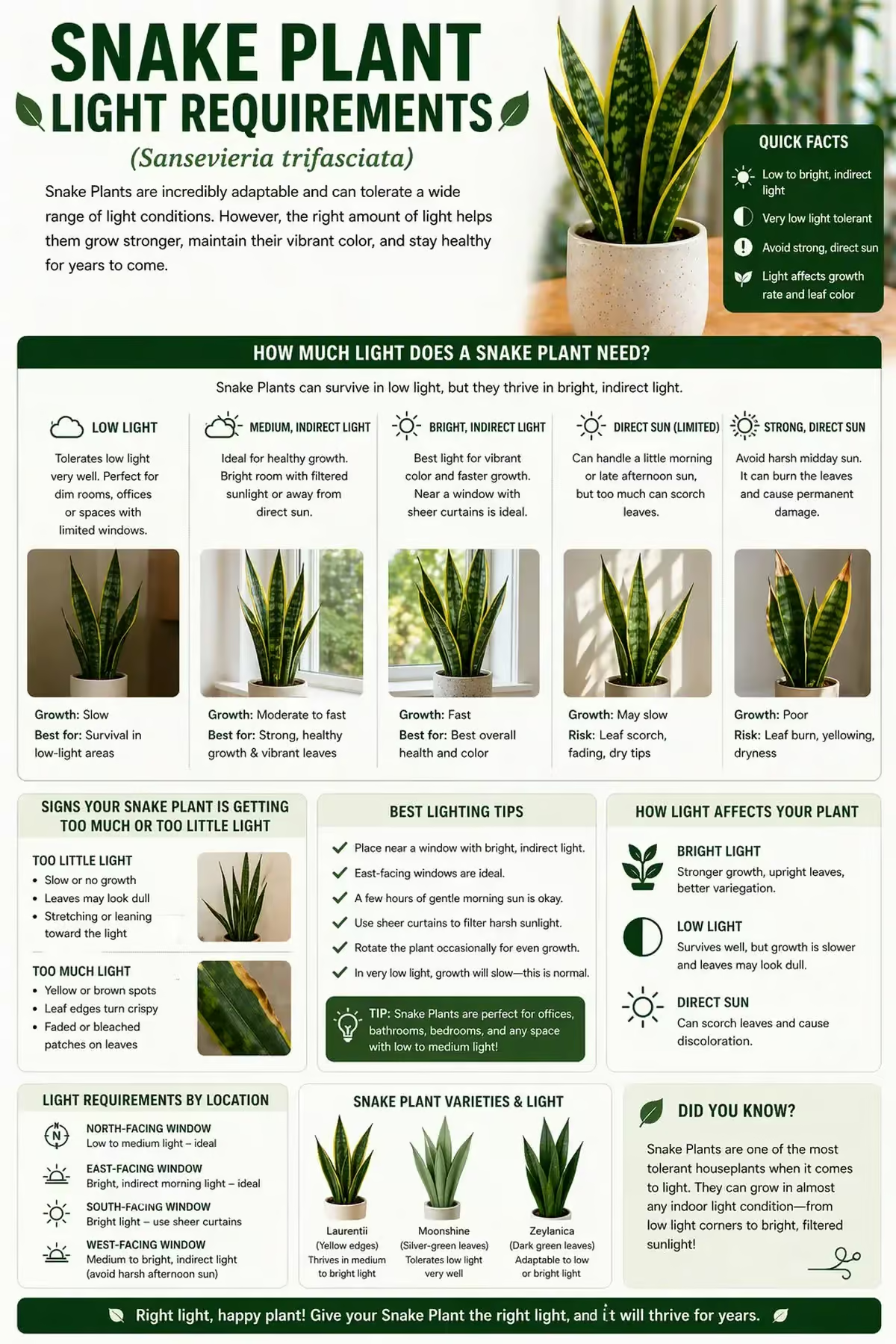
A snake plant sits in a dark bedroom
Snake plants tolerate low light better than many houseplants, but tolerance is not the same as active growth. In a dark bedroom, water sparingly, use a drainage pot, and expect slow growth. If the leaves soften near the base, the room is likely too dim and wet for the current routine.
A brighter spot with indirect light usually gives stronger upright leaves. If you want the plant to stay in the bedroom, place it near the brightest available window or use a small grow light on a timer.
A monstera has small leaves and no splits
Move the plant into bright indirect light, give it stable support, and avoid keeping it several feet into a dim room. Monstera leaves usually size up when the plant has enough light, root space, and a consistent climbing surface.
Do not expect instant fenestration from a small juvenile plant. Good light is necessary, but maturity, genetics, support, and overall health also matter.
A succulent is stretching on a shelf
Succulents usually need far more light than typical foliage plants. Move the plant to the brightest window you have or use a close LED grow light. Stretching growth will not shrink back, so future compact growth is the sign of improvement.
Watering less will not fix a succulent that is stretching because it lacks light. It may slow rot risk, but the shape problem is light-driven.
Leaves scorch after moving the plant
Move it back from the glass, add a sheer curtain, or choose morning sun instead of hot afternoon sun. Scorched patches do not turn green again, but new leaves should emerge clean if the plant is protected.
Do not cut every damaged leaf immediately if the plant still needs those leaves for energy. Remove the worst leaves gradually after the plant stabilizes.
Winter growth slows down
Treat winter as a lower-light season. Move plants closer to safe windows, reduce watering frequency, and pause aggressive fertilizing unless the plant is under strong supplemental light.
Do not keep the exact summer watering routine when the room is cooler, days are shorter, and the pot stays wet longer.
Common mistakes and troubleshooting
A room can look bright to people while the plant receives weak light at leaf level. Check the exact spot, not the room mood.
Many tropical foliage plants prefer bright indirect light and can scorch in hot direct glass-filtered sun.
Low light still means usable daylight. A windowless room needs supplemental light for long-term growth.
A decorative light across the room may not help. Plants need light close enough and long enough to matter.
A brighter spot usually dries faster; a dimmer spot usually dries slower. Adjust watering after every placement change.
Leggy growth is usually a light issue. Fix light before adding fertilizer.
Winter light is weaker and shorter in many homes, so dry-down and growth slow down.
Acclimate gradually to prevent leaf scorch.
When two symptoms appear at the same time, start with the factor that can damage roots or spread to other plants. Standing water, sour soil, mushy stems, and active pests deserve faster action than a single old yellow leaf. If you recently bought, repotted, or moved the plant, expect a short adjustment period and avoid stacking unnecessary changes.
What to watch over the next 30 days
A good care change should make the plant easier to read, not more confusing. Use the next month to watch the plant in a calm, repeatable way. Do not judge the whole routine by one old leaf, one dry tip, or one day of wilting after a hot afternoon. Look for patterns: how quickly the pot dries, whether new growth looks stronger, whether pests reappear, and whether the plant holds its shape without emergency changes.
During the first week, focus on placement and water behavior. Check the plant at the same time of day when possible. Notice whether light reaches the foliage, whether the pot feels heavy or light, and whether any leaf damage is spreading. If the plant was recently moved, give it stable conditions instead of moving it again the next day. Stability helps separate normal adjustment from a real care problem.
During the second week, inspect the root-zone clues. A healthy potting mix should not smell sour, stay swampy, or pull away into a bone-dry brick every few days. If water rushes around the root ball and out of the pot without soaking in, the mix may be too dry or hydrophobic. If water remains trapped in the bottom for days, the mix may be too dense, the pot may be too large, or the room may be too dim for the watering routine.
During the third week, check the newest leaves rather than the oldest damaged leaves. New leaves tell you whether the current conditions are improving. Old leaves often keep scars from sun, pests, dryness, or previous overwatering. Removing every imperfect leaf too early can weaken a small plant, so trim only leaves that are dead, mushy, pest-covered, or clearly no longer useful to the plant.
During the fourth week, decide whether the change was enough. If the plant is stable, leave the routine alone. If the same symptom keeps appearing on new growth, return to the decision table and correct the next likely cause. This slow method prevents the common cycle of watering, repotting, fertilizing, pruning, and moving the plant all in one stressful burst.
| Timeframe | Check | Healthy sign | Warning sign |
|---|---|---|---|
| Days 1–3 | Placement and light | The plant receives steady usable light without heat stress. | Leaves bleach, lean sharply, or sit in darkness most of the day. |
| Days 4–7 | Soil and pot weight | The pot begins to dry at a predictable speed. | The pot stays wet, smells sour, or becomes bone dry too quickly. |
| Week 2 | Leaves and stems | No rapid spreading of yellowing, soft tissue, or pest damage. | Soft stems, sticky residue, webbing, new spots, or repeated wilting appear. |
| Week 3 | New growth | New leaves are firmer, better shaped, or at least not worse. | New growth is distorted, tiny, pale, or damaged as soon as it opens. |
| Week 4 | Routine decision | The plant is stable enough to continue the same care. | The same problem repeats and a second cause needs to be checked. |
How to adjust without overcorrecting
The safest plant-care improvements are small and observable. Move a plant a little closer to light instead of from shade into hot sun. Wait for the root zone to dry instead of forcing a strict watering interval. Prune one or two damaged leaves instead of stripping the plant bare. Clean pests and repeat inspection instead of spraying several products at once. These choices protect the plant while still moving the routine in the right direction.
When the plant improves, resist the urge to keep changing the routine. Many indoor plants decline because the owner keeps reacting after the problem has already stopped. If new growth is healthy, the pot dries normally, and no pests are visible, the best next step is often consistency. Plants use stable conditions to rebuild roots and leaves; constant intervention interrupts that recovery.
When the plant does not improve, look for the hidden constraint. A plant can fail because the room is too dark, the pot has no drainage, the soil is compacted, the roots are damaged, the plant was already stressed when purchased, or pests are hiding in the leaf joints. The visible symptom is only the clue. The fix works when it solves the condition behind the symptom.
Signs the routine is working
- New leaves are close to normal size, color, and shape for the plant.
- The plant stops losing leaves rapidly.
- The potting mix dries at a predictable pace.
- Stems feel firm rather than soft or collapsing.
- No sticky residue, webbing, cottony clusters, or moving insects are visible.
- The plant leans less after rotation or better placement.
- Water drains freely and does not sit in the decorative pot.
- You can explain why you watered, moved, pruned, or repotted instead of guessing.
When to get more cautious
Be more cautious when the plant is newly purchased, newly repotted, heavily pruned, pest-treated, cold-damaged, or already weak. Stressed plants have less stored energy and less root capacity, so normal care changes can feel more intense. Keep those plants in stable light, avoid unnecessary fertilizer, and let the root zone guide watering. If you need to remove damaged material, remove the worst tissue first and keep healthy leaves whenever possible.
Be more cautious with plants in decorative containers. A beautiful outer pot can hide standing water, a tight nursery sleeve, compacted soil, or roots sitting in the runoff after every watering. Lift the inner pot when you water, let it drain fully, and check the cover pot before returning the plant. This one habit prevents many cases of slow yellowing and root decline.
Be more cautious with plants near vents, heaters, cold windows, fireplaces, kitchen appliances, and exterior doors. A plant can have correct light and still decline because hot dry air, cold drafts, or repeated temperature swings stress the leaves and roots. Move the plant a small distance, then observe whether leaf edges, wilting, or dry-down improve.
Simple record to keep
For one month, keep a tiny note with the date watered, how dry the soil felt, whether the pot felt light or heavy, and any new symptom. This does not need to be complicated. Four short notes can reveal whether the plant is drying every four days, every ten days, or almost never. Once you see the pattern, care becomes calmer and mistakes become easier to correct.
Use this guide as a practical routine for plant light requirements: bright, medium, low light, and grow lights explained, but keep the plant in front of you as the final evidence. Species guidance matters, yet the room, pot, roots, and season decide how that guidance behaves in real life.
Helpful supplies for this guide
Affiliate disclosure: As an Amazon Associate, PlantasticHaven may earn from qualifying purchases. Buy only what solves the specific problem in this guide; a better pot, brighter placement, or slower watering routine often matters more than another product.
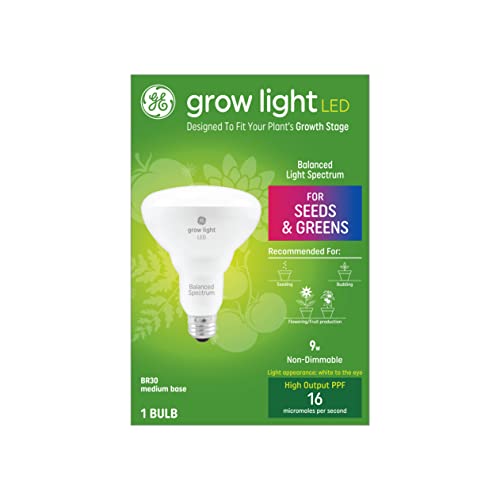
LED grow light for indoor plants
Useful when a room is too dim for steady growth or winter light drops sharply.
Best for: desks, shelves, low-light rooms, and winter support
Outlet timer for grow lights
Keeps supplemental light consistent so plants are not underlit one week and overlit the next.
Best for: people who forget to switch lights on and off
Indoor plant stand for windows
Raises plants closer to usable window light and keeps leaves out of cold drafts.
Best for: grouping plants near bright windows
Helpful plant supplies from Amazon
Affiliate disclosure: As an Amazon Associate, PlantasticHaven may earn from qualifying purchases. Buy only what solves the specific problem in this guide; a better pot, window placement, or watering change often matters more than another product.
Grow Light
LED grow light for indoor plants
Provides full-spectrum supplemental light for healthy foliage growth in dim rooms.
Timer
Outlet timer for grow lights
Automates grow light schedules to keep light duration consistent and plants stress-free.
Plant Stand
Indoor plant stand for windows
Elevates plants closer to window daylight and keeps pots organized.
FAQ
What does bright indirect light mean for houseplants?
Bright indirect light means the room is very bright but harsh rays do not strike the leaves for long periods. It is common near east windows or behind sheer curtains on stronger south or west windows.
Can plants survive in low light?
Some plants tolerate low light, but low light is not darkness. Growth is slower, watering must be more conservative, and variegated plants may lose color.
Do grow lights work for indoor plants?
Yes. LED grow lights can supplement weak natural light when they are close enough, used consistently, and matched to the plant rather than placed across the room.
How do I know if my plant needs more light?
Look for leaning, long gaps between leaves, smaller new growth, fading variegation, slow dry-down, or a plant that reaches toward the nearest window.
Can too much indoor light damage leaves?
Yes. Hot direct afternoon sun through glass can bleach, scorch, curl, or crisp foliage that evolved for filtered tropical light.
Sources, editorial note, and review date
This guide was reviewed on June 5, 2026 for practical indoor plant care, source consistency, pet-safety awareness, and product-safety language. It gives decision rules for ordinary homes rather than guaranteed outcomes, because plant response depends on species, pot size, soil, roots, light, temperature, humidity, season, and pest pressure.
- University of Minnesota Extension: lighting for indoor plants
- University of Maryland Extension: watering indoor plants
- University of Missouri Extension: caring for houseplants
- Clemson Cooperative Extension: common houseplant insects and related pests
- National Pesticide Information Center: houseplant IPM
- ASPCA: toxic and non-toxic plants database