
Snake Plant Propagation: Water, Soil, Division, and Pups
Learn the best snake plant propagation methods: division, pups, water leaf cuttings, soil leaf cuttings, timing, mistakes, and variegation concerns.
| Symptom/Need | Likely Cause | Action Plan | What to Avoid |
|---|---|---|---|
| Mushy, yellow leaf bases | Root rot from overwatering | Stop watering, prune rot, repot in dry succulent mix | Do not water if any dampness remains |
| Wrinkled or folding leaves | Severe dehydration | Thoroughly drench the soil and let it drain fully | Do not give tiny splashes that evaporate |
| Leaves leaning or falling over | Insufficient light or weak roots | Move closer to a window and check root stability | Do not leave in dark windowless corners |
Snake plant care requirements shift dramatically based on environmental variables:
⚠️ ASPCA Toxicity Note: Snake plants are toxic to cats and dogs due to saponins, which cause nausea and vomiting.
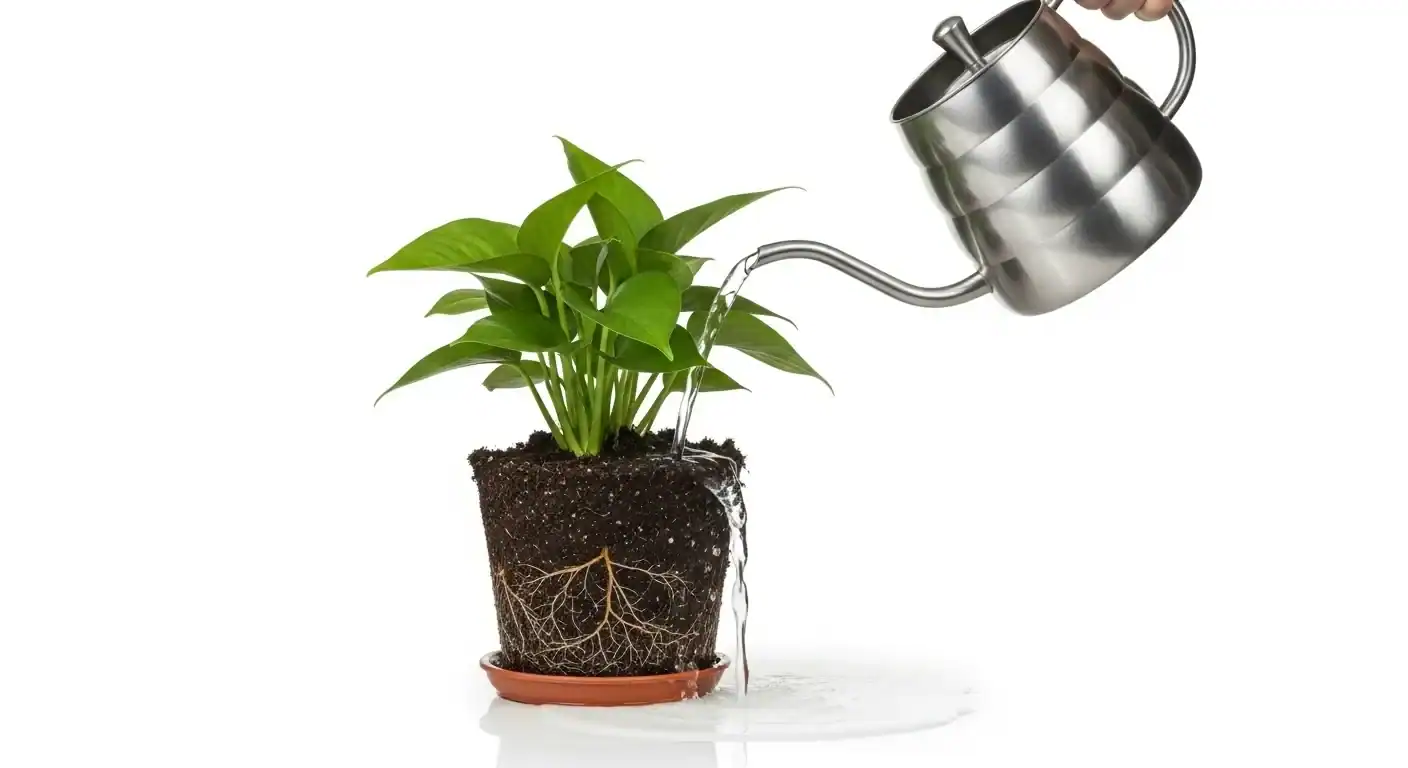
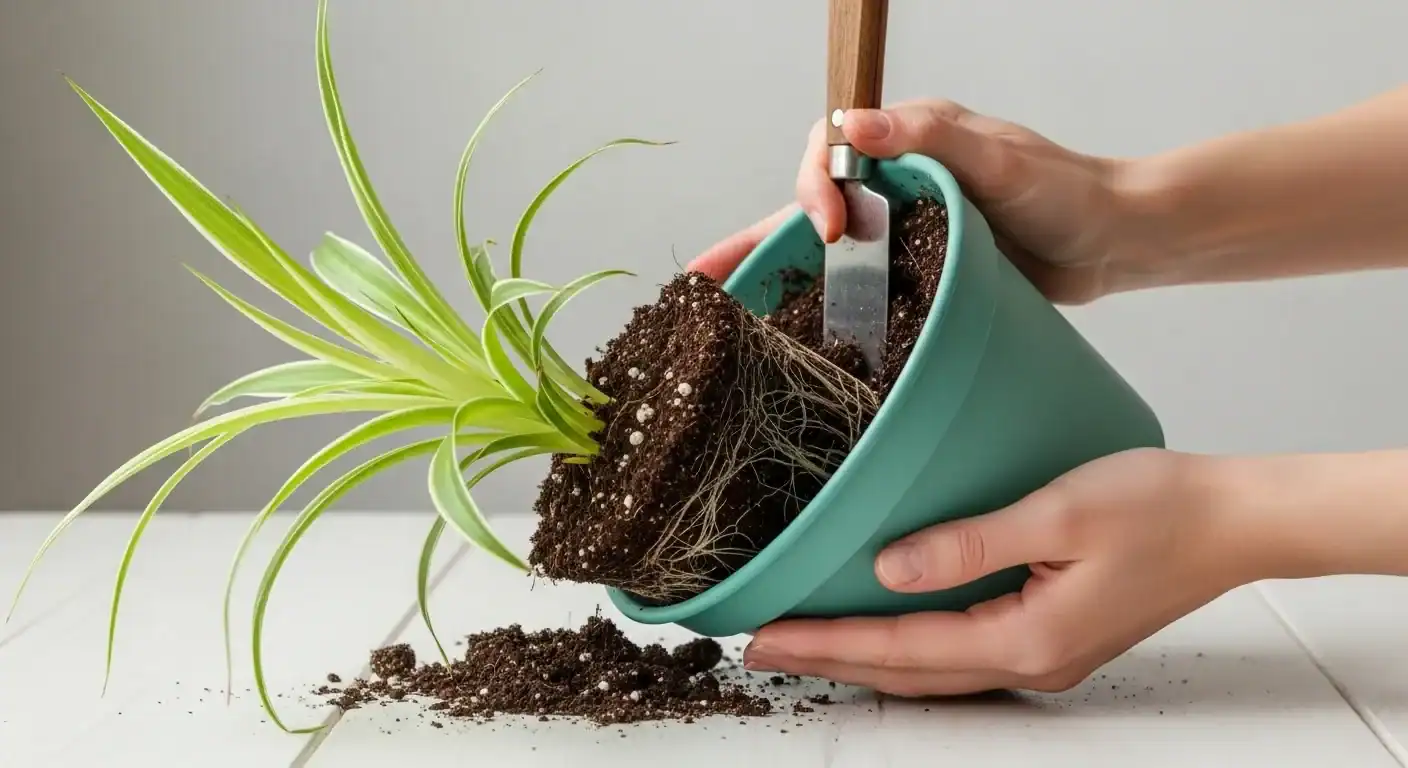
Learn the best snake plant propagation methods: division, pups, water leaf cuttings, soil leaf cuttings, timing, mistakes, and variegation concerns.
Learn whether snake plant is toxic to cats and dogs, what to do after chewing, how to place it safely, and which upright pet-safer alternatives may fit your home.
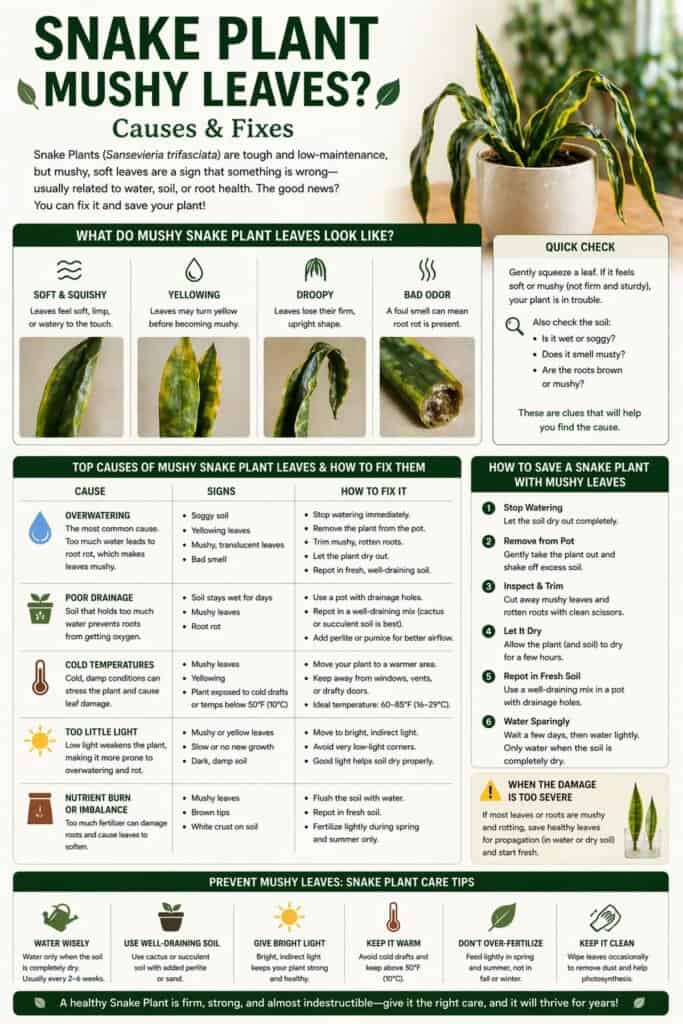
Mushy snake plant leaves usually mean excess moisture, root or rhizome rot, or cold damage. Stop watering immediately, remove the plant from the pot,…
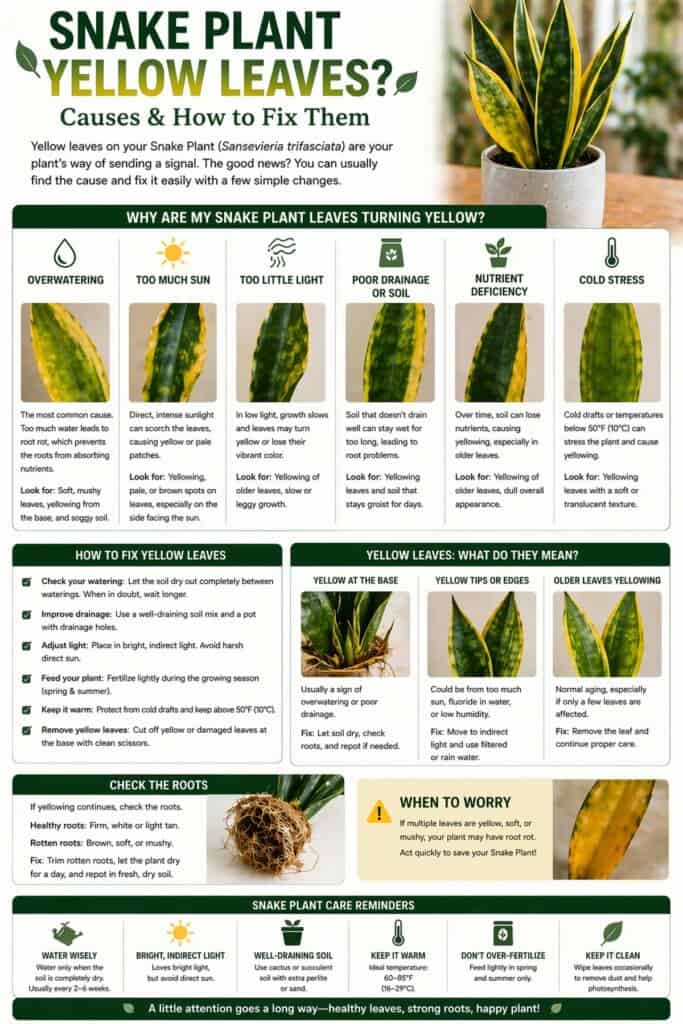
Snake plant leaves turn yellow most often because roots are too wet, drainage is poor, the plant got cold, or the root ball dried severely. One old…
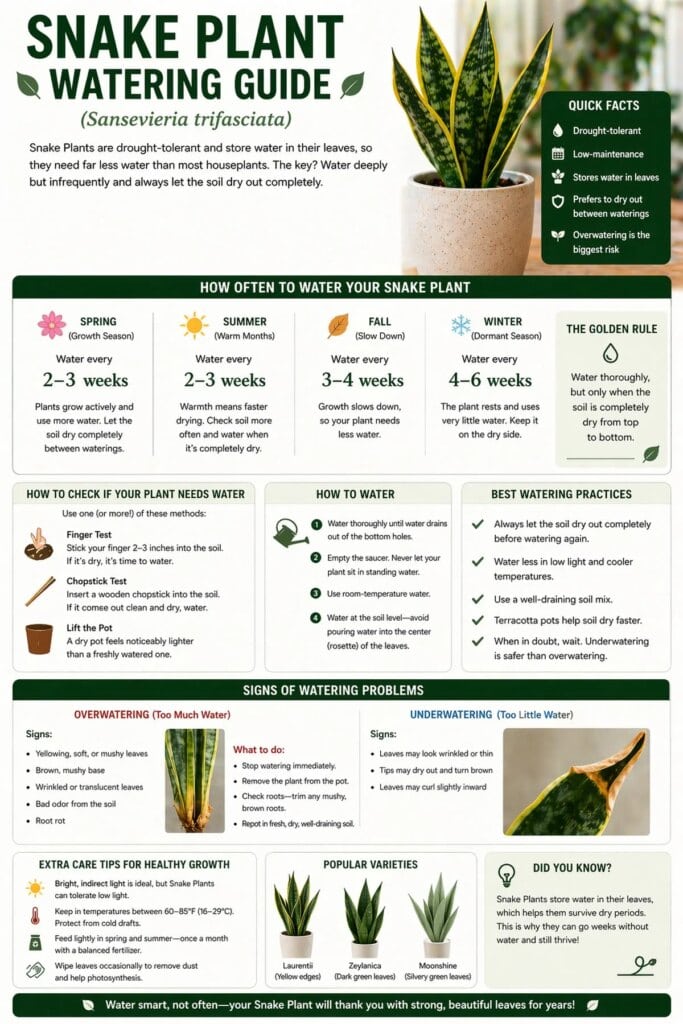
Water a snake plant only after the potting mix has dried well down into the pot. Water thoroughly, let the excess drain, then wait. Frequency depends…
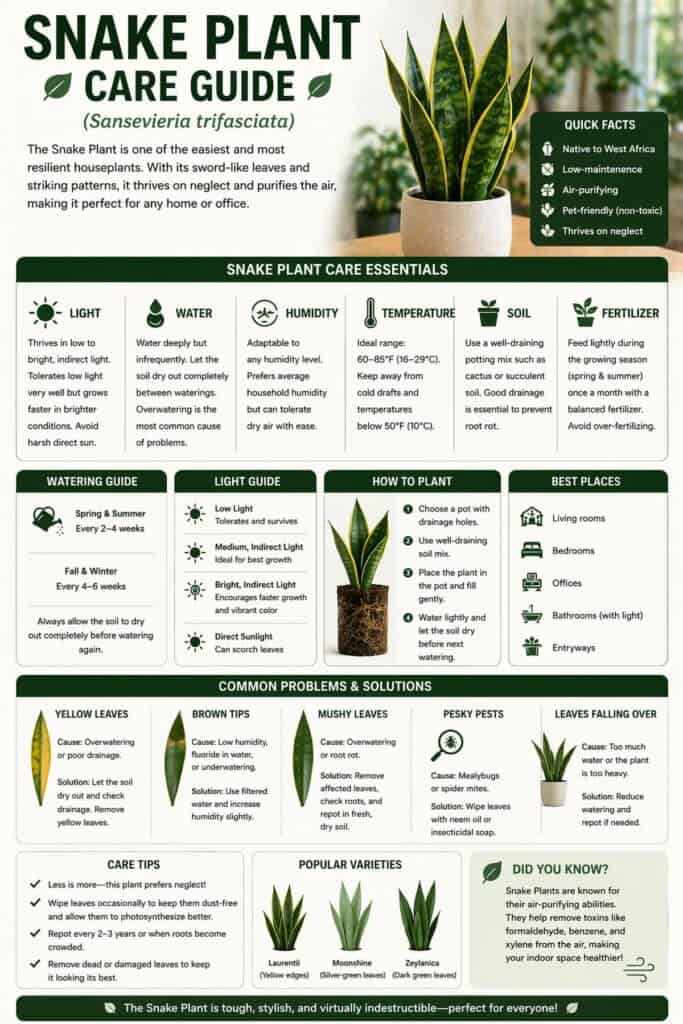
Complete snake plant care guide for watering, light, soil, pot size, yellow leaves, mushy leaves, curling, propagation, and pet-safety decisions.
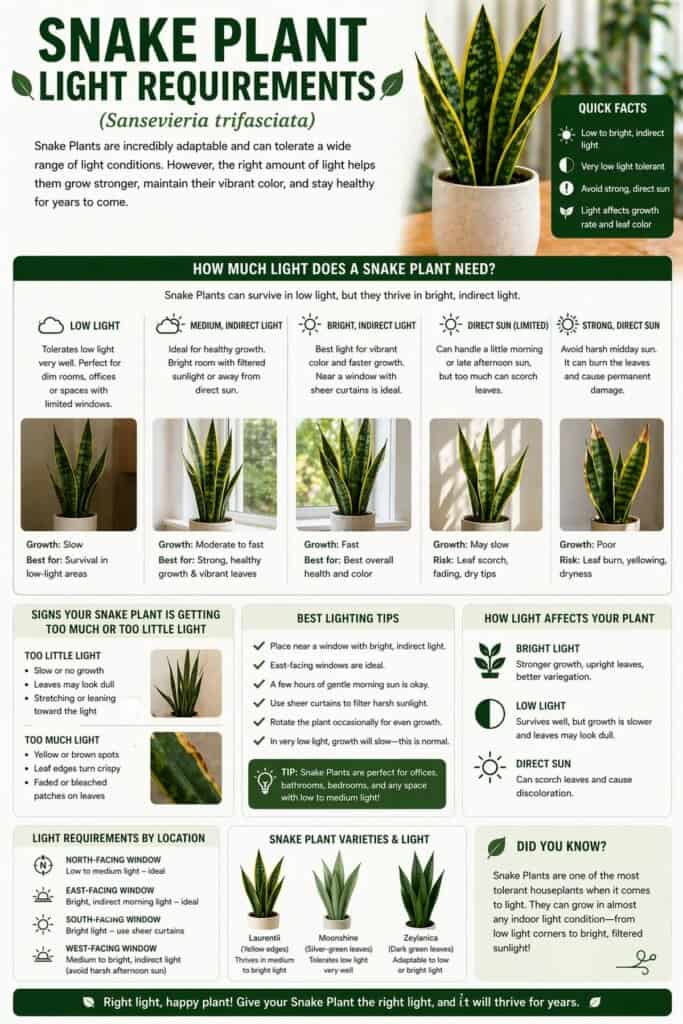
Snake plants tolerate low light, but they usually grow stronger in bright to moderate indirect light. Low light slows growth and keeps soil wet longer,…
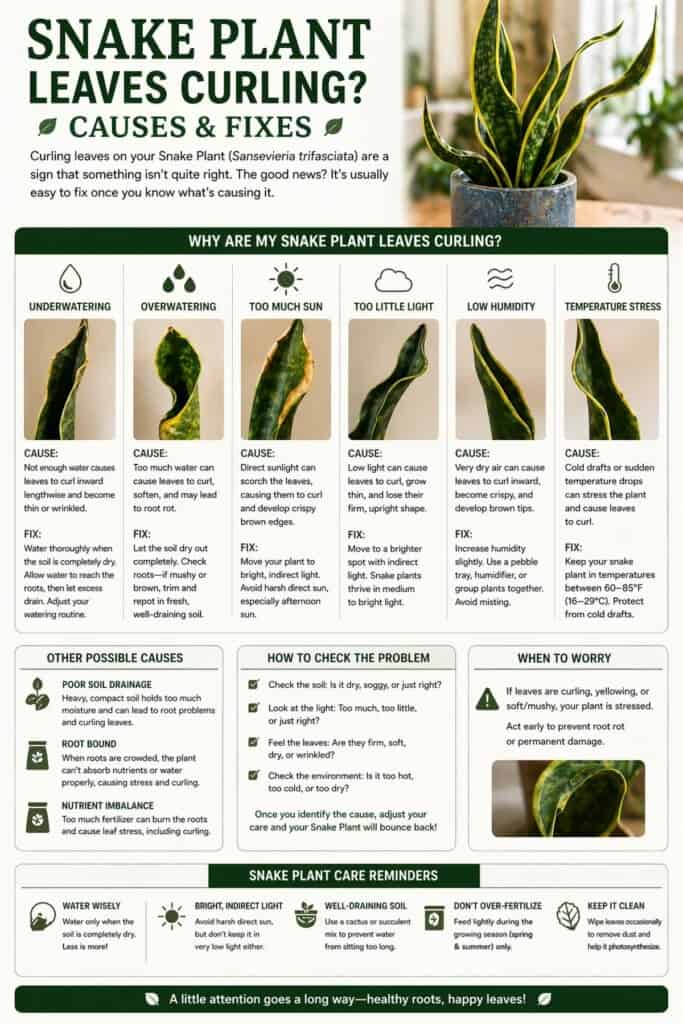
Diagnose snake plant leaf curling by dryness, overwatering, root stress, temperature, pests, light changes, and leaf damage so you fix the right cause.