
By Alexios Papaioannou · PlantasticHaven · Last reviewed June 18, 2026
Quick answer: Snake plant should be treated as unsafe for cats and dogs that chew houseplants. Keep it out of reach, especially because the stiff upright leaves can be easy for curious pets to bite. If a pet chews or swallows snake plant, remove access and contact a veterinarian or poison-control resource for advice.
The practical answer before you touch the plant
Snake plant should be treated as unsafe for cats and dogs that chew houseplants. Keep it out of reach, especially because the stiff upright leaves can be easy for curious pets to bite. If a pet chews or swallows snake plant, remove access and contact a veterinarian or poison-control resource for advice. The fastest way to improve the plant is to match the visible pattern to the root cause. Do not water, repot, prune, fertilize, and spray in the same session unless there is active rot or a spreading pest outbreak. A plant that receives one correct change is easier to read than a plant hit with five emergency fixes at once.
Most indoor plant failures come from a small set of repeated conditions: weak light, a pot without drainage, dense old mix, watering by habit, roots sitting wet, a plant placed near heat or cold, or pests that were not identified early. The rest of this article turns those conditions into clear decisions so you know what to do first, what to ignore, and when to escalate.
Decision table: choose the safest next step
This table is meant to prevent the most common mistake: treating every symptom as the same problem. Similar-looking leaves can come from opposite causes. Drooping can happen when roots are dry or when roots are suffocating in wet soil. Yellowing can be normal aging or a root-zone warning. Spots can be pests, scorch, salts, or disease pressure. The best first step is the one that checks the plant without creating new stress.
Step-by-step method
- Identify all snake plants and Sansevieria/Dracaena trifasciata labels in the home.
- Place plants where pets cannot chew leaves, paw soil, or knock containers over.
- Avoid low floor pots in rooms used by puppies, kittens, or known chewers.
- Clean broken leaf pieces promptly.
- Do not assume bitter taste will stop every pet.
- Replace reachable plants with pet-safer alternatives where chewing is likely.
- Save the exact plant name in case you need to call a veterinarian.
- Act quickly after chewing rather than waiting for severe symptoms.
How to read the plant before you change the routine
The most useful habit with snake plant toxic to cats is to slow down for one minute and read the whole plant. A single imperfect leaf can be old damage, but a repeating pattern tells you the plant is responding to something in the room. Check the newest leaves, the oldest leaves, the stem or crown, the surface of the soil, the drainage holes, and the weight of the pot. Those clues matter more than a rigid care calendar.
Start with moisture and light because they control almost every indoor plant decision. A plant in strong indirect light can use water faster, grow denser leaves, and recover from small mistakes more easily. A plant in weak light grows slowly, uses water slowly, and can look overwatered even when you are not pouring huge amounts of water. The room decides how often the roots receive both moisture and oxygen.
Next, check whether the symptom is spreading. Old leaves that are already scarred, yellowed, torn, or curled usually do not become perfect again. What matters is whether new growth looks cleaner and whether the same problem keeps appearing after you correct the obvious cause. If the newest growth is healthy, the pot dries predictably, and the plant holds itself firmly, the routine is probably moving in the right direction.
Be extra cautious when the symptom is spreading quickly, the soil smells sour, the base feels soft, pets have chewed the plant, or pests are visible on more than one plant. That is the point where guessing becomes risky. Do not stack every fix at once. Changing the soil, moving the plant, watering differently, pruning hard, fertilizing, and spraying on the same weekend can create a second stress event that hides the original cause. Pick the safest likely cause, correct it, and observe for a full cycle unless the plant is actively rotting or pests are spreading.
A strong recovery pattern looks like this: new growth looks normal, the plant stops declining, the pot dries at a predictable pace, and no new pests or soft tissue appear. A weak recovery pattern looks like repeated wilting, a sour pot smell, fresh yellowing on new leaves, collapsing tissue, sticky residue, webbing, or soil that never dries. When the weak pattern appears, go back to the root zone and the light source before buying another product.
For most readers, the best care upgrade is not a complicated product. It is a more accurate check: look at light, feel the soil, lift the pot, inspect the undersides, and confirm drainage. Once those checks become routine, the plant usually becomes far easier to maintain.
Pet-safety decision: attractive plant or safe placement?
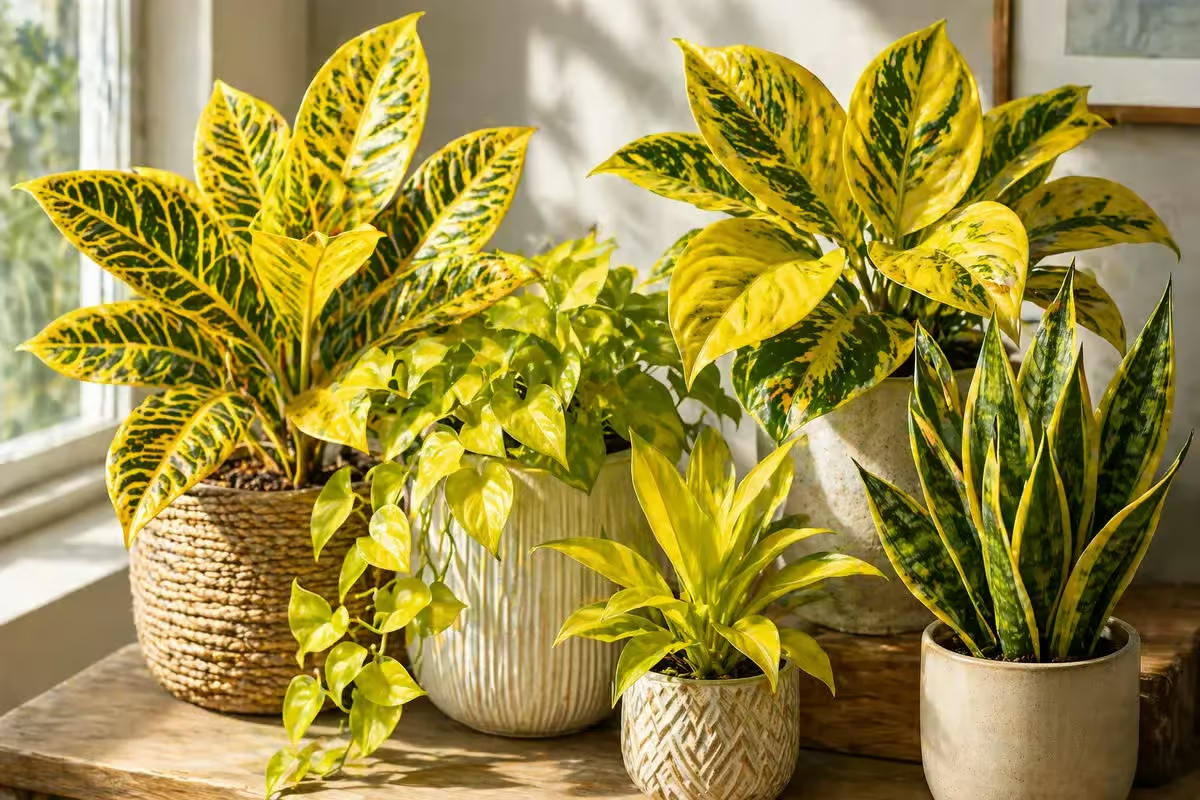
The safest pet-home decision is based on access, not on whether the plant looks harmless. Cats climb, dogs nose through floor pots, and young animals chew objects that older pets may ignore. A plant that is technically on a shelf can still be reachable if vines hang down, if the shelf is next to a sofa, or if fallen leaves collect on the floor.
Think in zones. A pet-safe zone is a room, shelf, cabinet, or hanging area that the animal cannot reach even when curious. A risky zone is any windowsill, plant stand, floor planter, desk, bedside table, or water-propagation jar that the pet can access. If a plant is risky and the pet is a chewer, replace that plant in shared rooms instead of hoping the pet loses interest.
What to do if a pet chews the plant
Remove the plant from reach, collect the plant label or a photo, note the time, and contact a veterinarian or poison-control resource. Do not wait for dramatic symptoms before asking for advice. Do not try home remedies or force vomiting unless a qualified professional instructs you to do so.
Pet access audit for every room
Walk through your home at pet height, not human height. A plant that looks safely elevated may be reachable from a sofa, windowsill, desk, stair landing, bookcase, or chair. Cats climb and jump. Dogs investigate floor pots and low tables. Young pets chew objects that older pets may ignore. The safest decision is based on what the pet can actually touch.
Check for dangling vines, stiff leaves at muzzle height, broken pieces, propagation jars, fallen leaves, plant labels, decorative moss, and loose soil. Pets do not need to eat the whole plant for the situation to matter. A small chew can still require professional advice.
How to keep a risky plant without daily worry
If you keep the plant, make the safety system physical. Use closed rooms, high hangers away from furniture, cabinets with glass doors, or shelves pets truly cannot access. Do not rely only on verbal correction, bitter sprays, or hope. Training can help, but separation is more reliable.
Shorten dangling growth before it becomes a toy. Avoid low floor pots for known chewers. Keep propagation water and cuttings away from pets. If the plant sheds leaves often, it may not belong in a shared pet space.
Safer alternatives and realistic compromises
A pet-safer plant collection can still look beautiful. Put safer plants in reachable areas and reserve higher-risk plants for protected zones. Use pet-friendlier choices for floor pots, coffee tables, bedrooms, and sunny windowsills. Keep risky plants only where you can control access.
Verify exact species before buying because common names can be misleading. Save plant tags, use botanical names when possible, and check a recognized pet-safety database.
What to do if chewing happens
Move the plant out of reach, remove plant pieces from the pet area, identify the plant, note the time, and contact a veterinarian or poison-control resource. Share the plant name, amount suspected, pet size, symptoms, and timing. Do not wait for severe symptoms if you already know the pet chewed the plant.
Do not use internet comments as a substitute for veterinary advice. Different animals, sizes, health histories, and exposure amounts change the decision. A calm call with accurate plant identification is safer than guessing from a generic symptom list.
Long-term pet-home plant rules
Keep higher-risk plants away from new pets, bored pets, young pets, and pets with a history of chewing. Clean fallen leaves as part of the watering routine. Keep fertilizers, insecticidal soaps, oils, soil amendments, and propagation jars out of reach too. Pet safety is about the whole plant setup, not only the leaf.
Real-world examples for snake plant pet safety
Search results often give short answers, but indoor plant care happens in specific rooms with specific habits. Use these examples to match the article to your actual home before you decide what to do next for snake plant toxic to cats.
The curious cat on a windowsill
If the plant sits on the same sill the cat uses for sun, the plant is accessible no matter how high the sill looks. Move the plant to a closed room or use a cabinet. Do not wait for the cat to chew a leaf before changing the setup.
The puppy near a floor planter
Floor planters are risky because dogs can mouth leaves, dig soil, and knock pots over. Use floor space only for pet-safer plants and move higher-risk plants to areas the dog cannot reach.
The hanging basket over furniture
A hanging basket above a sofa can still be reachable when vines trail down. Trim dangling growth and move the basket away from climbable surfaces.
The propagation jar on a counter
Cuttings can be easier to access than the main plant. Keep jars, water, and loose plant pieces away from pets, especially at night.
The plant-loving household
When people and pets share the same rooms, use zones. Put safer plants where pets live and keep riskier plants in protected, controlled areas.
The emergency moment
If chewing happens, identify the plant, remove access, collect any remaining pieces, and contact a veterinarian or poison-control resource with accurate details.
Reader-safe final checklist
- Confirm the plant or problem before treating it.
- Check light, drainage, soil moisture, and root-zone clues before buying supplies.
- Use one correction at a time unless rot, pests, or pet ingestion makes faster action necessary.
- Keep pets, children, food-prep areas, and aquariums in mind before using any product.
- Judge recovery by new growth, stable roots, predictable dry-down, and stopped spread.
- Use the internal links in this article to move to the next most specific PlantasticHaven guide instead of searching randomly.
The best result is a plant-care decision you can explain: what you saw, what you checked, what you changed, and what you will watch next. That is what turns snake plant pet safety from a frustrating search query into a manageable houseplant routine.
Snake plant placement rules for pet homes
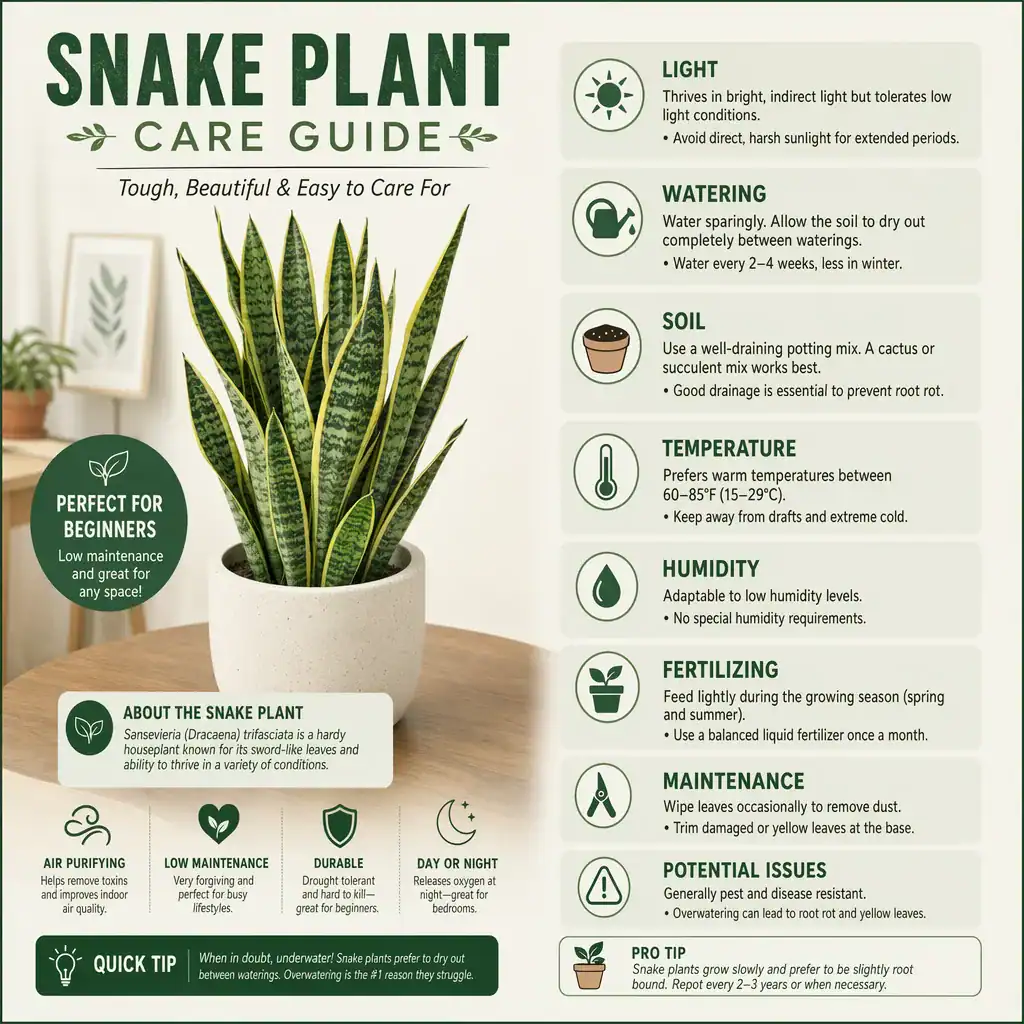
Snake plants are often placed on the floor because they are upright and sculptural. That is exactly what makes them risky for dogs and curious cats. The leaves can sit at mouth height, and the pot surface is easy to dig. A snake plant that looks tidy to a human can be a chew object to a pet.
Move snake plants out of floor-level pet zones. Use closed rooms, plant cabinets, or elevated spaces that pets cannot reach. If a cat jumps onto shelves, treat those shelves as accessible. If a dog investigates floor pots, do not keep snake plants on the floor. Physical access matters more than the plant’s reputation as easy care.
For homes with new puppies, kittens, or known chewers, choose safer plants for everyday rooms and reserve snake plants for protected spaces. Keep the botanical name and a photo of the plant available so you can identify it quickly if an exposure happens.
Common snake plant pet-safety mistakes
Do not assume stiff leaves are less tempting than soft vines. Do not assume a tall pot prevents chewing. Do not leave broken leaf pieces on the floor after pruning or accidental damage. Do not use plant stands that wobble when a pet bumps them. Do not keep soil additives, fertilizer spikes, or pest products around the pot where pets can investigate.
A good pet-safe setup is boring: the pet cannot reach the plant, the plant cannot drop pieces into the pet area, and the owner does not need to supervise it constantly. If the setup requires daily anxiety, the plant is in the wrong place.
Final snake plant pet-safety check
Before placing a snake plant in a pet home, look at the height of the leaves, the stability of the pot, and whether the pet can reach the soil surface. Floor planters are convenient for design but often poor for pet safety. A better setup prevents chewing, digging, tipping, and contact with broken leaf pieces. If you cannot make the plant unreachable, use a safer plant in that room.
Also remember that snake plant leaves can break during moving, cleaning, or repotting. Broken pieces should be picked up immediately. A safe placement is not only where the pot sits today; it is how the plant is handled during normal care, pruning, and room cleaning.
For households with multiple pets, judge the setup by the most curious animal, not the calmest one. One pet may ignore the plant while another chews leaves, digs soil, or knocks the pot down. The safest arrangement protects against the highest-risk behavior in the home.
Common mistakes to avoid
- Changing everything at once. One well-chosen correction beats five guesses.
- Watering without checking the soil. A calendar can remind you to inspect the plant, but it should not decide for the roots.
- Ignoring light. Low light slows growth and dry-down, so many water problems are really light-placement problems too.
- Using products as shortcuts. Fertilizer, sprays, meters, and mixes help only when they match the diagnosis.
- Judging recovery by old damage. Watch new growth and whether the problem stops spreading.
- Forgetting pets and children. Plant placement matters as much as plant care in shared homes.
Simple 30-day action plan
FAQ
Is snake plant toxic to cats?
Yes, snake plant should be treated as toxic to cats that chew it. Contact a veterinarian if chewing or ingestion occurs.
Is snake plant toxic to dogs?
Yes, snake plant should be kept away from dogs that chew plants. Professional advice is safest after exposure.
Can I keep snake plant with pets?
Only if the plant is genuinely unreachable. Floor pots and low stands are risky with curious pets.
Are dried snake plant leaves still a concern?
Treat fallen or broken pieces as plant material pets should not chew. Clean them up quickly.
What upright plants are safer for pet homes?
Some palms and other houseplants are commonly used in pet-friendlier homes, but verify the exact species before buying because common names can be misleading.
Sources and useful references
Editorial note
This article is written for normal indoor homes, not perfect greenhouse conditions. The safest plant-care advice starts with observation: light, drainage, soil texture, root health, leaf pattern, temperature, pests, and pet access. Plant response varies by room and season, so the article gives decision rules rather than impossible guarantees.
Last reviewed by PlantasticHaven editorial: June 18, 2026. Before using any pesticide, fertilizer, soil additive, or pet-safety decision, read the label or contact the relevant professional source. For urgent pet ingestion concerns, contact a veterinarian or poison-control resource immediately.