
Quick answer: Snake plant leaves turn yellow most often because roots are too wet, drainage is poor, the plant got cold, or the root ball dried severely. One old outer leaf can yellow naturally, but several yellow leaves, soft bases, wet soil, or a sour smell means you should check the roots before watering again.
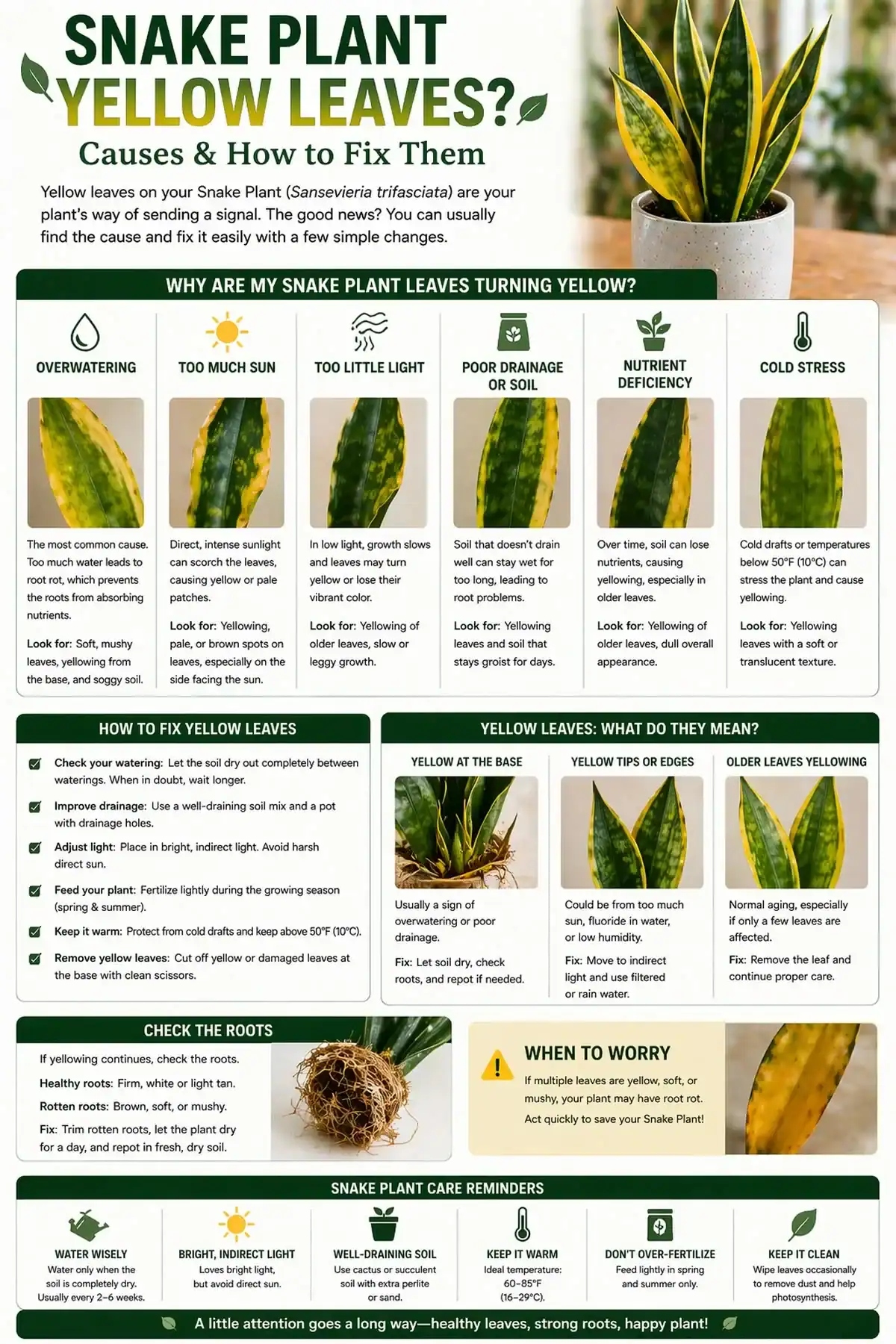
Snake plant yellow leaves diagnosis table
Match the symptom pattern to the likely cause. The most useful clues are soil moisture, leaf texture, spread speed, and recent changes.
| Signal | Likely cause or best fit | How to confirm | Best next step |
|---|---|---|---|
| One older outer leaf slowly yellowing | Normal aging | Rest of plant is firm and healthy | Remove only after it is mostly spent |
| Several yellow leaves with wet soil | Overwatering or root rot | Soft bases, sour smell, heavy pot | Stop watering, inspect roots, refresh soil if needed |
| Yellow tips or edges after intense sun | Light scorch or heat stress | Bleached or crispy exposed side | Move to filtered bright light |
| Yellowing after transport or cold window | Cold stress | Translucent patches or soft tissue after chill | Move warmer and remove collapsed tissue |
| Yellowing after severe dryness | Drought stress | Pot is very light; mix pulls from edge | Rehydrate slowly and reset routine |
The SEO and answer-engine angle
This rewrite targets “why are my snake plant leaves turning yellow” with a symptom-first diagnostic framework rather than a generic list. It gives the immediate answer, shows a table, then teaches users how to decide between normal aging, rot, drought, cold, light stress, and nutrient problems.
The content also prevents harmful advice. Yellow leaves are often wrongly treated with fertilizer or more water. This version tells readers to check roots, drainage, and leaf texture first.
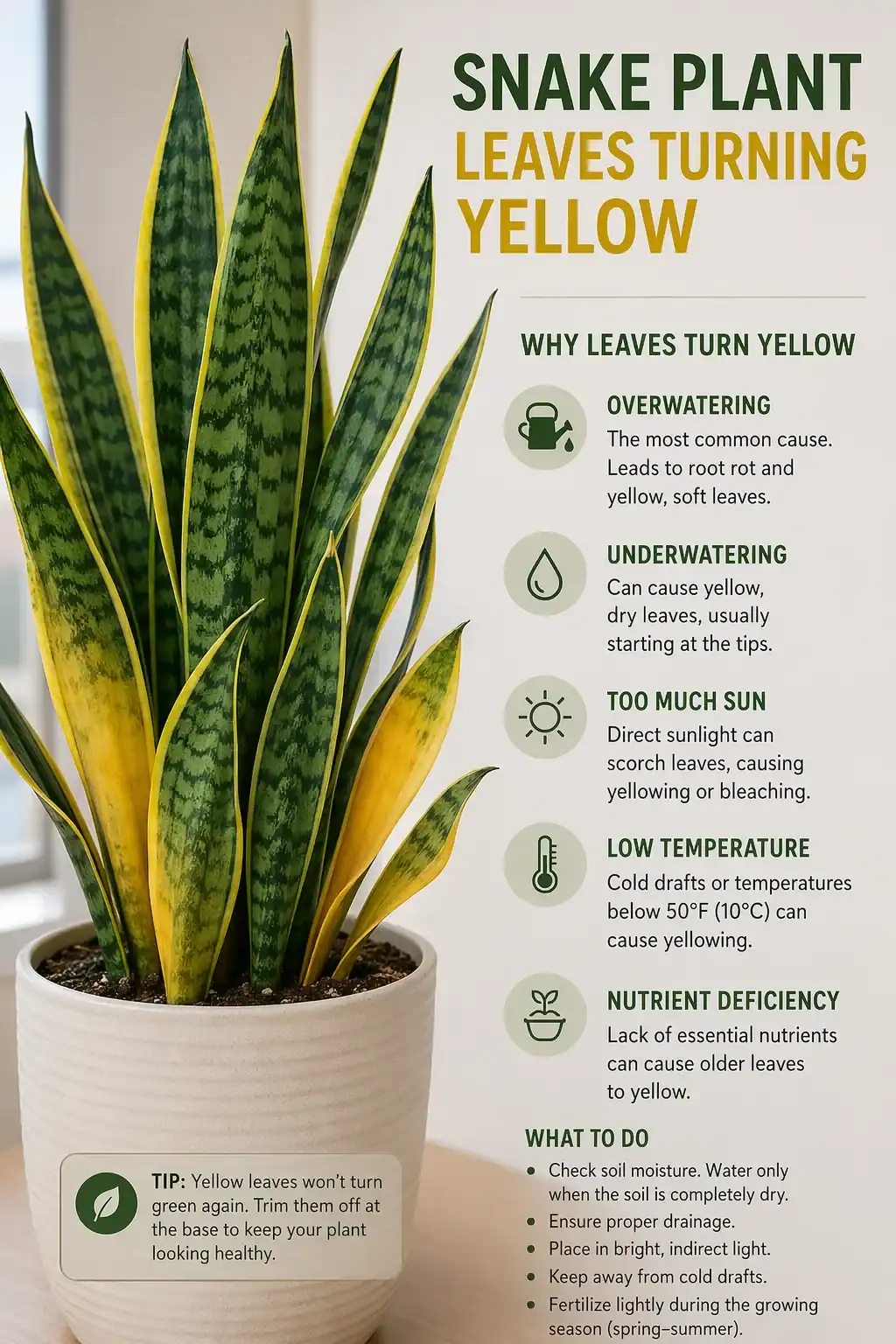
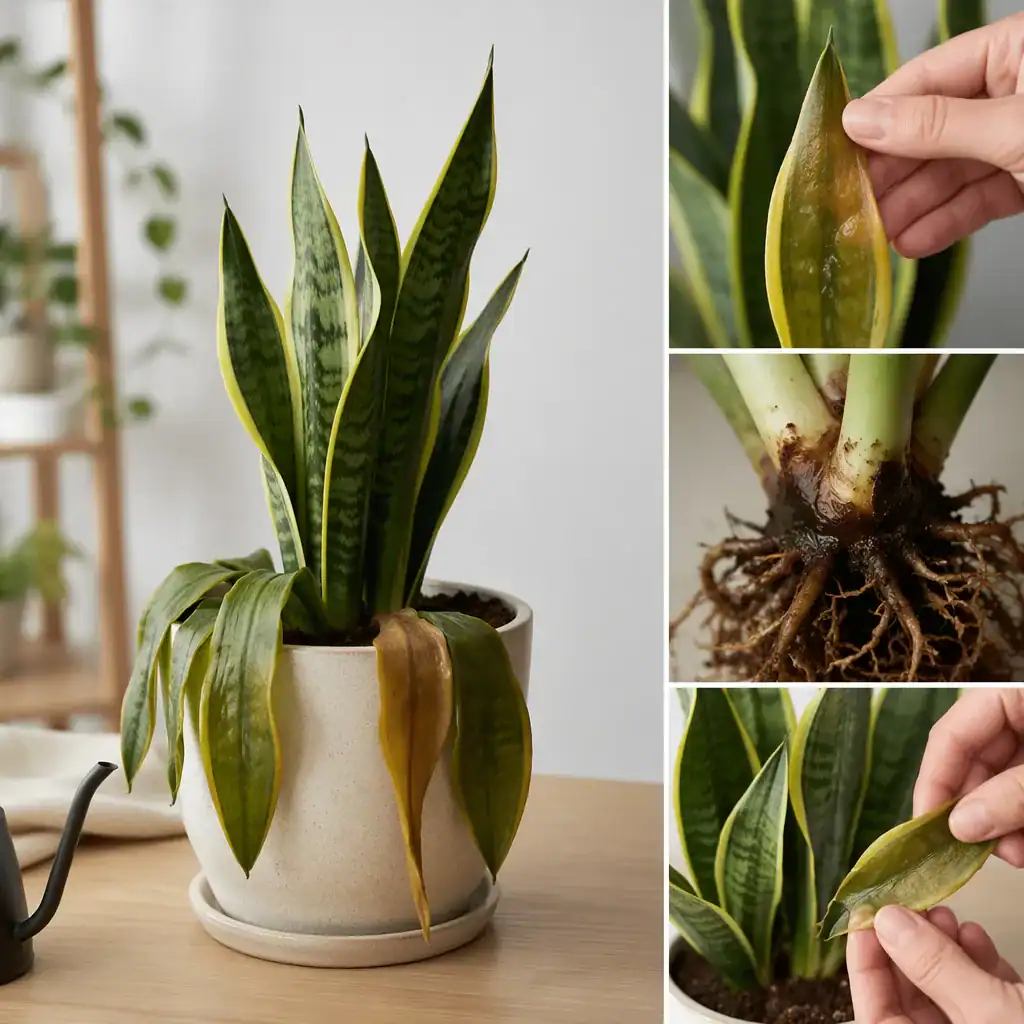
What yellow leaves mean
Yellowing is a signal that the leaf is losing chlorophyll or the tissue is declining. The reason can be harmless aging or serious root stress. Look at how many leaves are involved and whether the tissue is firm, soft, dry, or translucent.
Why fertilizer is rarely the first fix
A nutrient deficiency is possible but less common than water, drainage, light, or temperature problems indoors. Fertilizing a plant with damaged roots can make decline worse.
What happens to yellow leaves
A fully yellow snake plant leaf usually will not turn green again. The goal is to stop the cause and protect future growth, not restore old damaged tissue.
Step-by-step practical instructions
Use this calm diagnostic sequence before cutting, watering, fertilizing, or repotting.
One old outer leaf is less urgent than several yellow leaves at once.
Firm yellowing suggests aging or stress; soft, mushy tissue suggests rot or cold injury.
Wet lower soil means do not water; dry hydrophobic soil needs slow rehydration.
Confirm the pot has holes and no water is trapped in a cachepot.
Unpot gently if soil is wet, leaves are soft, or the pot smells sour.
Use clean snips and remove leaves that are fully yellow, soft, or collapsing.
Improve light, drainage, warmth, and dry-down before considering light feeding.
Common mistakes and troubleshooting
Watering a yellowing plant immediately
Yellowing can mean roots are already too wet.
Fertilizing before diagnosis
Fertilizer cannot repair rotten roots or cold-damaged tissue.
Cutting every yellow-specked leaf too early
Partially functional leaves can support the plant unless they are diseased or mushy.
Ignoring the pot
A beautiful pot without drainage can be the hidden cause.
Pet safety, toxicity, and household-risk notes
Discard removed leaves where pets cannot chew them. Do not compost indoors if pets investigate bins.
Helpful plant-care products
Amazon affiliate disclosure: PlantasticHaven may earn from qualifying purchases through these links. Each button uses the affiliate tag papalex-20. Product images below are actual product imagery from verified manufacturer or major-retailer product pages; for full Amazon Associates compliance, refresh price, availability, ratings, and Amazon-hosted images through Amazon PA-API before publishing dynamic claims.

XLUX Soil Moisture Sensor Meter, 2-Pack
Buyer-risk note: Never leave probes in soil permanently and do not force them through hard, rocky mix.
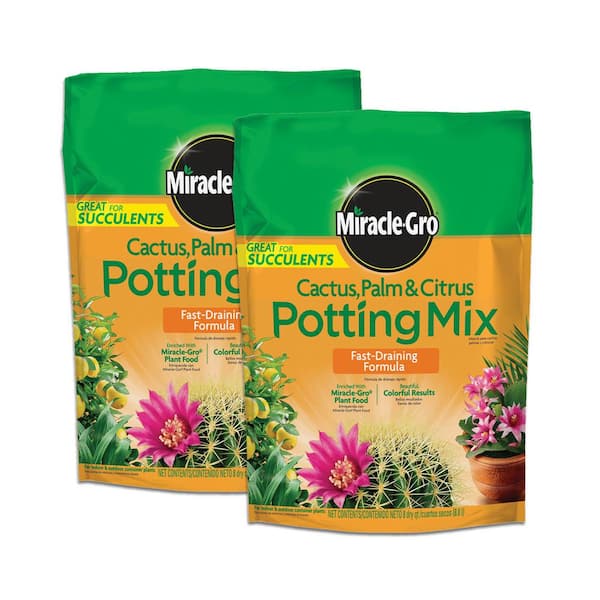
Miracle-Gro Cactus, Palm & Citrus Potting Mix, 8 qt. 2-Pack
Buyer-risk note: Do not use it as an excuse to water frequently; even fast-draining mixes can stay wet in oversized pots.
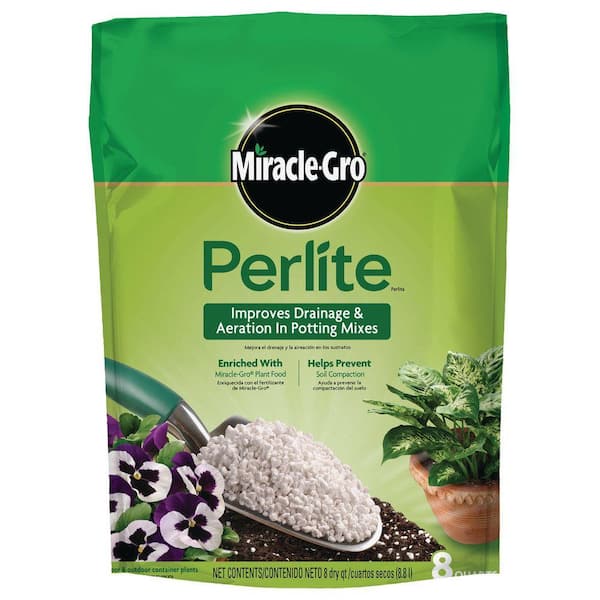
Miracle-Gro Perlite, 8 qt.
Buyer-risk note: Wear a mask when mixing dusty amendments and moisten lightly before handling.
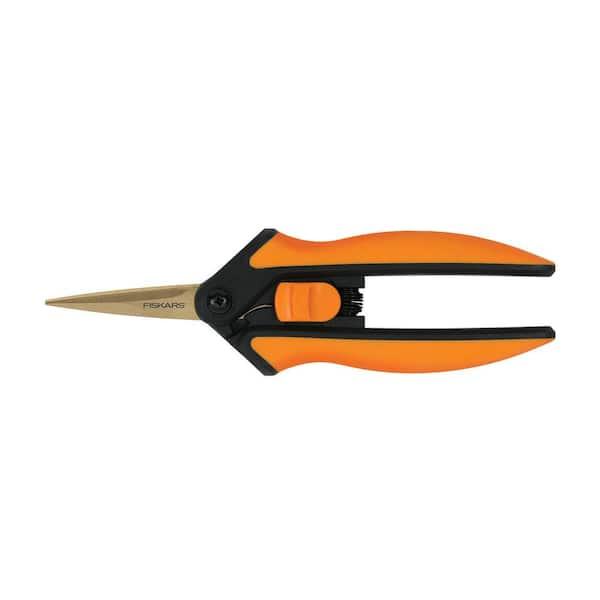
Fiskars 6 in. Micro-Tip Pruning Snips
Buyer-risk note: Disinfect before and after rescue cuts so rot or pests are not spread plant-to-plant.
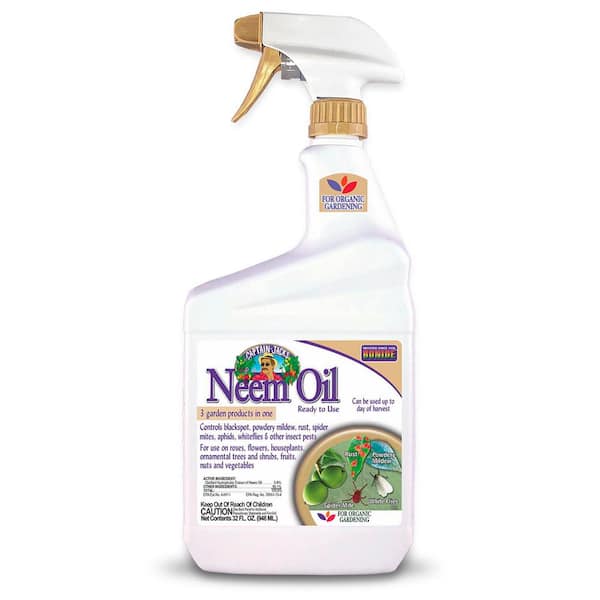
Bonide Captain Jack's Neem Oil, 32 oz Ready-to-Use Spray
Buyer-risk note: Always read the label; avoid spraying stressed plants, direct sun, open terrariums, or pet-accessible leaves.
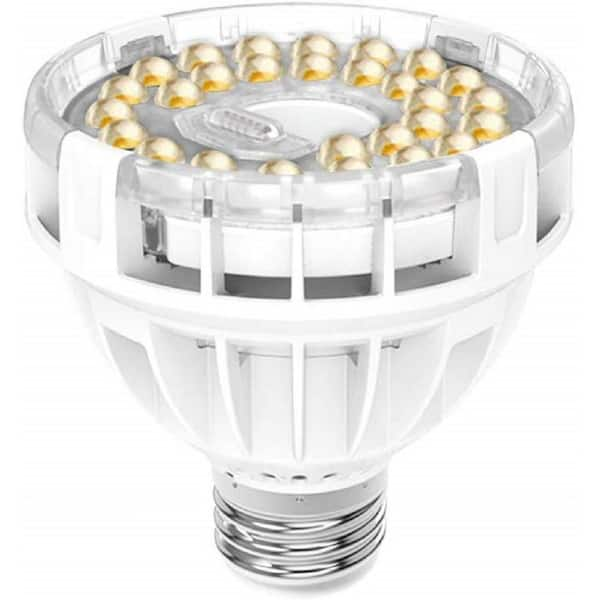
SANSI 10W Full Spectrum LED Grow Light Bulb, E26
Buyer-risk note: Avoid placing leaves too close; increase light gradually to prevent stress or scorch.
Helpful YouTube video
This visual video helps connect yellow leaves to watering, soil, and light decisions.
FAQ
Should I cut yellow leaves off my snake plant?
Cut fully yellow, mushy, or collapsing leaves. If only a small area is yellow and the rest is firm, you can wait while fixing the cause.
Can yellow snake plant leaves turn green again?
Usually no. Once a snake plant leaf is fully yellow, focus on stopping the cause and protecting new growth.
Does yellow mean overwatering?
Often, but not always. Check soil moisture, drainage, leaf softness, cold exposure, and dryness before deciding.
Can too much sun turn snake plant leaves yellow?
Yes. Harsh direct sun can bleach, yellow, or burn exposed leaves, especially after sudden movement from shade.
Is one yellow leaf normal?
One older outer leaf can yellow naturally if the rest of the plant is firm and healthy.