 Skip to content
Humidity-loving plants • Updated April 29, 2026
Amazon affiliate disclosure: PlantasticHaven may earn from qualifying purchases through Amazon links. These picks are matched to this specific guide because: humidity/environment article with relevant tools.
Relevant Amazon picks for Best Houseplants for Humid Environments: Bathroom, Kitchen, Terrarium, and Tropical Picks
Start with the plant problem first, then choose only the supply that solves it. Skip any product that does not match your light, pot size, watering pattern, or plant condition.
Self-watering planter with drainage
Can smooth moisture swings, but only if the plant also has enough light.
Shop on AmazonThe best houseplants for humid rooms still need light and airflow
Quick answer: The best houseplants for humid environments are tropical plants that enjoy moisture in the air but do not want constantly soggy soil. Ferns, calatheas, pothos, philodendrons, peace lilies, orchids, and many aroids can do well in bathrooms or kitchens if they also receive enough indirect light.
What to check first
| Signal | What it usually means | Best next move |
|---|---|---|
| Boston fern | Bright indirect light, high humidity | Do not let the root ball fully dry. |
| Calathea | Filtered light, steady moisture | Avoid direct sun and hard-water buildup. |
| Pothos | Low-to-bright indirect light | More forgiving than most tropical plants. |
| Orchid | Bright filtered light, airy roots | Needs bark mix and drainage, not dense soil. |
Step-by-step action plan
- Match the plant to available light before judging humidity.
- Use pots with drainage even in bathrooms.
- Keep leaves from pressing against wet walls or windows.
- Run a fan briefly if the room stays damp.
- Watch for fungus gnats, mildew, or black leaf spots.
FAQ
Do humidity-loving plants need misting?
Usually not if the room is already humid. Pebble trays, grouped plants, or a humidifier are more consistent than occasional misting.
Can plants live in a bathroom with no window?
Most cannot thrive long-term without a grow light. Humidity helps, but plants still need usable light.
PlantasticHaven care guide · Updated 2026
Humidity-Loving Houseplants for Bathrooms, Kitchens & Green Corners
A complete support page for the bathroom cluster, focused on plants that appreciate higher humidity without confusing humidity with overwatering.
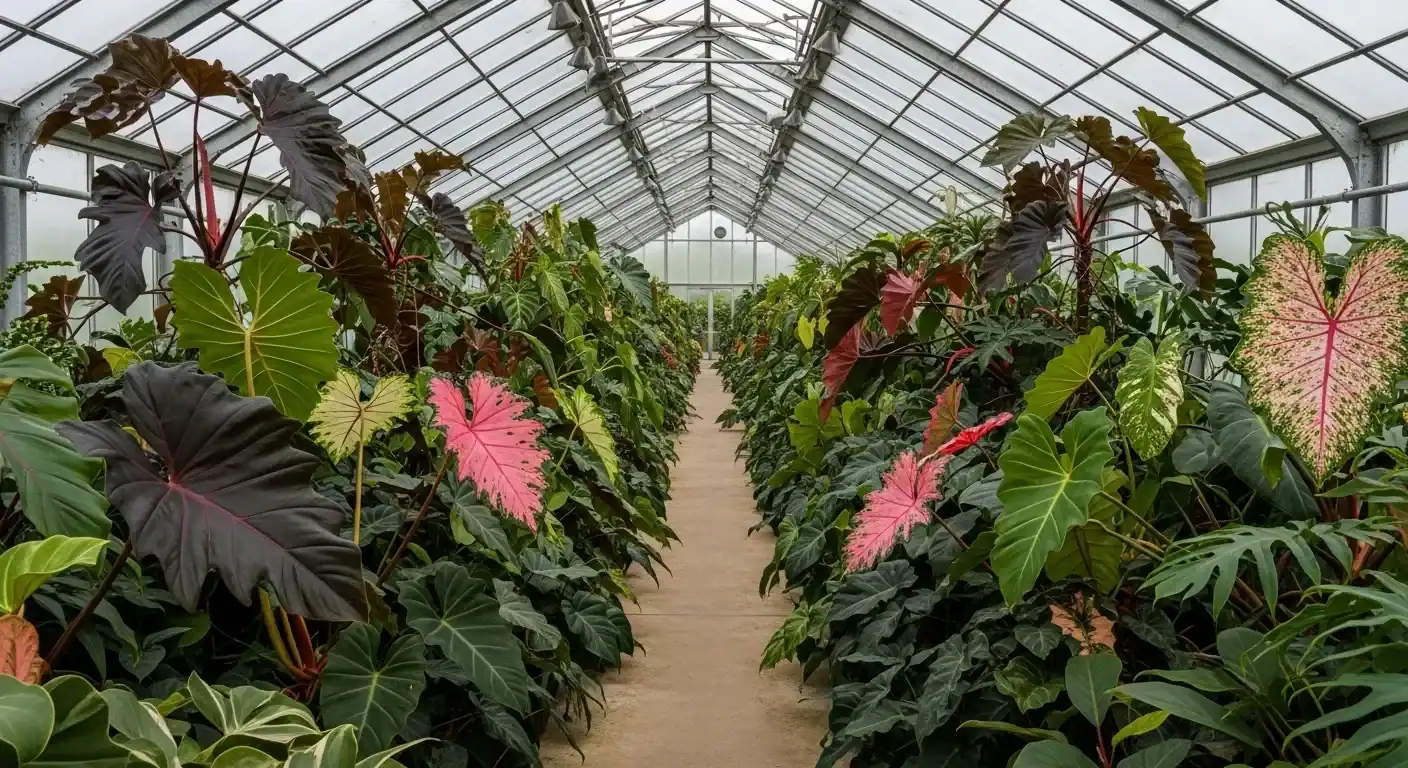
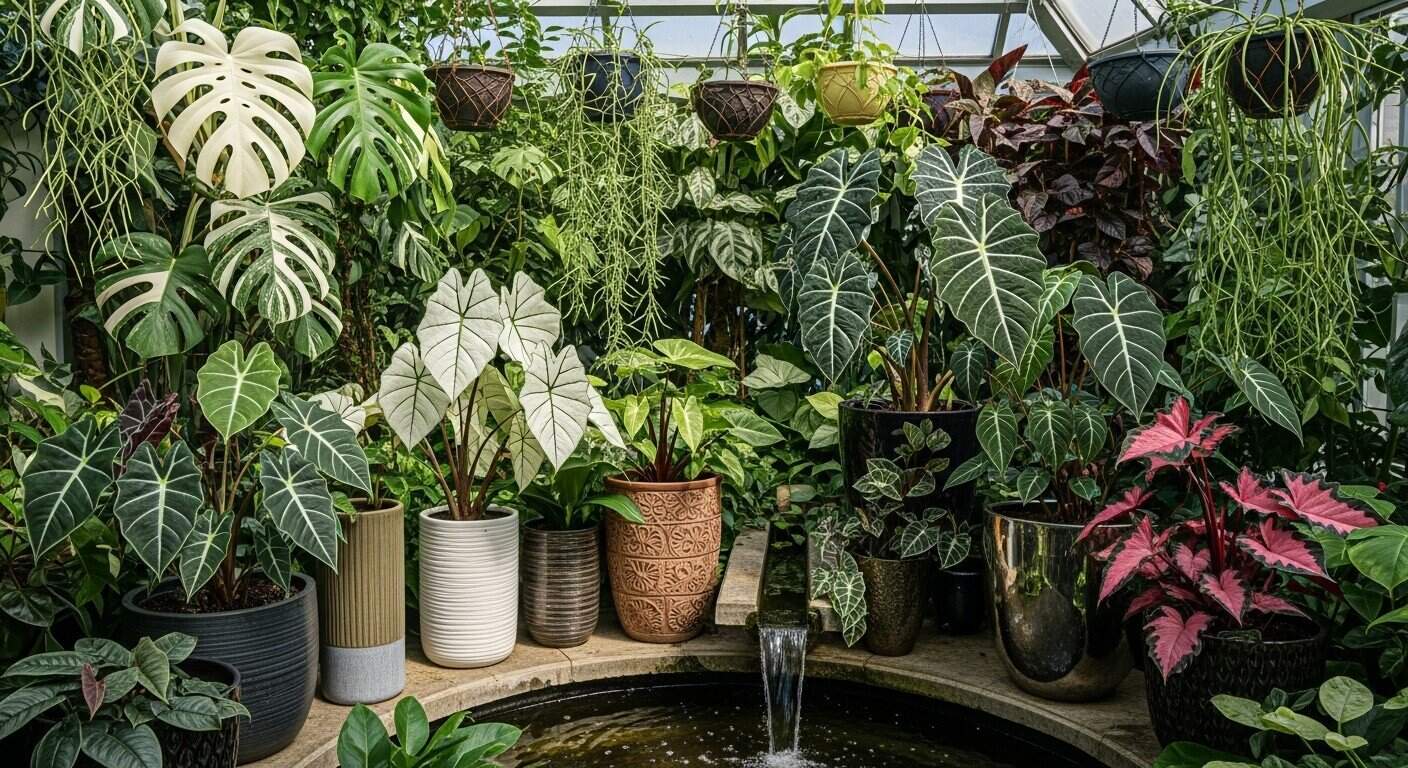
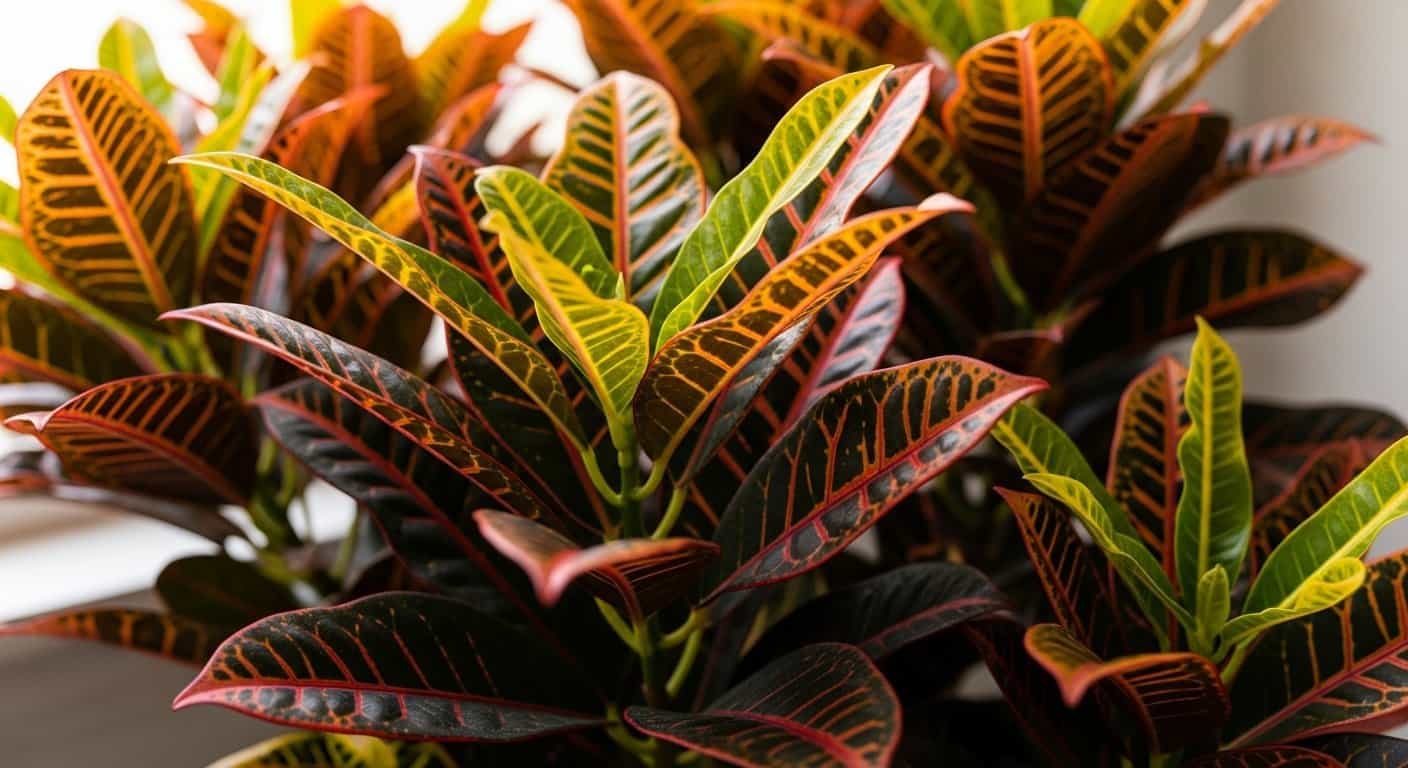
Quick summary
Humidity is not the same as wet soil
Humidity describes moisture in the air. Watering describes moisture in the potting mix. A fern may enjoy humid air while still developing root problems if its potting mix stays soggy.
| Need | What it means | Common mistake |
|---|---|---|
| Higher humidity | More moisture around leaves | Misting constantly but ignoring light and soil |
| Even moisture | Potting mix does not fully dry for moisture-loving plants | Keeping roots wet with no oxygen |
| Drainage | Water can leave the pot after watering | Using decorative no-hole containers |
| Airflow | Moist air does not become stagnant | Crowding plants until pests and fungal issues appear |
PlantasticHaven guide
Best plants for humid indoor environments
| Plant | Humidity preference | Best placement |
|---|---|---|
| Bird’s nest fern | Moderate to high | Bright bathroom, kitchen shelf, humid plant corner |
| Boston fern | High | Bright humid room away from drying vents |
| Calathea and maranta | Moderate to high | Warm bright indirect light with consistent care |
| Fittonia | High | Terrarium-style setups or small humid corners |
| Anthurium | Moderate to high | Bright indirect light with chunky airy mix |
| Orchid | Moderate to high | Bright windowsill, bark mix, excellent drainage |
| Alocasia | Moderate to high | Bright warm room; more advanced care |
| Philodendron | Moderate | Bright indirect light, climbing support for many types |
PlantasticHaven guide
How to increase humidity without causing problems
The best humidity strategy is consistent and measurable. A small humidifier and hygrometer are usually more useful than random misting.
- Group compatible plants together to create a slightly more humid microclimate.
- Use a humidifier in rooms that stay very dry, especially in winter.
- Use pebble trays only as a small supplement, not a miracle fix.
- Keep plants away from heating and cooling vents.
- Maintain airflow so damp soil does not attract fungus gnats.
PlantasticHaven guide
Best rooms for humidity-loving plants
Bathroom
Great if there is a window or grow light. Use the bathroom guide for no-window limitations.
Kitchen
Often brighter and slightly more humid; good for pothos, herbs, and compact tropicals.
Plant cabinet
Best for advanced collectors who can manage airflow and pest monitoring.
Bedroom
Use humidity-loving plants only if you can provide light and avoid wet soil near bedding.
PlantasticHaven guide
Humidity plant mistakes
- Buying calathea for a dry, dark room and expecting it to behave like pothos.
- Misting daily while the potting mix stays wet.
- Putting humidity-loving plants directly beside AC or heat vents.
- Crowding tropical plants so pests spread unseen.
- Ignoring pet toxicity because the plant looks soft and decorative.
Quick answers
FAQ
Do humidity-loving plants need to be watered more often?
Not always. They like humid air, but watering still depends on potting mix dryness, light, temperature, and root health.
Is misting enough for humidity-loving plants?
Misting has a short-lived effect. A humidifier, grouping plants, and avoiding vents are usually more reliable.
What is the easiest humidity-loving plant?
Pothos, spider plant, and many philodendrons are easier than calathea, alocasia, and delicate ferns.
Can humidity-loving plants grow in low light?
Some tolerate moderate or lower light, but most still need enough light to grow. Low light also means slower drying and higher overwatering risk.
References