 Skip to content
Office plant guide • Updated April 29, 2026
Amazon affiliate disclosure: PlantasticHaven may earn from qualifying purchases through Amazon links. These picks are matched to this specific guide because: lighting article with direct product need.
Relevant Amazon picks for Houseplants for Office Spaces: Low-Maintenance Desk, Floor, and Low-Light Picks
Start with the plant problem first, then choose only the supply that solves it. Skip any product that does not match your light, pot size, watering pattern, or plant condition.
Full-spectrum LED grow light
Adds usable light when windows are too dim or seasonal light drops.
Shop on AmazonThe best office plants tolerate imperfect light and irregular care
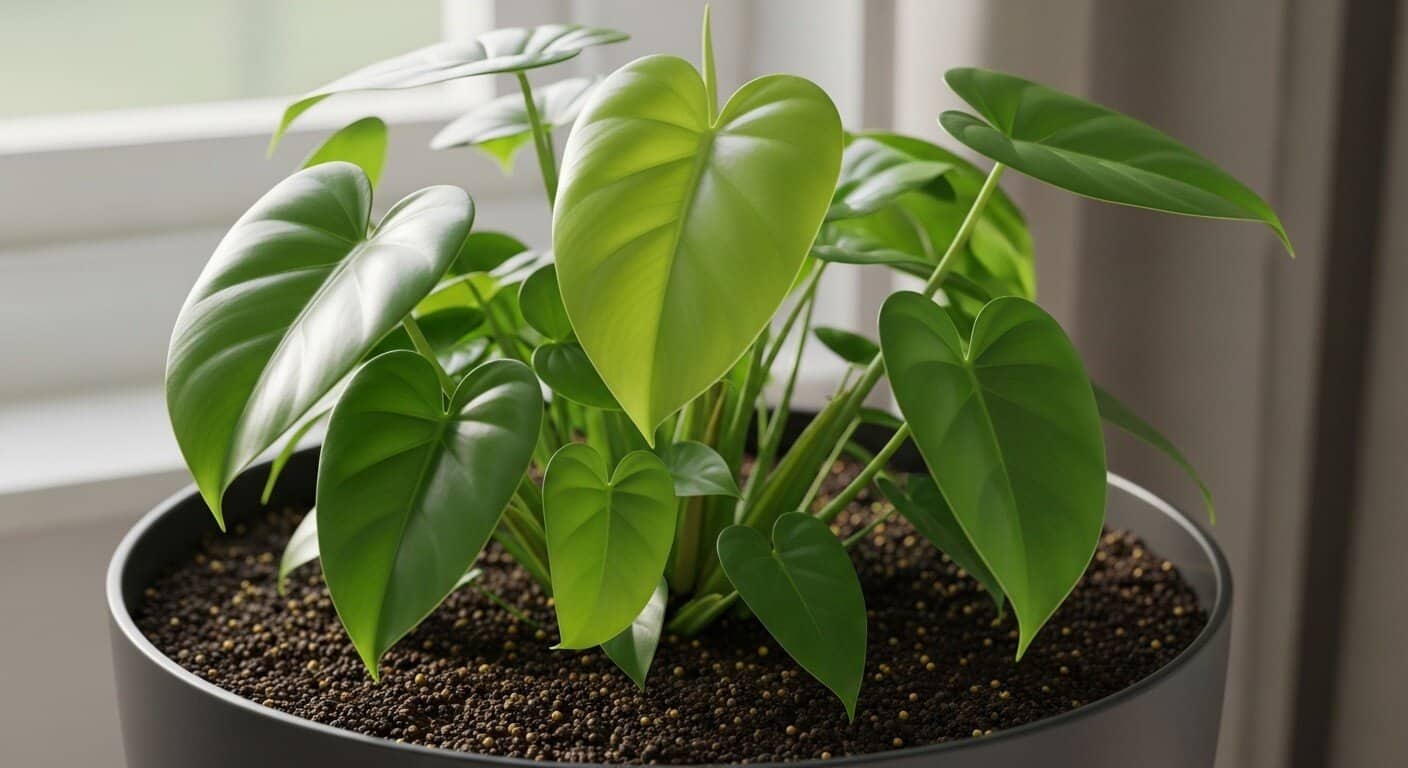
For office spaces, choose plants that handle low to medium indirect light, dry air, and occasional missed watering. ZZ plant, snake plant, pothos, Chinese evergreen, peace lily, and small philodendrons are safer than fussy tropical statement plants.
| Office situation | Best plant type | Why it works |
|---|---|---|
| No window desk | ZZ plant or snake plant | High tolerance, slow growth |
| Bright reception area | Philodendron or pothos | Fuller growth and softer look |
| Conference room | Floor snake plant | Clean shape, low mess |
FAQ
What is the easiest office plant? ZZ plant is one of the easiest because it tolerates lower light and infrequent watering.
Can office plants survive fluorescent light? Some can, especially if the lights stay on for a full workday, but growth is usually slower.
PlantasticHaven care guide · Updated 2026
Best Office Plants by Light, Desk Size & Maintenance Level
A practical office-plant guide for desks, cubicles, reception areas, low-light corners, and air-conditioned rooms.

Quick summary
What makes a plant good for an office?
A strong office plant is not just attractive. It tolerates imperfect routines and still looks presentable between care days.
- Slow to moderate growth so it does not outgrow the desk quickly.
- Tolerates lower indoor light or fluorescent lighting.
- Does not drop messy leaves constantly.
- Can recover from a missed watering better than fragile tropical plants.
- Fits the available container size and does not block screens or walkways.
- Is chosen with pets, children, and workplace policies in mind.
PlantasticHaven guide
Best office plants by situation
| Office situation | Best plants | Why they fit |
|---|---|---|
| Small desk | Peperomia, small pothos, spider plant baby, African violet | Compact, attractive, and easy to move for cleaning |
| Low-light cubicle | ZZ plant, snake plant, aglaonema, heartleaf philodendron | Tolerate lower light and slower growth conditions |
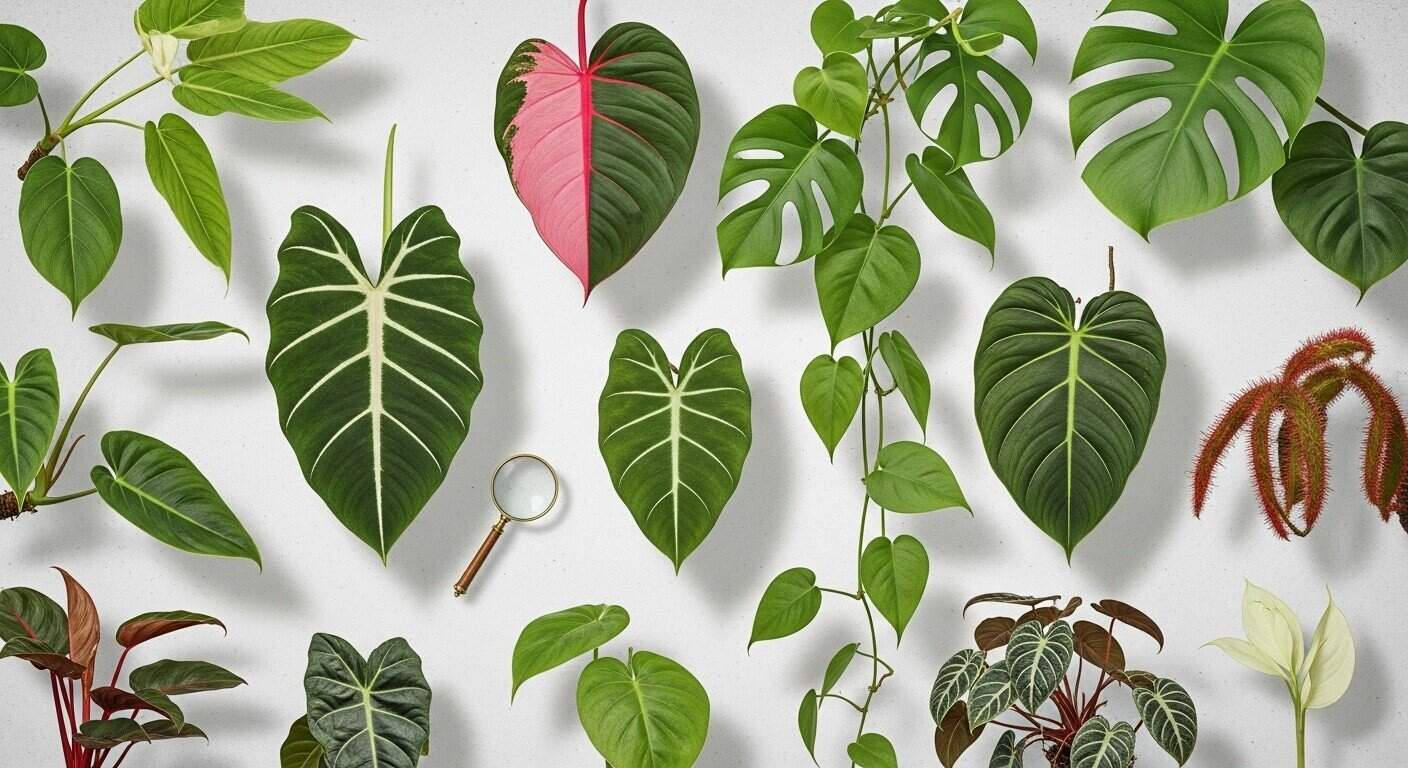
| Bright reception area | Parlor palm, rubber plant, philodendron, pothos on a shelf | Creates visual impact without needing daily care |
| Air-conditioned office | Snake plant, ZZ plant, pothos, peperomia | More tolerant of dry indoor air if kept away from direct vents |
| Shared office | Spider plant, parlor palm, peperomia | Generally safer choices when pets or visitors may be present, but verify species |
PlantasticHaven guide
Where to place office plants
Placement determines whether an office plant thrives or slowly declines. Keep plants out of direct vent airflow, away from heaters, and within reach of enough light.
- Put the plant where it receives the brightest available indirect light.
- Keep leaves at least several feet from direct AC or heating vents.
- Use a saucer or cachepot system that protects furniture but does not trap water around roots.
- Avoid placing plants where people brush against them all day.
- Rotate the plant every week or two if it leans toward the window.
PlantasticHaven guide
A simple office plant care calendar
Office plants need a low-friction routine because responsibility often gets shared. Put the care plan near the plant or in a team note.
| Task | Frequency | Notes |
|---|---|---|
| Check soil dryness | Weekly | Do not water automatically if the mix is still damp |
| Dust leaves | Every 2–4 weeks | Dust blocks light and makes pest checks harder |
| Inspect for pests | Weekly or biweekly | Check leaf undersides, stems, and soil surface |
| Rotate pot | Every 1–2 weeks | Helps balanced growth in window-lit rooms |
| Fertilize lightly | During active growth only | Skip fertilizer when plant is stressed or light is very low |
PlantasticHaven guide
Office plant mistakes that kill good plants
The most common office mistake is “kindness watering”: multiple coworkers water the same plant because they assume someone forgot.
- No assigned plant owner or care log.
- Watering on Fridays before a weekend even when soil is wet.
- Placing plants directly under vents.
- Choosing high-light plants for a windowless cubicle.
- Using decorative containers with no drainage strategy.
- Ignoring pests until several office plants are infested.
When pests appear, isolate the plant and use the organic pest-control workflow.
Quick answers
FAQ
What is the best office plant for low light?
ZZ plant, snake plant, aglaonema, pothos, and heartleaf philodendron are common low-light-tolerant office choices, but they still need some usable light.
Can plants survive in a windowless office?
Some plants can tolerate office lighting for a time, but no plant thrives in true darkness. Use a grow light if there is no natural light.
How often should office plants be watered?
Check weekly, but water only when the potting mix is ready. Office conditions vary too much for a fixed schedule.
Are office plants good for productivity?
They can make a workspace feel more pleasant, but avoid exaggerated productivity or air-purification claims unless you have strong evidence.
References
Sources and editorial guardrails
Clear takeaway: office plants should be chosen for light, maintenance, and workspace tolerance
Short answer: The best office houseplants tolerate inconsistent care, indoor light, dry air, and weekends without attention. Choose plants that fit the desk, floor space, or meeting area instead of selecting by appearance alone.
How to use this guide
- Match plants to available light and watering reliability.
- Use low-mess containers and stable placements.
- Avoid fussy humidity-dependent plants in dry offices.