Amazon affiliate disclosure: PlantasticHaven may earn from qualifying purchases through Amazon links. These picks are matched to this specific guide because: room/use-case guide where setup products are useful but not mandatory.
Relevant Amazon picks for Houseplants for Mental Health: Low-Care Plants for Calmer Spaces
Start with the plant problem first, then choose only the supply that solves it. Skip any product that does not match your light, pot size, watering pattern, or plant condition.
Compact full-spectrum grow light
Useful when the room’s best plant location is not close to a bright window.
Houseplants for Mental Health: Low-Care Plants for Calmer Spaces
A careful, helpful guide to using indoor plants as supportive environmental cues—not as a replacement for mental health care.
Quick answer: Houseplants can support a calmer space when they are easy to keep alive, visible during daily routines, and matched to your light. The best choices are low-pressure plants such as pothos, spider plant, parlor palm, peperomia, ZZ plant, snake plant, and heartleaf philodendron. For a stress-free setup, pair this guide with easy beginner plants and bedroom plant placement ideas.
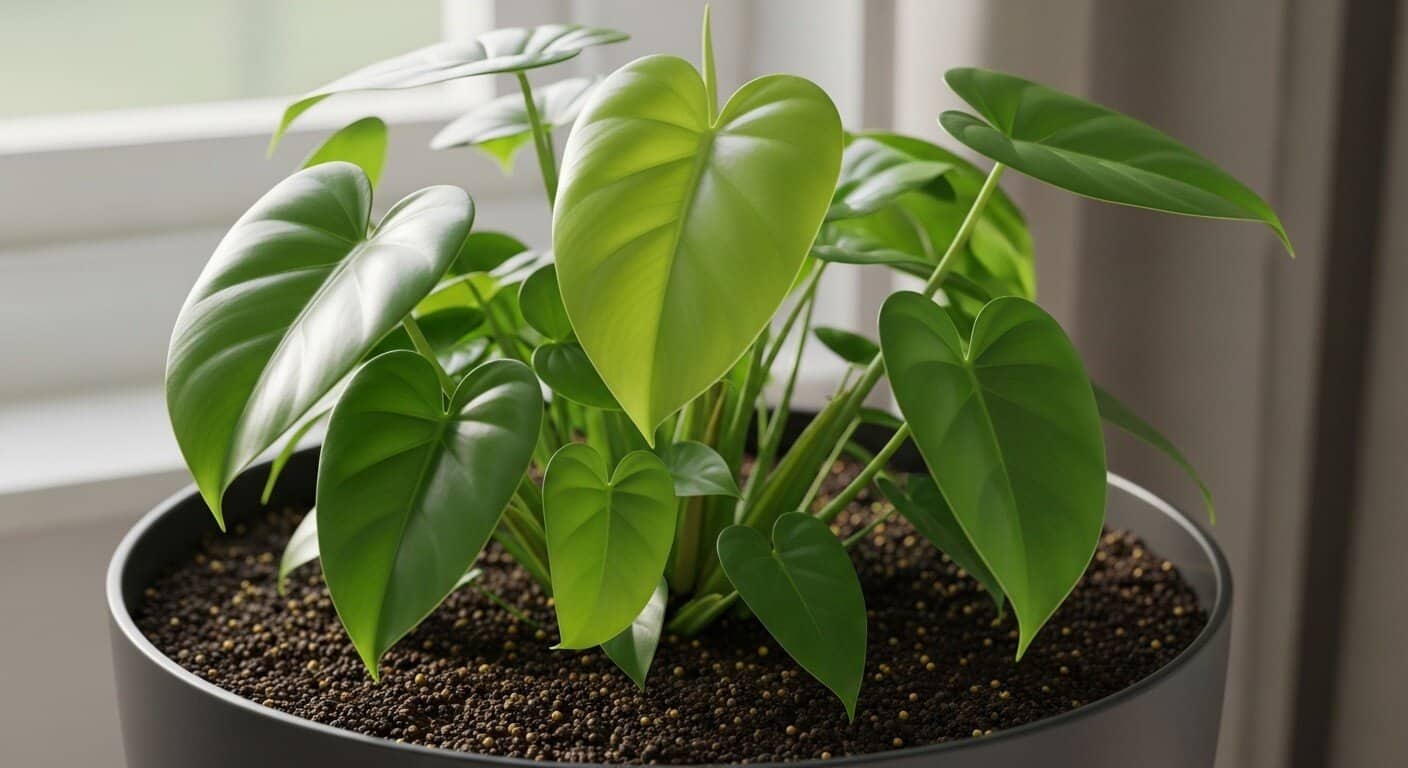
Bedroom styled with lush indoor plants in bright indirect lightHealthy heartleaf philodendron-style foliage in a pot near a bright windowDog and cat near houseplants in a bright pet-friendly room
Quick summary
Best overall
Pothos or spider plant: fast feedback, forgiving care, easy propagation.
Lowest maintenance
ZZ plant or snake plant: good for busy weeks and low watering frequency.
Pet-safer route
Spider plant, parlor palm, peperomia, African violet, and many calatheas after ASPCA verification.
PlantasticHaven guide
The best mental-health plant is one you can realistically keep alive
A plant that constantly wilts, attracts pests, or needs advanced humidity control will not make your space feel calmer. Start with plants that forgive missed care and visibly respond to simple routines.
Choose plants that match your light before choosing by appearance.
Keep the number small: one healthy plant beats ten stressful ones.
Put plants where you naturally look: desk edge, windowsill, bedside table, entry shelf.
Avoid fussy plants during stressful seasons of life.
Treat plant care as a small reset ritual, not a performance.
These plants work because their care rhythm is simple and their visual presence is strong.
Plant
Best placement
Why it supports a calmer room
Care warning
Pothos
Desk shelf, bookcase, hanging planter
Trailing growth softens hard lines and gives visible progress
Not pet-safe if chewed
Spider plant
Hanging basket, bright shelf
Fast growth and baby plantlets make progress feel visible
Cats may play with it; hang it high
ZZ plant
Office, bedroom corner, low-light apartment
Looks polished with very little input
Do not overwater
Snake plant
Bedroom, entry, minimal room
Architectural shape, low watering needs
Toxic if eaten by pets
Parlor palm
Bedroom, living room, pet household
Soft palm texture and pet-safer profile
Avoid hot dry vents
Peperomia
Desk, nightstand, small shelf
Compact, friendly, and usually low drama
Needs drainage and moderate light
PlantasticHaven guide
How to design a calm plant corner
Use plants to make one area easier to breathe in visually. You do not need a full jungle. A calm plant corner uses repetition, clean lines, and accessible care.
Pick one anchor plant at eye level or floor level.
Add one trailing plant to soften edges.
Add one small tactile plant on a desk or nightstand.
Use matching saucers or cachepots to reduce visual clutter.
Keep a small care tool nearby: cloth, watering can, moisture note, or pruning scissors.
Low-stress rule: If a plant adds guilt every time you see it, simplify. Move it to better light, replace it with an easier species, or give it away. Plant care should support the room, not dominate it.
PlantasticHaven guide
A 5-minute weekly care routine
The routine matters more than the species. Use the same simple check each week.
Look first: are leaves firm, upright, and normally colored?
Touch the soil: dry at the correct depth or still damp?
Check the underside of a few leaves for pests.
Remove dead leaves and wipe dust from broad leaves.
Water only if the potting mix is ready.
This small ritual also prevents plant problems from becoming emotionally overwhelming. For details, use the complete indoor plant care routine.
PlantasticHaven guide
Health claims to avoid and better language to use
Plants can make indoor spaces more pleasant, support routines, and provide visual contact with nature. They should not be described as a treatment for anxiety, depression, insomnia, or any health condition.
Use: “Plants may support a calmer environment and a more pleasant care routine.” Avoid: “This plant cures anxiety,” “improves sleep quality,” or “removes negative energy.”
Good content earns trust by being useful and modest. That is also better for AI visibility because answer systems prefer cautious, reliable claims.
Quick answers
FAQ
What is the best houseplant for mental health?
For most people, pothos or spider plant is the best starting point because they are forgiving, visible, and easy to propagate. The best choice is the plant that fits your actual room and routine.
Can plants cure anxiety or depression?
No. Houseplants can support a calmer environment and routine, but they are not medical treatment. Seek qualified professional support for mental health concerns.
How many plants should I start with?
Start with one to three plants. A small healthy setup is calmer than a large collection that becomes hard to manage.
What if plant care stresses me out?
Choose tougher plants, reduce the number, improve light, and stop trying to save every struggling plant. The goal is a supportive space, not perfection.