
Quick answer: Water a snake plant only after the potting mix has dried well down into the pot. Water thoroughly, let the excess drain, then wait. Frequency depends on light, temperature, soil density, pot size, and season, so checking dryness is safer than following a fixed weekly or monthly schedule.
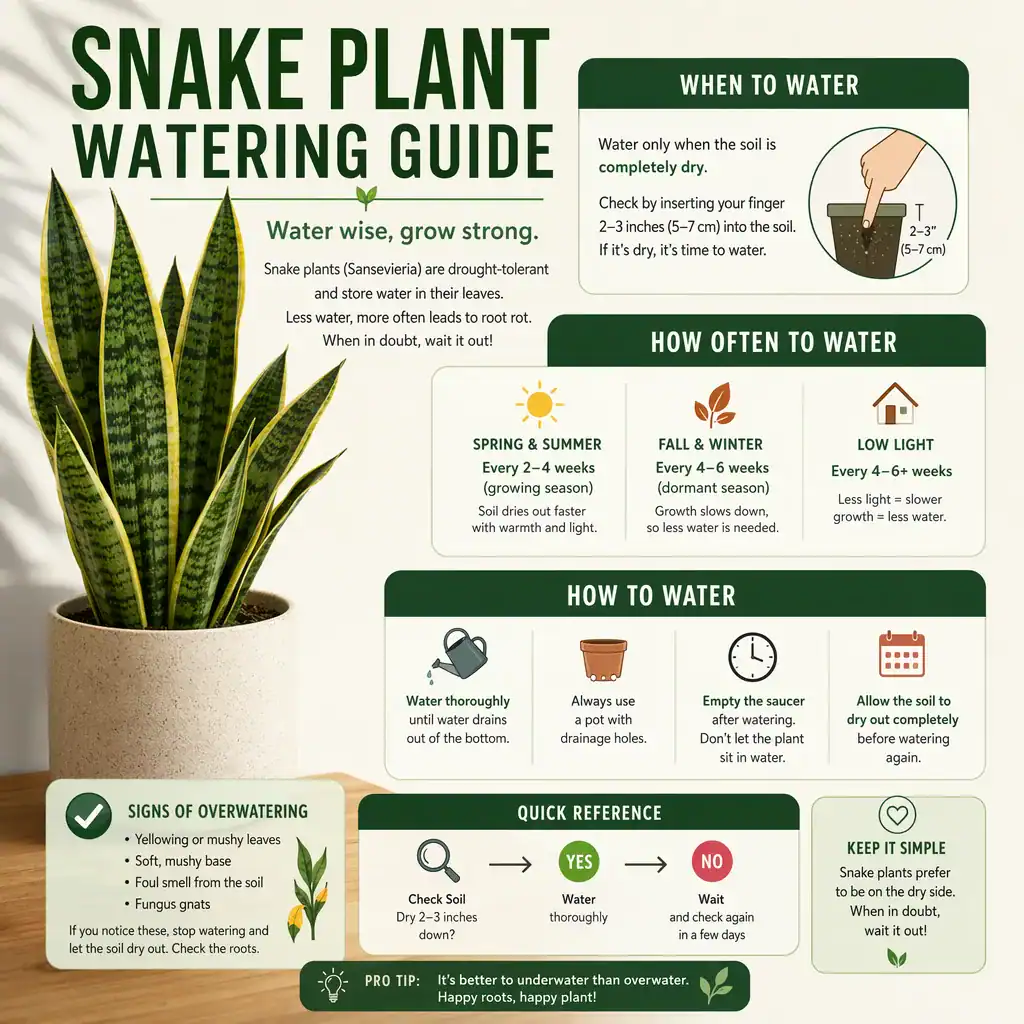
Snake plant watering decision tree
Use this table every time you think the plant may need water. Drooping or yellowing alone is not enough; the root zone decides.
| Signal | Likely cause or best fit | How to confirm | Best next step |
|---|---|---|---|
| Top dry, lower mix damp | Not ready | Skewer or meter is damp below the surface | Wait and recheck in several days |
| Mix dry several inches down, pot feels light | Ready to water | Leaves are firm or slightly thinner, soil is dry | Water thoroughly and drain completely |
| Wet soil plus yellow or soft bases | Overwatering risk | Pot is heavy, sour smell, or leaf bases soften | Stop watering and inspect drainage or roots |
| Bone-dry mix pulling from pot edge | Severe dryness | Water runs down sides without soaking | Rehydrate slowly in stages |
| Winter, low light, large pot | Slow drying conditions | Soil remains cool and damp longer | Increase time between checks and avoid routine watering |
Why this rewrite can win the watering query
The target searcher wants a simple answer but also needs a decision system. This rewrite gives the answer in the first paragraph, then explains how to adapt it to bright windows, dark rooms, terracotta, plastic, dense soil, winter, and oversized pots.
For AEO and GEO, the article avoids one-size-fits-all intervals and uses extractable statements: water when dry, water thoroughly, drain completely, reduce frequency in low light, and inspect roots if soft yellow leaves appear with wet soil.

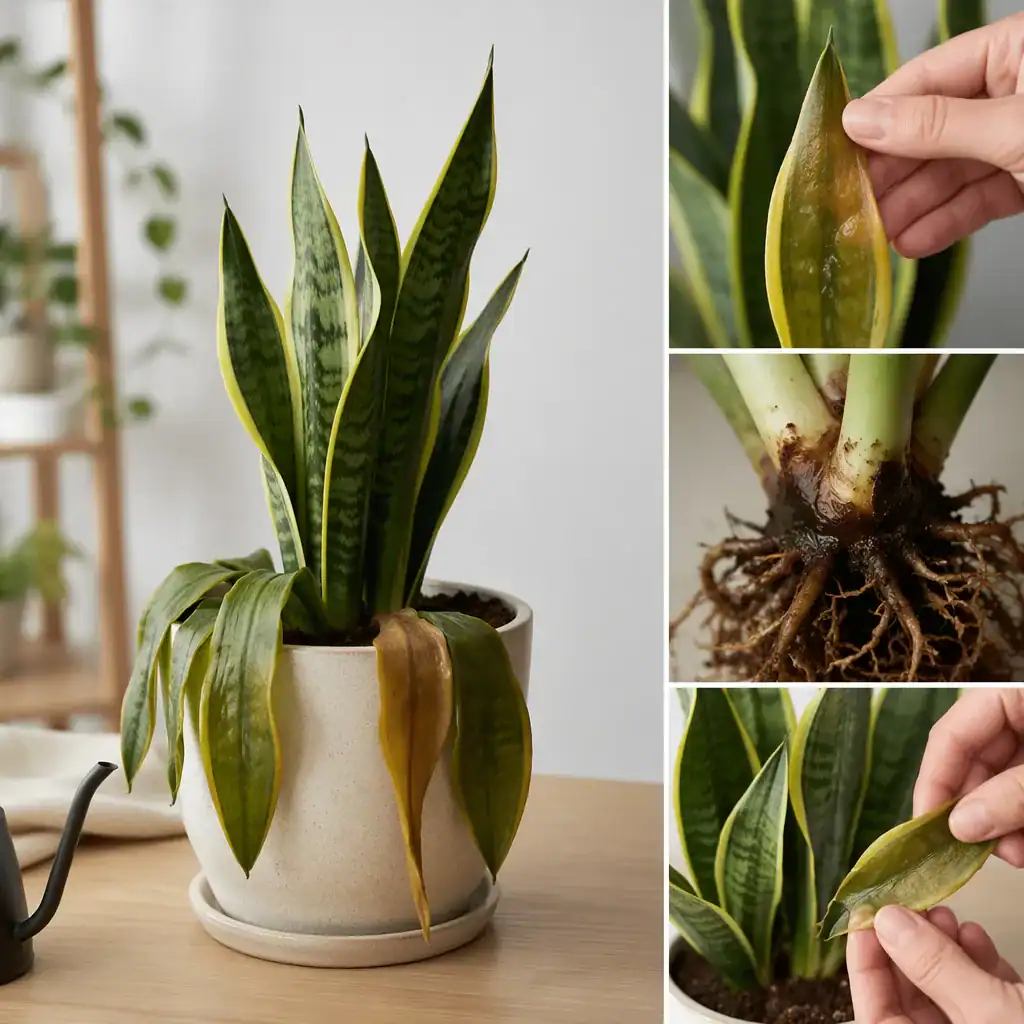
Why fixed schedules fail
A snake plant in bright warm light and terracotta may dry much faster than one in a dim room, plastic pot, or dense mix. A fixed schedule can underwater one plant and overwater another.
Overwatering is usually frequency, not volume
One thorough watering is not the usual problem. The problem is watering again before the root zone has dried enough to breathe.
Underwatering still happens
Severe drought can wrinkle or curl leaves, especially if the potting mix becomes hydrophobic. The fix is slow rehydration, not daily panic watering.
Step-by-step practical instructions
Follow these steps every watering cycle.
Use your finger, skewer, or meter several inches down instead of trusting the dry top crust.
Learn the weight difference between a recently watered pot and a dry pot.
Pour in stages so the mix absorbs evenly instead of channeling down the sides.
Let water run from the holes and empty any saucer or cachepot.
Note how many days drying took in this specific location and season.
Any change in light, pot, soil, or season resets the watering rhythm.
Common mistakes and troubleshooting
Watering because the top inch is dry
The lower root zone can still be damp even when the surface looks dry.
Leaving water in a decorative pot
Standing water keeps roots wet and oxygen-starved.
Watering less deeply but more often
Small frequent splashes keep the upper mix damp while roots stay unevenly hydrated.
Using a moisture meter blindly
Meters are useful, but confirm with pot weight and soil feel.
Pet safety, toxicity, and household-risk notes
Watering-related rescue work often exposes cut leaves and rhizomes. Keep discarded plant pieces away from pets and children.
Helpful plant-care products
Amazon affiliate disclosure: PlantasticHaven may earn from qualifying purchases through these links. Each button uses the affiliate tag papalex-20. Product images below are actual product imagery from verified manufacturer or major-retailer product pages; for full Amazon Associates compliance, refresh price, availability, ratings, and Amazon-hosted images through Amazon PA-API before publishing dynamic claims.
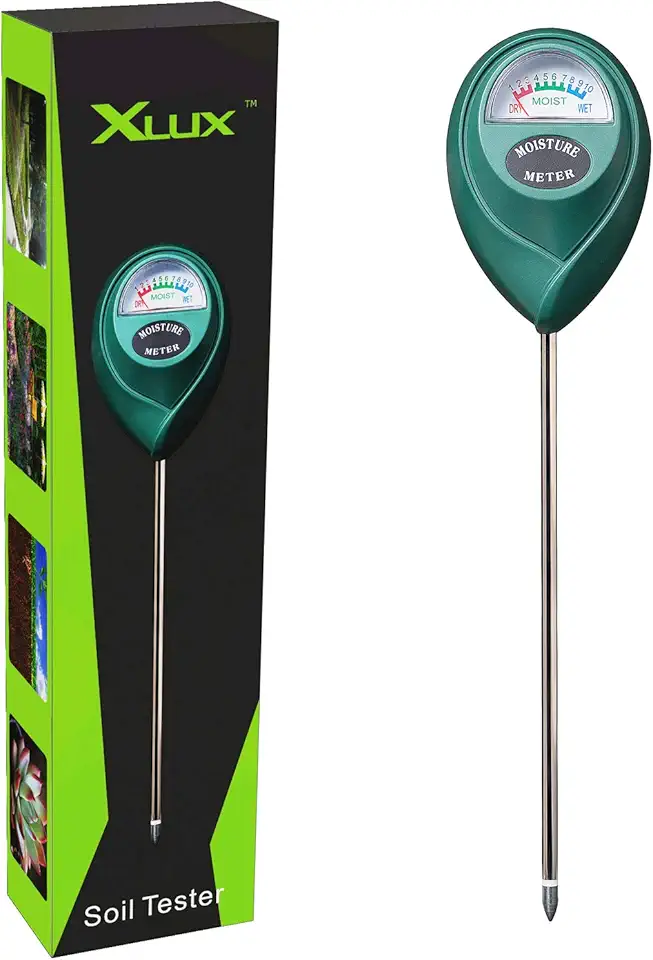
XLUX Soil Moisture Sensor Meter, 2-Pack
Buyer-risk note: Never leave probes in soil permanently and do not force them through hard, rocky mix.
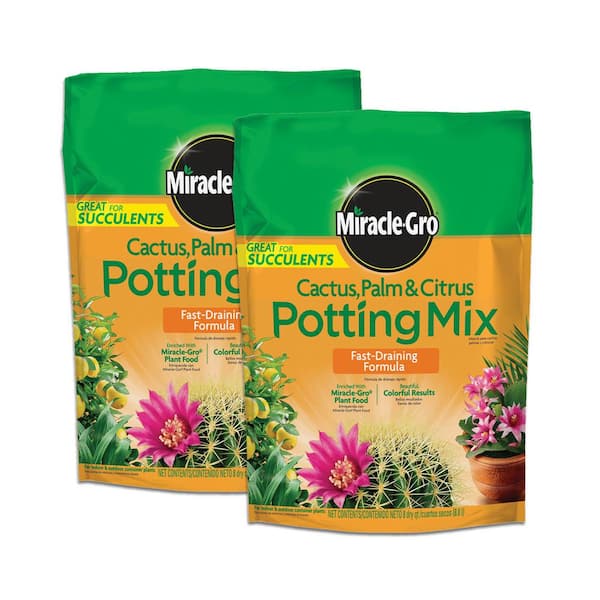
Miracle-Gro Cactus, Palm & Citrus Potting Mix, 8 qt. 2-Pack
Buyer-risk note: Do not use it as an excuse to water frequently; even fast-draining mixes can stay wet in oversized pots.
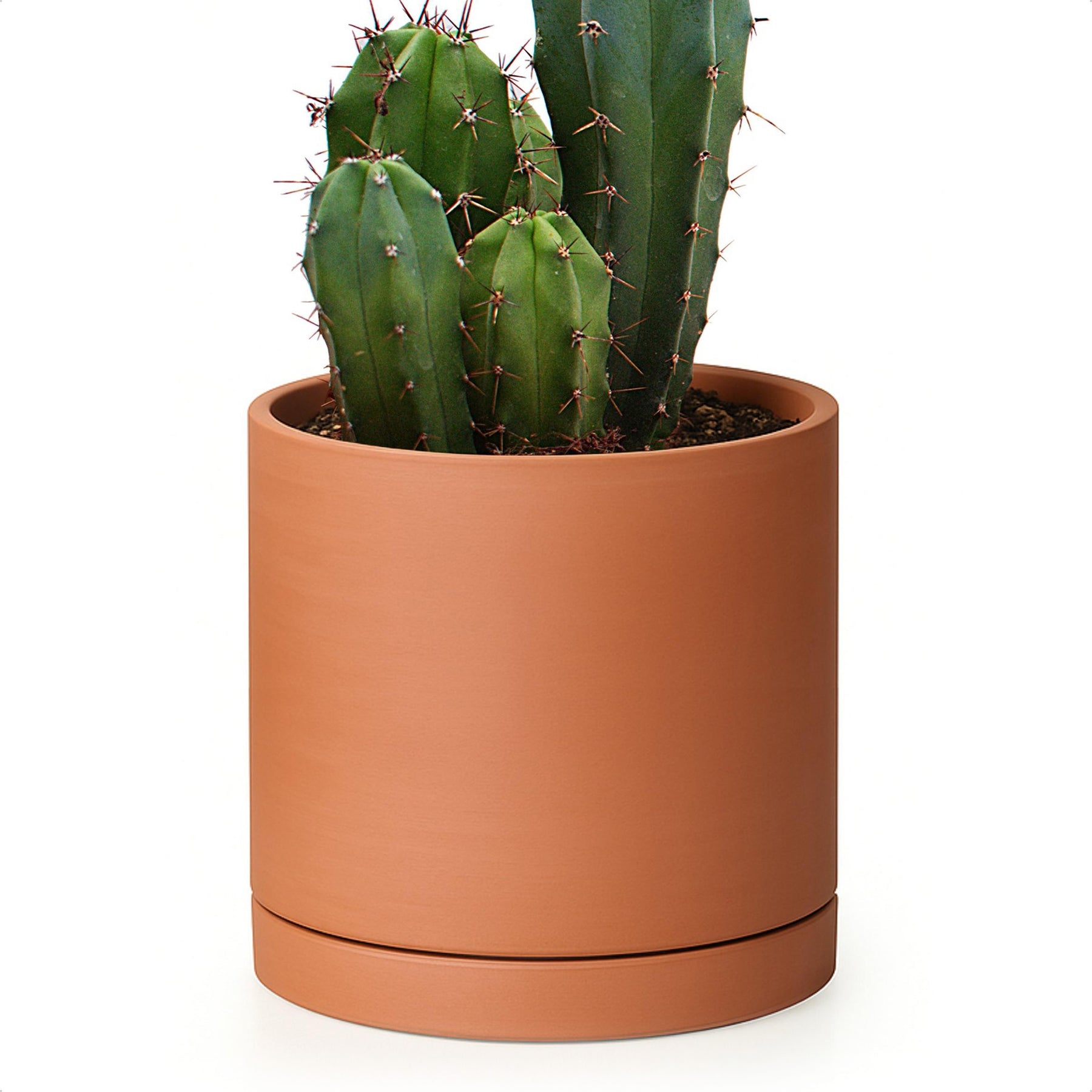
D'vine Dev 6 in. Terracotta Plant Pot with Drainage Hole and Saucer
Buyer-risk note: Terracotta dries faster, so check moisture after switching pot materials instead of copying the old schedule.
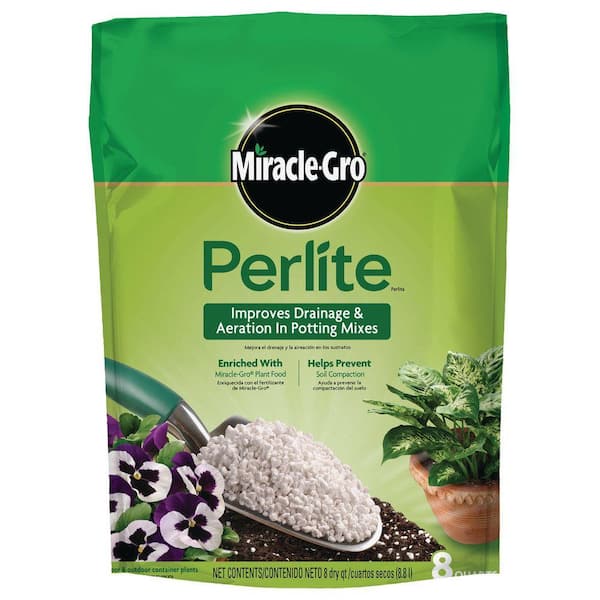
Miracle-Gro Perlite, 8 qt.
Buyer-risk note: Wear a mask when mixing dusty amendments and moisten lightly before handling.
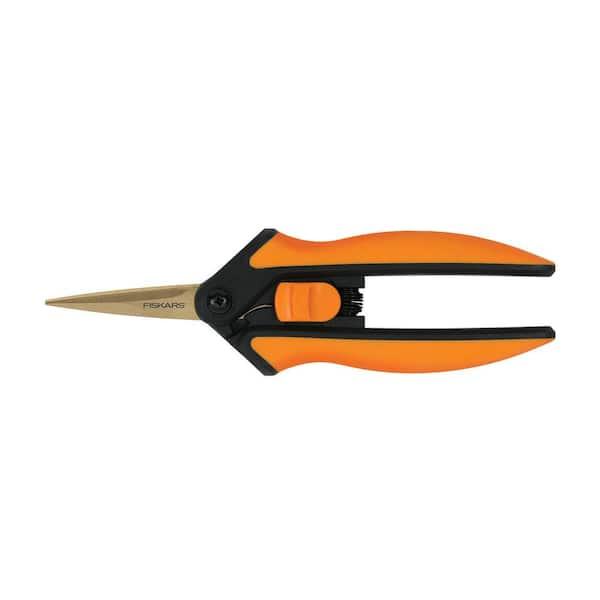
Fiskars 6 in. Micro-Tip Pruning Snips
Buyer-risk note: Disinfect before and after rescue cuts so rot or pests are not spread plant-to-plant.
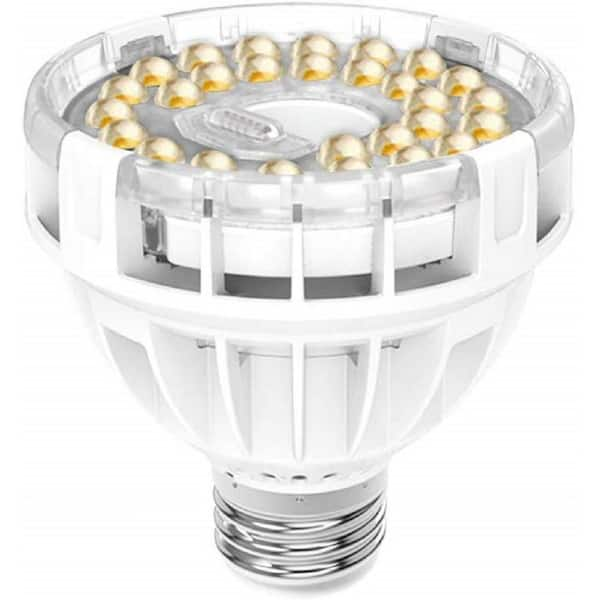
SANSI 10W Full Spectrum LED Grow Light Bulb, E26
Buyer-risk note: Avoid placing leaves too close; increase light gradually to prevent stress or scorch.
Helpful YouTube video
This video gives a visual explanation of snake plant watering, soil, and light so readers can see the dry-down logic in practice.
FAQ
Can I water a snake plant once a month?
Maybe, but the interval is less important than dryness. A plant in a dim cool room may need less often, while a bright warm plant may dry sooner.
Should I soak a snake plant when I water?
Water thoroughly when the mix is dry, then let all excess drain. The danger is watering too often, not a proper deep watering.
How do I know if I overwatered?
Wet soil, yellowing near the base, soft leaves, sour smell, or mushy roots are the strongest warning signs.
Can bottom watering work?
It can work if the mix dries between waterings and you dump leftover water. Do not let the pot sit in water indefinitely.
Why is my snake plant soft even though I watered less?
Root damage can lag behind the original overwatering. Inspect the roots and rhizomes if leaves stay soft.