
If you keep seeing both names online, here’s the simple answer: airplane plant and spider plant usually refer to the same plant group, Chlorophytum comosum. In everyday houseplant language, “airplane plant” is a nickname that comes from the dangling baby plantlets that hang from long runners. “Spider plant” is the more common name.
So this comparison is less about two completely different plants and more about what people usually mean when they use each label, what growth habit to expect, and how to care for the plant well indoors.
Quick answer
- Spider plant is the standard common name for Chlorophytum comosum.
- Airplane plant is a nickname often used for the same plant, especially when it sends out baby plantlets on arching stems, also called runners or stolons.
- If you want an easy, pet-friendly, fast-propagating houseplant, this plant is still one of the best beginner choices.
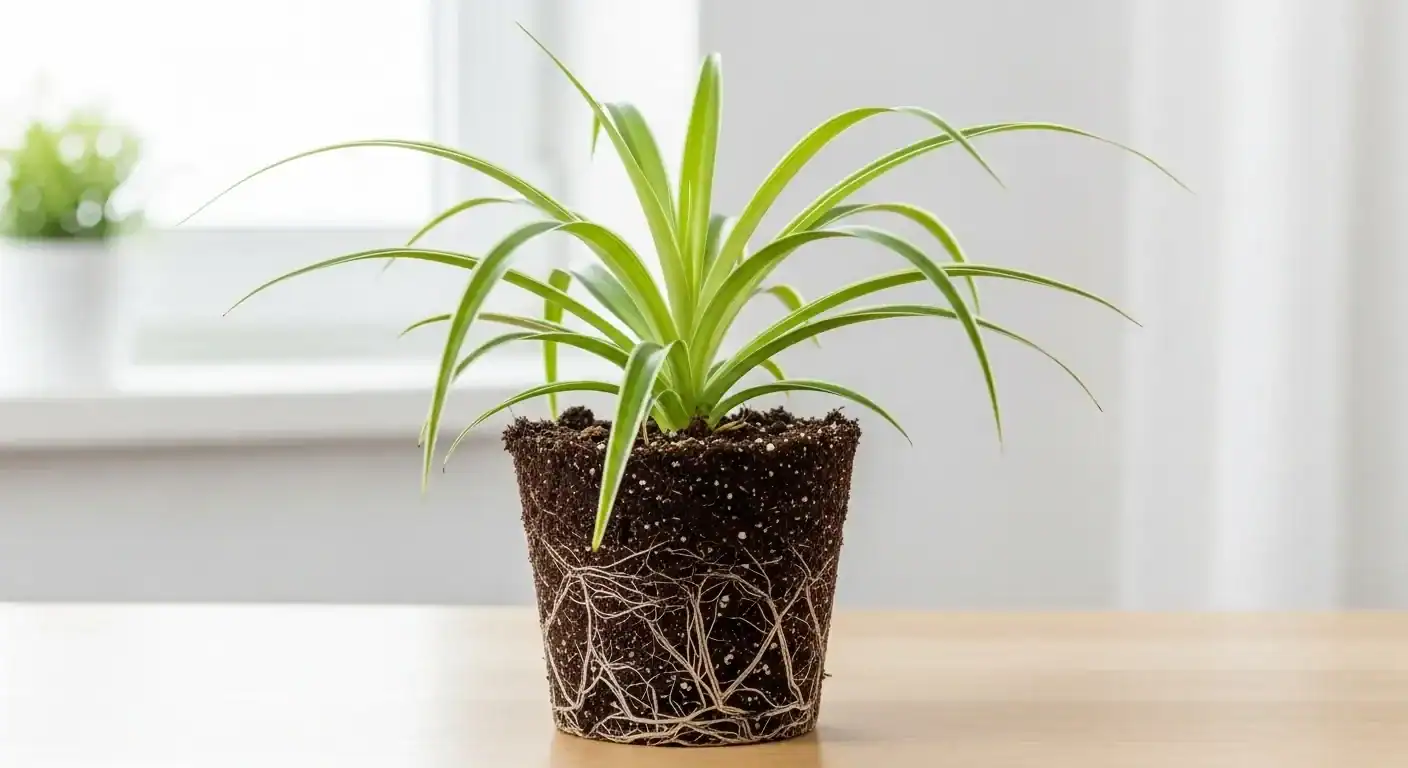
Airplane plant vs spider plant: what is the actual difference?
For most readers, there is no meaningful botanical difference. The names are commonly used for the same plant. What changes is how sellers, bloggers, or gardeners describe it:
- Spider plant is the broader, more widely recognized common name.
- Airplane plant usually highlights the way offsets hang from the mother plant like little propellers or planes.
- Both names are most often applied to green or variegated forms of Chlorophytum comosum.
How to identify the plant
If the plant has these traits, you are almost certainly looking at a spider plant, whether the label says airplane plant or not:
- Long, narrow, arching leaves
- Solid green or striped variegation
- A clumping base with thick, fleshy roots
- Long runners that produce baby plantlets
If you want a deeper look at varieties, see our guide to the spider plant family.
Growth habit and care expectations
| Trait | What to expect |
|---|---|
| Light | Bright indirect light is best, but the plant tolerates medium light well; in low light, growth slows and the soil tends to stay wet longer. |
| Water | Water when the top inch of soil feels dry. Avoid keeping the mix soggy, especially in a cachepot or decorative pot without fast drainage. |
| Humidity | Average indoor humidity works, though extra humidity can reduce brown tips. |
| Propagation | One of the easiest houseplants to propagate from babies. |
| Pet safety | Generally considered non-toxic to cats and dogs. |
If your plant is struggling, our guides on overwatered spider plants, trimming spider plants, and green spider plant care can help you troubleshoot faster.
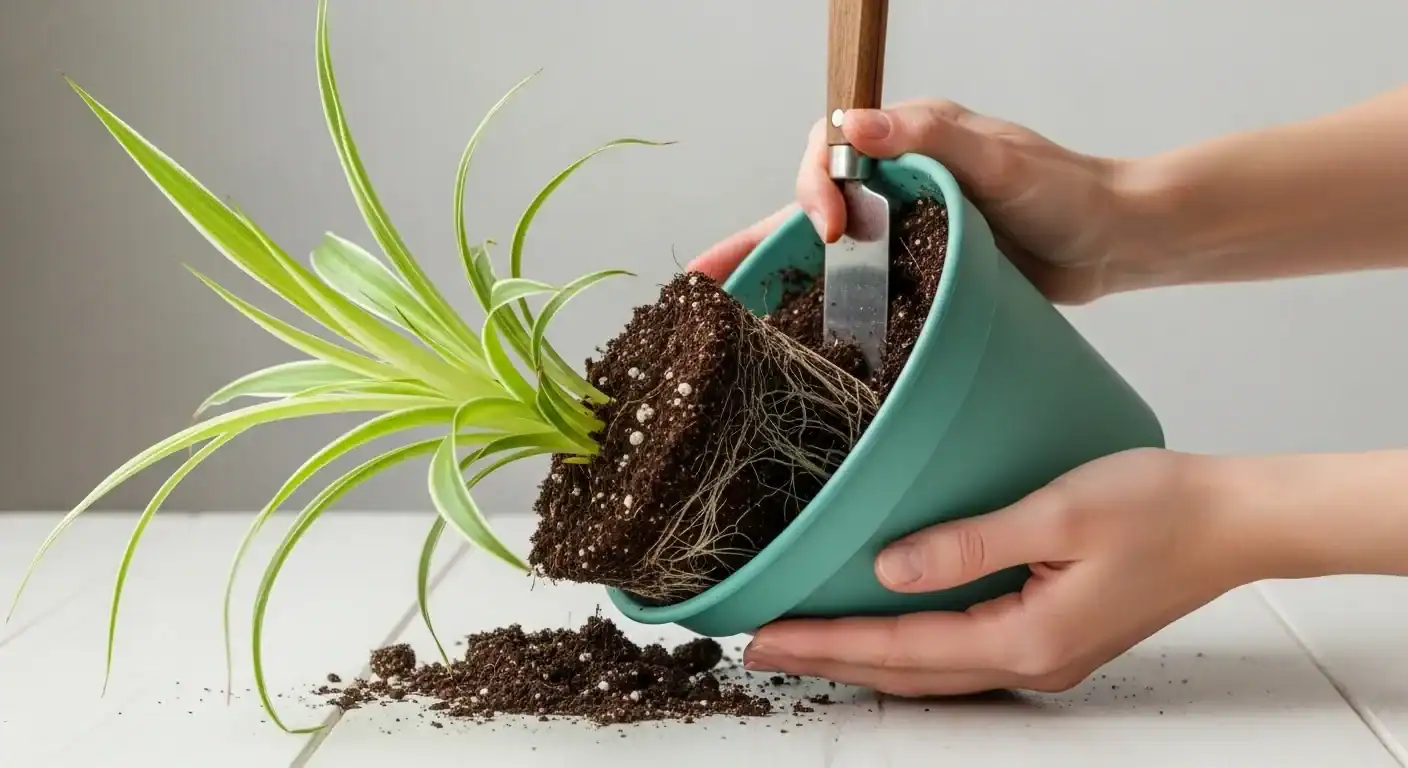
When the nickname matters most
The “airplane plant” nickname becomes most useful when the plant is mature enough to send out long runners with baby plantlets. That trailing, layered look is one reason the plant works so well in hanging baskets or on elevated shelves.
If your plant is not producing babies yet, it may simply need more maturity, steadier bright light, or slightly snug roots before it starts pushing runners.
📹 Helpful video
This video is worth keeping because it reinforces the basic care habits behind healthy spider-plant growth, especially if you are deciding whether your “airplane plant” label is just another name for the same easy-care houseplant.
Bottom line
Bottom line: if a listing says airplane plant, most buyers should read it as spider plant unless the seller clearly names a different species or cultivar.
In most cases, airplane plant and spider plant are the same plant. If you see either label, think Chlorophytum comosum: an easy, forgiving houseplant with arching leaves, pet-safe appeal, and baby plantlets that make propagation simple.
If you want a classic beginner houseplant that looks good in pots or hanging planters, this is still one of the safest bets.