
Spider plants belong to the Chlorophytum group, with Chlorophytum comosum being the houseplant most people know. The main differences you will see at home are leaf pattern, color, and growth habit, not radically different care needs. If you want a low-drama plant that is beginner-friendly, pet-safe, and easy to propagate, the spider plant family is one of the safest places to start.
What is the spider plant family?
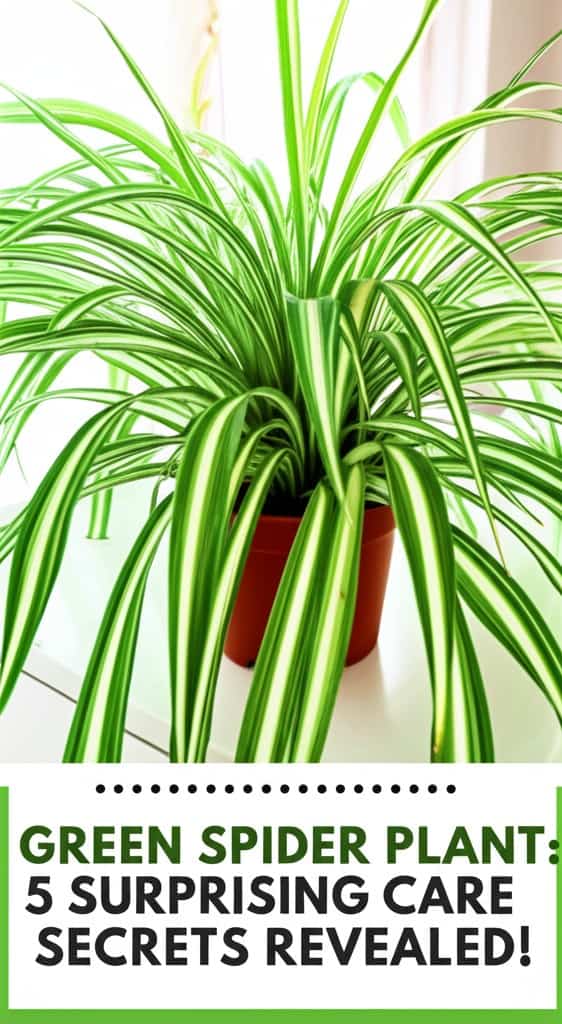
In practical houseplant terms, the “spider plant family” means Chlorophytum comosum and its close cultivated forms. You will usually see it sold as spider plant, airplane plant, or ribbon plant. Most indoor varieties share the same core strengths:
- easy care for beginners
- fast production of offsets or “babies”
- strong tolerance for average indoor humidity
- non-toxic status for cats and dogs according to ASPCA guidance
The biggest choice is not whether one variety is hard and another is easy. It is whether you want a clean green look, striped variegation, or a curlier decorative shape.
Most common spider plant types and varieties
1. Solid green spider plant
This form has plain green leaves and a slightly cleaner, simpler look. It can feel less flashy than striped forms, but many growers love it because it looks lush and forgiving. If you like classic foliage plants, this is a strong pick.
2. Variegated spider plant
This is the version many people picture first: arching leaves with cream or white striping. It brightens shelves, plant stands, and hanging baskets. Variegated types usually need good bright indirect light to keep their striping crisp.
3. Curly spider plant
Curly forms, often sold under names like Bonnie spider plant, twist and coil instead of falling in straighter ribbons. They are especially useful when you want a more decorative silhouette in a compact space.
4. Wider-leaf and specialty forms
You may also see less common spider plant selections with broader leaves, heavier striping, or slightly different growth habits. These are still close enough in care that most owners can treat them with the same basic routine and adjust only for light and watering speed.
Spider plant care basics that work for almost every type
| Care factor | Best baseline |
|---|---|
| Light | Bright indirect light; tolerates medium light, but low light slows drying and can leave the mix damp longer |
| Water | Water after the top inch of soil dries |
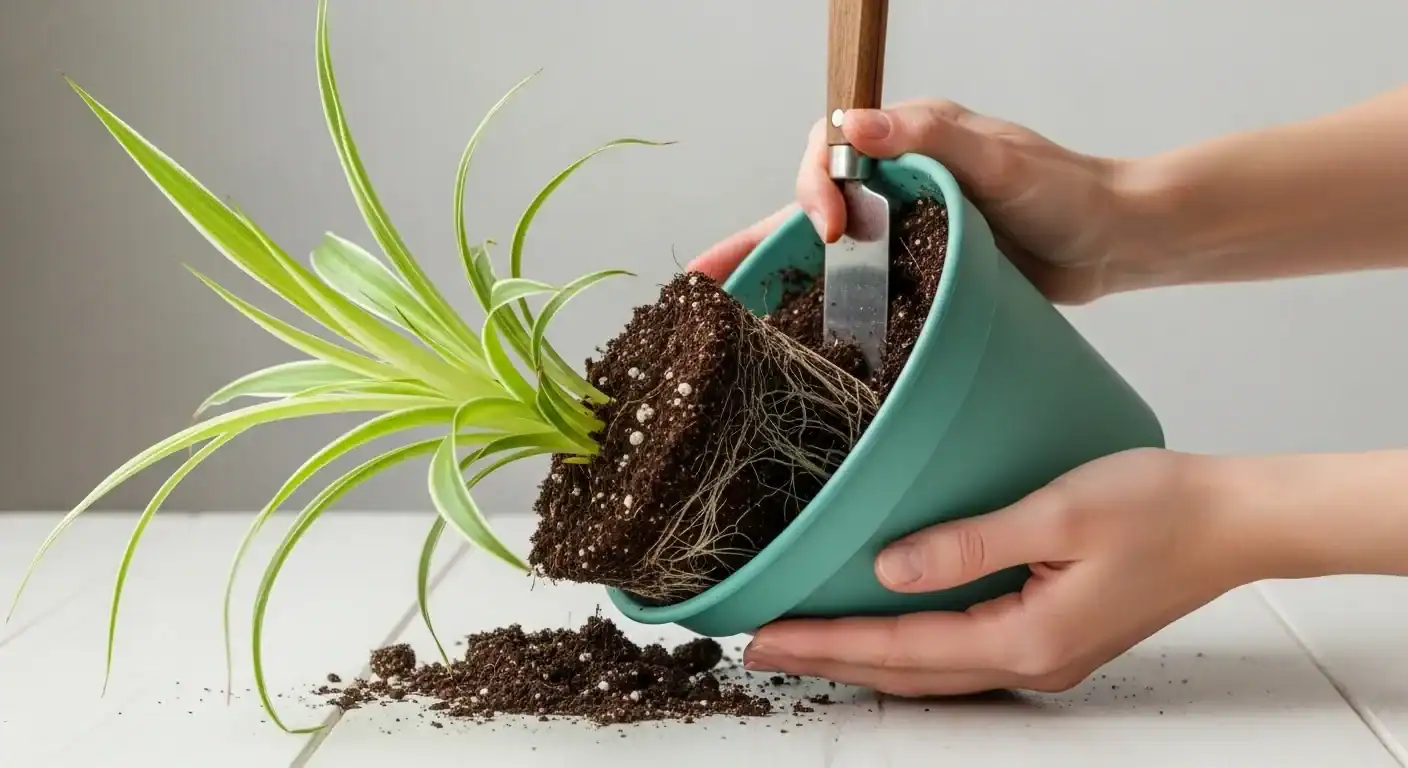
| Soil | Loose, fast-draining indoor potting mix |
| Pot | Container with drainage holes |
| Humidity | Average indoor humidity is usually fine |
| Feeding | Light feeding in spring and summer |
Spider plants are tough, but they still perform better when you avoid two common mistakes: keeping the soil wet for too long and placing the plant in harsh direct afternoon sun. Prolonged moisture raises the risk of overwatering, root stress, and rot, while harsh sun can scorch leaves and speed up tip burn.
How to choose the right spider plant variety for your space
- Choose solid green if you want the easiest, classic foliage look.
- Choose variegated if you want brighter contrast and decorative striping.
- Choose curly forms if you want a more compact, ornamental hanging-basket effect.
- Choose a mature plant with babies if you want a fuller display and easy propagation sooner.
If your room is a bit dim, the greener forms are usually the safer bet. If your space gets strong filtered light, variegated types tend to show better color.
Helpful spider plant video
Common questions about the spider plant family
Are all spider plant varieties cared for the same way?
Mostly yes. The care differences between common spider plant varieties are small. Give them bright indirect light, let part of the soil dry before watering, and use drainage. The main adjustment is giving variegated forms enough light to hold their pattern.
Which spider plant type is best for beginners?
Any healthy spider plant can work for beginners, but solid green and standard variegated forms are usually the easiest to find and replace if needed. They also adapt well to normal indoor conditions.
Are spider plants safe for pets?
Yes, spider plants are generally considered non-toxic to cats and dogs. That makes them one of the better houseplant options for pet homes, though chewing any plant can still upset a pet’s stomach.
Why do spider plants get brown tips?
Brown tips are usually tied to inconsistent watering, mineral-heavy tap water, dry air, fertilizer salt buildup, or strong direct sun. Check the watering routine, pot drainage, and soil moisture first before assuming the plant has a disease problem.
Related PlantasticHaven guides
- Green Spider Plant Care: Complete Guide for Thriving Plants
- Trimming Spider Plants: When and How to Prune Safely
- Spider Plant vs Dracaena: Key Differences, Care, and Pet Safety
- Airplane Plant vs Spider Plant: Key Differences, Care, and Growth Habits
- Indoor Plant Care: A Practical Beginner Guide to Keeping Houseplants Alive
- Organic Pest Control for Houseplants: Complete Guide