
Quick answer: Snake plants tolerate low light, but they usually grow stronger in bright to moderate indirect light. Low light slows growth and keeps soil wet longer, so watering must slow down too. Avoid sudden harsh direct sun, which can bleach or scorch leaves, especially after the plant has adapted to indoor shade.
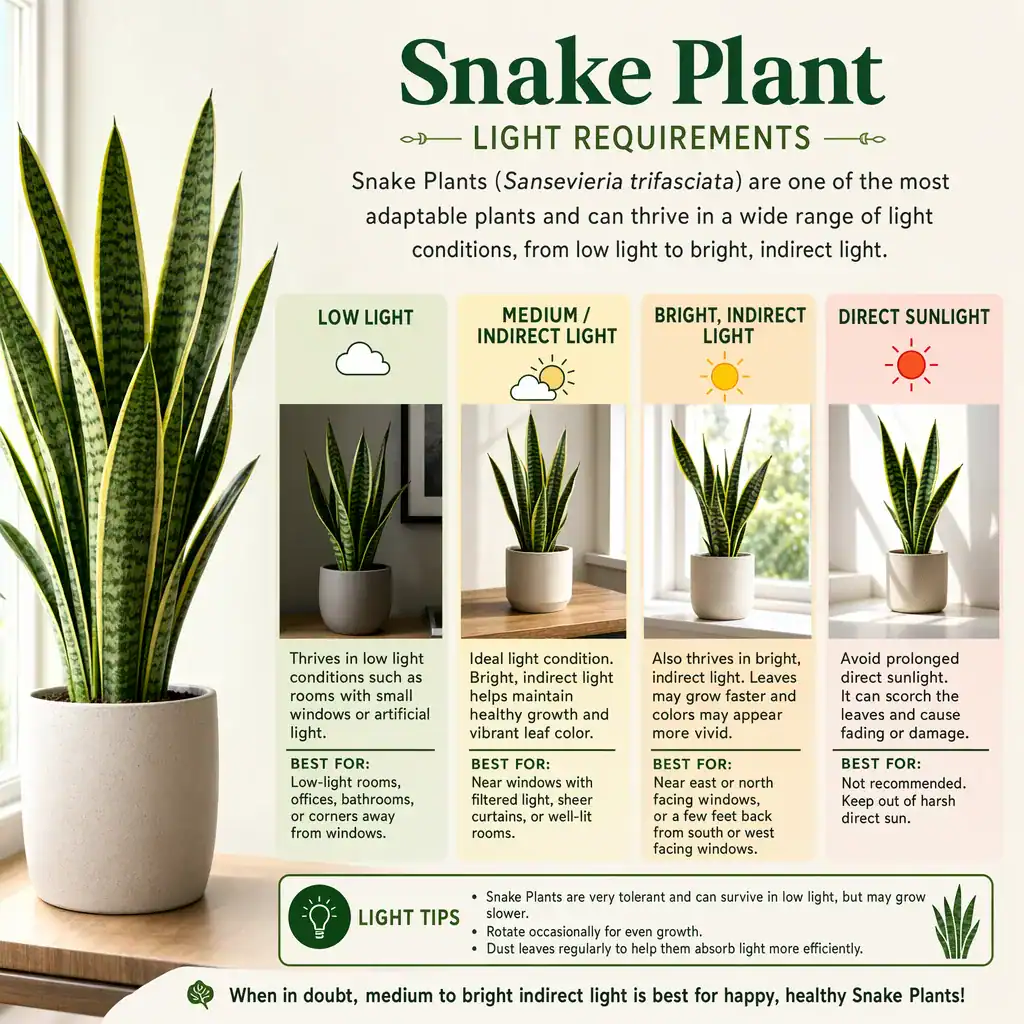
Snake plant light placement table
Choose placement by growth goal, not just survival. A dark corner can keep a snake plant alive, but may not produce the strongest leaves.
| Signal | Likely cause or best fit | How to confirm | Best next step |
|---|---|---|---|
| Bright indirect window | Best overall growth | Firm upright leaves and reasonable drying | Use as the default placement |
| Moderate indirect light | Good maintenance placement | Slower but stable growth | Rotate the pot every few weeks |
| Very low light | Survival, not peak performance | Slow growth and wet soil longer | Water less and move brighter if growth weakens |
| Hot direct afternoon sun | Scorch risk | Bleached patches or crispy exposed tissue | Filter light or acclimate gradually |
| Windowless room | Needs artificial light | No natural shadow or sky view | Use a grow light on a timer |
How this page should capture “low light snake plant” searches without misleading readers
Searchers often ask whether snake plants can live in low light. The stronger answer is: yes, but low light is a compromise. This rewrite satisfies the low-light query while explaining why bright indirect light gives better structure, faster recovery, and safer watering.
The article is built for answer engines because it separates light intensity, window direction, distance, direct sun, grow lights, and watering adjustment into extractable sections.

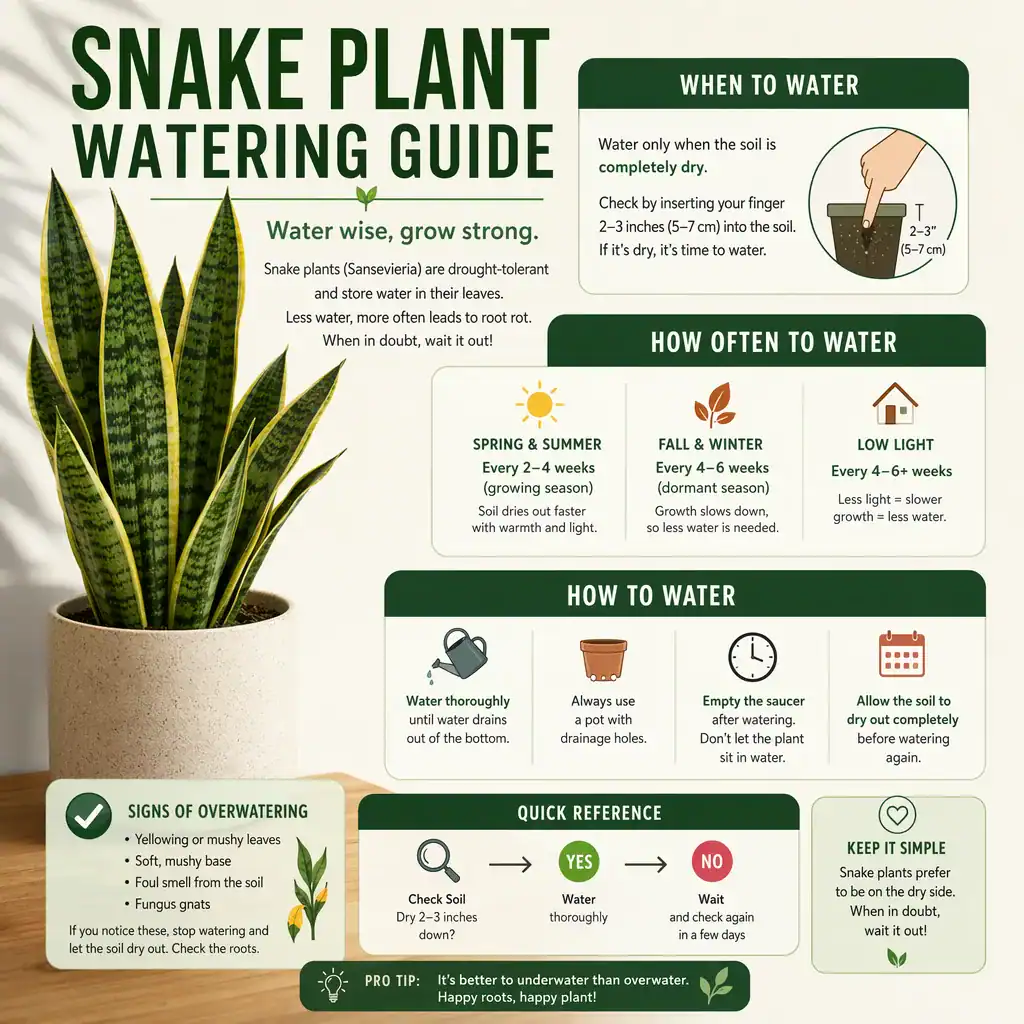
Low-light tolerance versus preference
Snake plants can persist in lower light better than many houseplants, but they are not powered by darkness. In low light, growth slows and the plant uses water more slowly.
Best indoor windows
East windows are usually gentle. West and south windows may work with distance or a sheer curtain. North windows can work if the room is bright, but very dim north rooms may need supplemental light.
Grow lights
A full-spectrum grow light can help windowless or dark rooms. Use a timer and keep the light close enough to matter but not so close that leaves heat or bleach.
Step-by-step practical instructions
Use this placement process when bringing home a snake plant or moving one to a new room.
Stand where the plant will sit and look for brightness, sky view, and harsh sun patches.
Place it near a window with filtered or gentle light rather than a dark corner.
If moving from shade to sun, increase light gradually over one to two weeks.
Turn the pot occasionally so new leaves do not lean strongly in one direction.
Brighter placement can dry faster; darker placement can stay wet much longer.
Judge success by future leaves: stronger, firmer, and more upright growth means placement improved.
Common mistakes and troubleshooting
Equating survival with thriving
A plant can survive low light while slowly weakening.
Moving directly into harsh sun
Shade-grown leaves can bleach or scorch after sudden exposure.
Ignoring watering after a move
More or less light changes drying speed immediately.
Buying a grow light but placing it too far away
Weak or distant light may not change the plant’s actual growing conditions.
Pet safety, toxicity, and household-risk notes
Brighter shelves and stands can also create access for pets, so choose a stable elevated placement that pets cannot tip over or chew.
Helpful plant-care products
Amazon affiliate disclosure: PlantasticHaven may earn from qualifying purchases through these links. Each button uses the affiliate tag papalex-20. Product images below are actual product imagery from verified manufacturer or major-retailer product pages; for full Amazon Associates compliance, refresh price, availability, ratings, and Amazon-hosted images through Amazon PA-API before publishing dynamic claims.
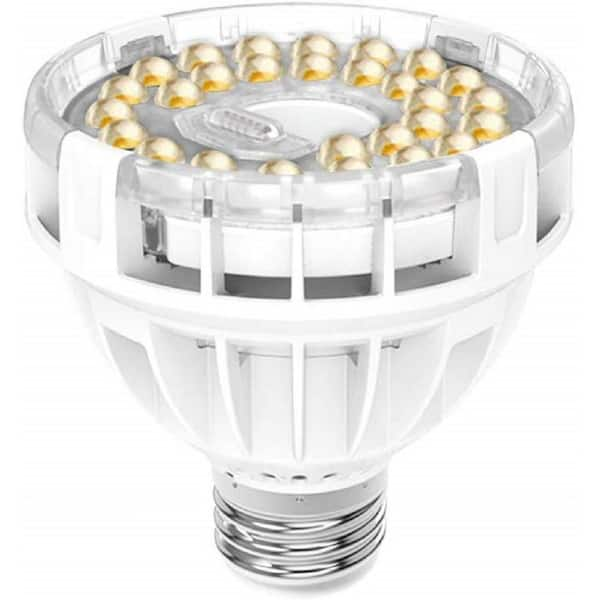
SANSI 10W Full Spectrum LED Grow Light Bulb, E26
Buyer-risk note: Avoid placing leaves too close; increase light gradually to prevent stress or scorch.
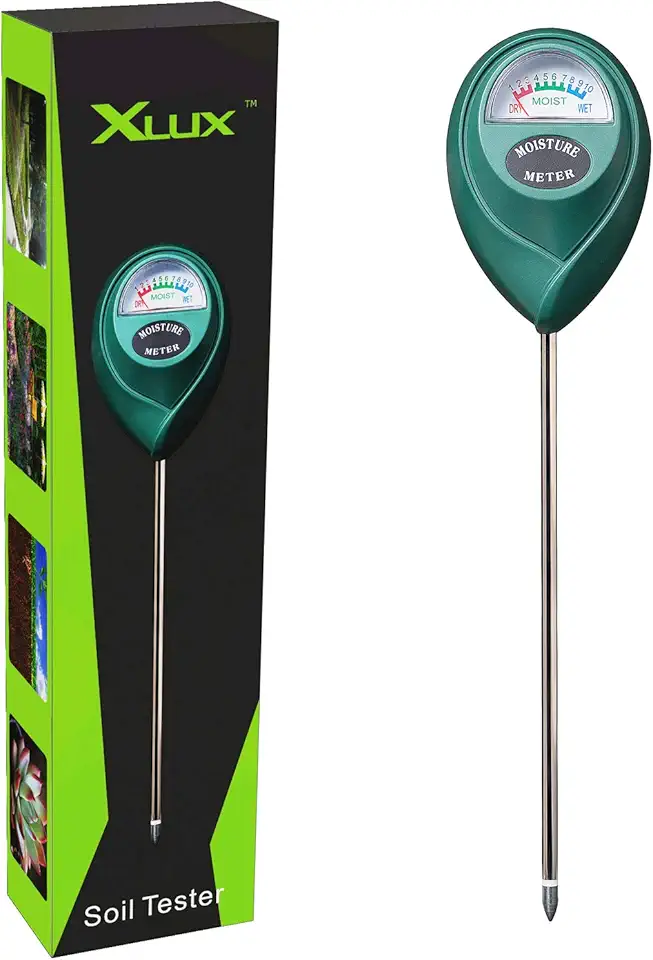
XLUX Soil Moisture Sensor Meter, 2-Pack
Buyer-risk note: Never leave probes in soil permanently and do not force them through hard, rocky mix.
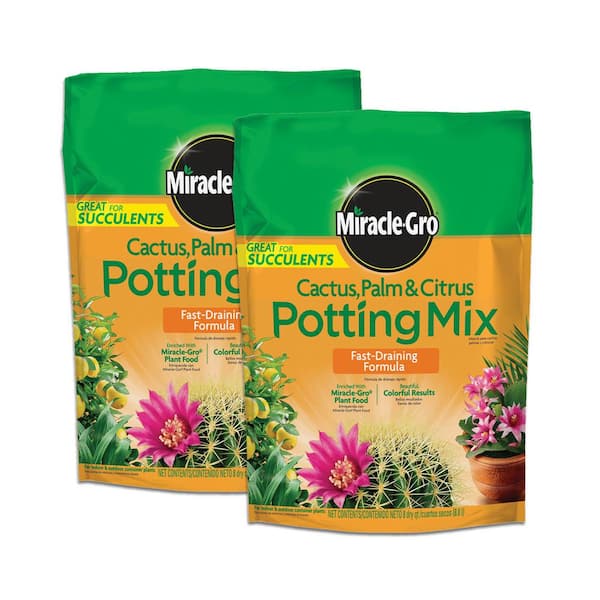
Miracle-Gro Cactus, Palm & Citrus Potting Mix, 8 qt. 2-Pack
Buyer-risk note: Do not use it as an excuse to water frequently; even fast-draining mixes can stay wet in oversized pots.
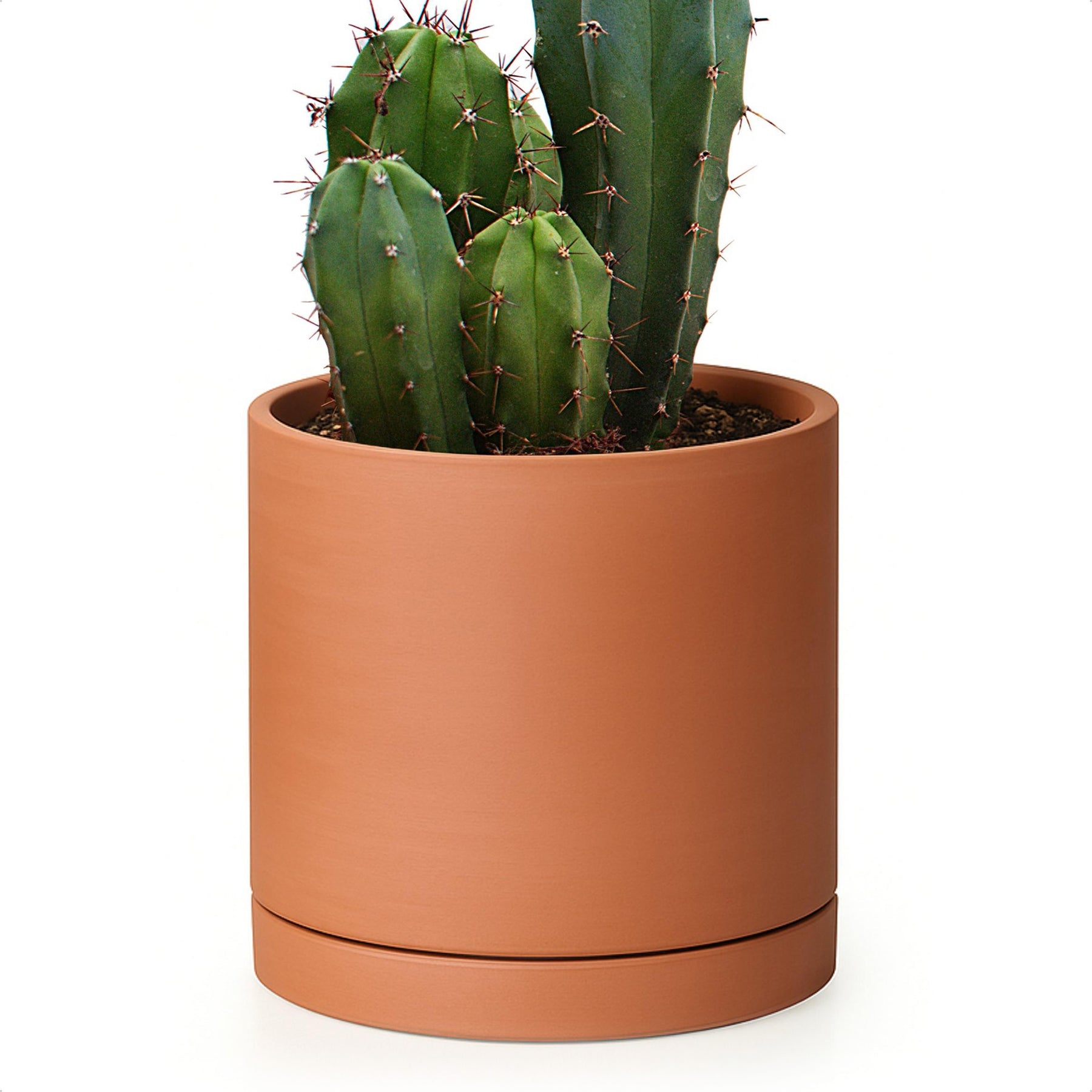
D'vine Dev 6 in. Terracotta Plant Pot with Drainage Hole and Saucer
Buyer-risk note: Terracotta dries faster, so check moisture after switching pot materials instead of copying the old schedule.
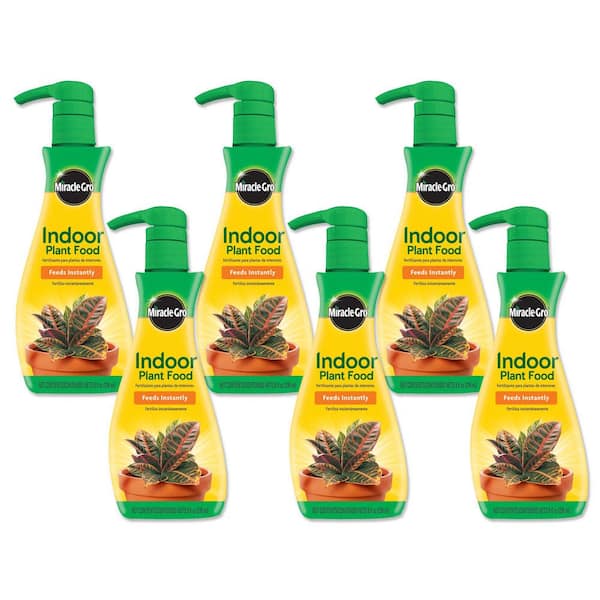
Miracle-Gro Indoor Plant Food Liquid, 8 oz.
Buyer-risk note: Do not fertilize a plant with root rot, drought stress, pest stress, or recently damaged roots.
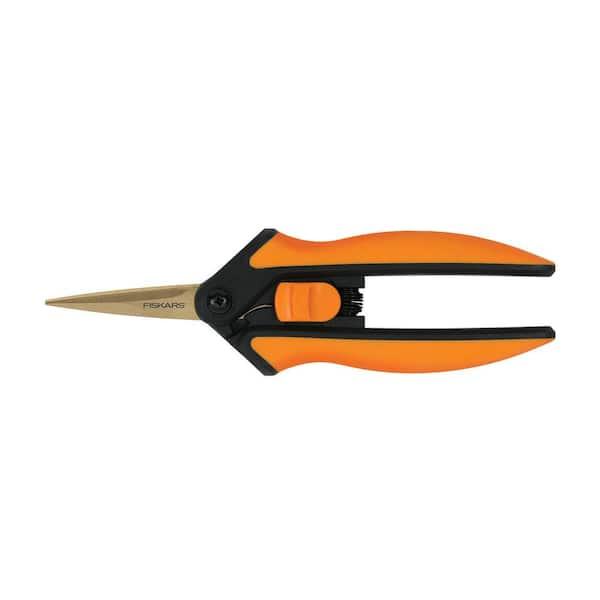
Fiskars 6 in. Micro-Tip Pruning Snips
Buyer-risk note: Disinfect before and after rescue cuts so rot or pests are not spread plant-to-plant.
Helpful YouTube video
This snake plant video covers the practical connection between light, watering, soil, and beginner mistakes.
FAQ
Can a snake plant grow in a windowless room?
Not well long term without supplemental light. It may survive for a while, but growth usually weakens.
Is morning sun okay for snake plants?
Gentle morning sun is usually easier than intense afternoon sun, especially if the plant is acclimated gradually.
Why is my snake plant leaning?
Leaning can come from uneven light, weak growth, unstable roots, or rot. Check soil and roots before blaming light alone.
How close should a snake plant be to a window?
Close enough to receive bright ambient light, but protected from prolonged harsh direct sun that heats or bleaches leaves.
Do variegated snake plants need more light?
Variegated forms often look and grow better with brighter indirect light because less green tissue means less photosynthetic area.