
Is Pothos Toxic to Cats and Dogs? Pet-Safety Guide for Plant Owners
Learn whether pothos is toxic to cats and dogs, what symptoms matter, where to place pothos safely, and which trailing houseplants are better for pet homes.
| Symptom/Need | Likely Cause | Action Plan | What to Avoid |
|---|---|---|---|
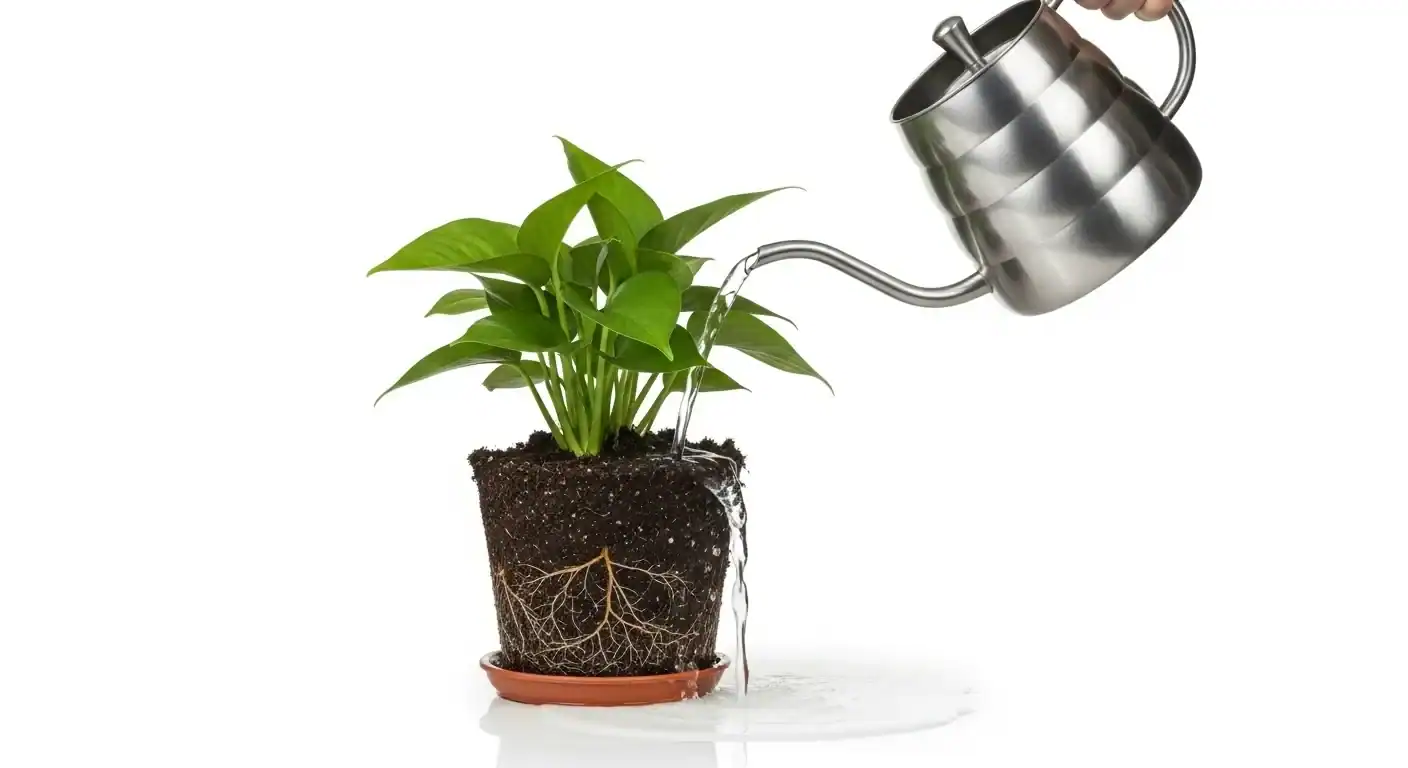
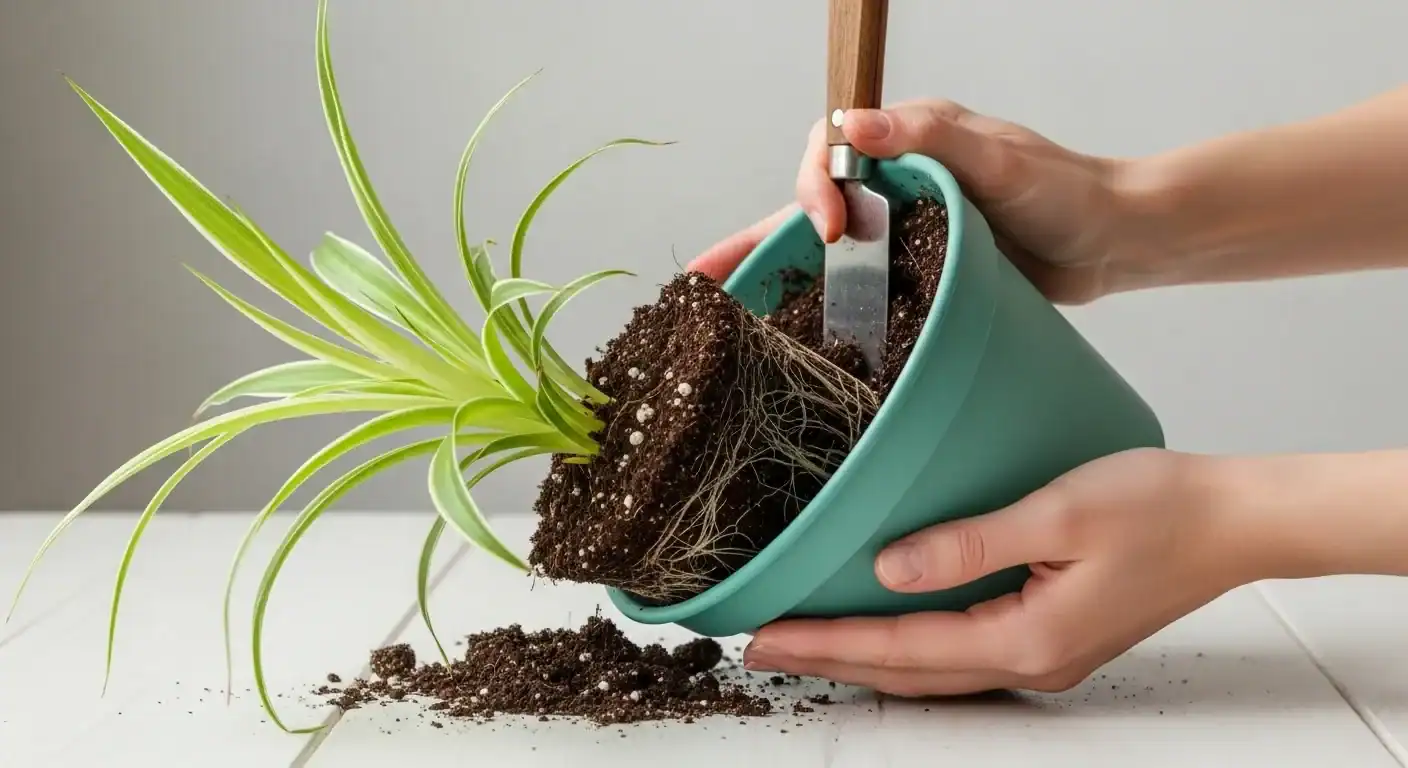
| Yellow leaves near base | Overwatering or soggy soil | Wait until soil dries, empty cachepot runoff | Do not water on a weekly schedule |
| Wilting with dry soil | Underwatering | Perform a thorough deep-soak watering | Do not give small sips that miss roots |
| Vines losing variegation | Low light levels | Move closer to a window or add a grow light | Do not place in direct blazing sun |
Your pothos care routine must adapt dynamically:
⚠️ ASPCA Toxicity Note: Pothos is toxic to cats and dogs due to insoluble calcium oxalate crystals. Keep pots out of reach of pets.
Learn whether pothos is toxic to cats and dogs, what symptoms matter, where to place pothos safely, and which trailing houseplants are better for pet homes.
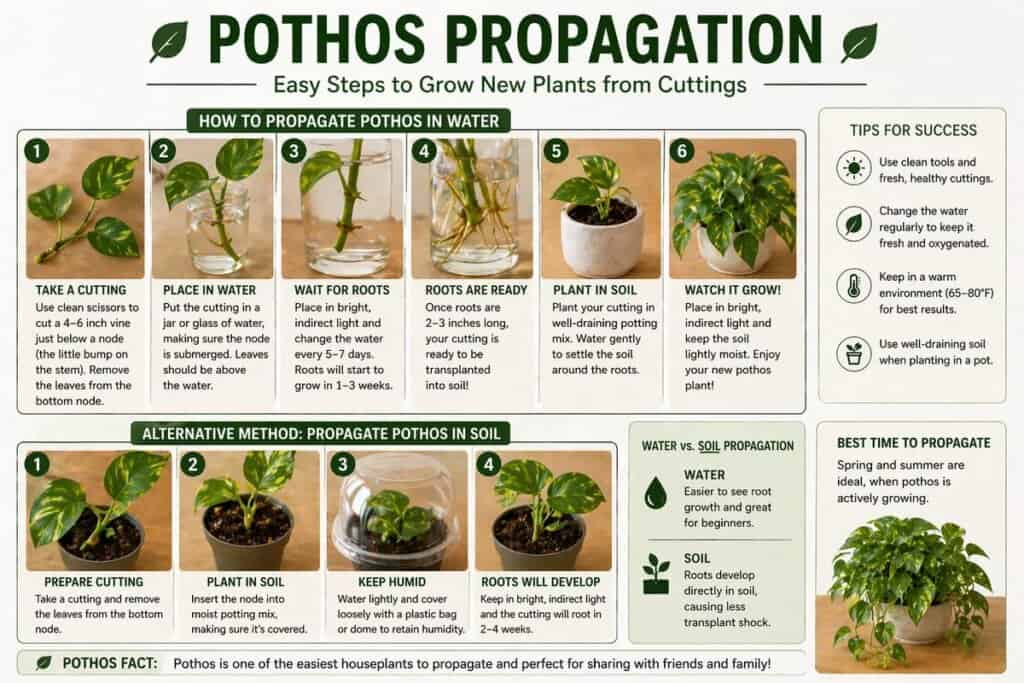
How to Propagate Pothos in Water or Soil: Step-by-Step Beginner Guide By Alexios Papaioannou · PlantasticHaven · Last reviewed June
Learn when to water pothos by soil dryness, light, pot size, season, leaf symptoms, and root-zone clues instead of guessing from a fixed calendar.
Diagnose yellow pothos leaves by pattern, soil moisture, light, root health, pests, repot stress, and normal aging so you fix the right problem first.
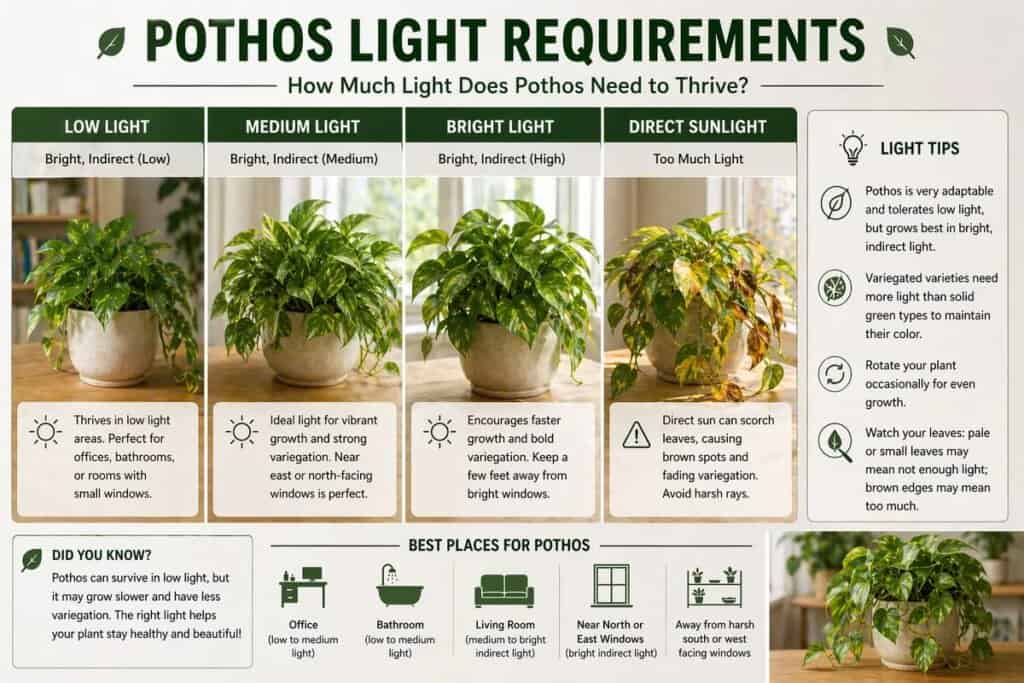
Quick answer: Pothos grows best in bright indirect light. It can tolerate moderate light and survive in lower light than
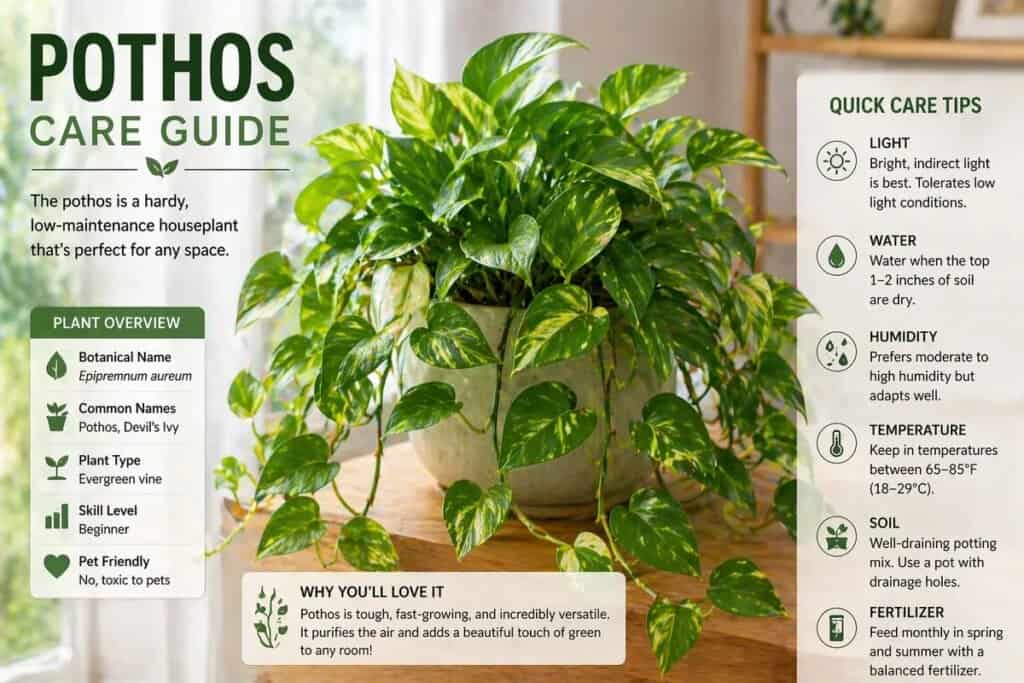
Complete pothos plant care guide for watering, light, soil, pruning, propagation, yellow leaves, fuller vines, pest checks, and pet-safety decisions.