
Quick answer: Monstera leaves usually fail to split because the plant is still juvenile, light is too weak, growth is not strong enough, or the plant lacks climbing support. Existing unsplit leaves will not develop cuts later. Improve bright indirect light, root health, support, and consistency so future leaves can mature larger.
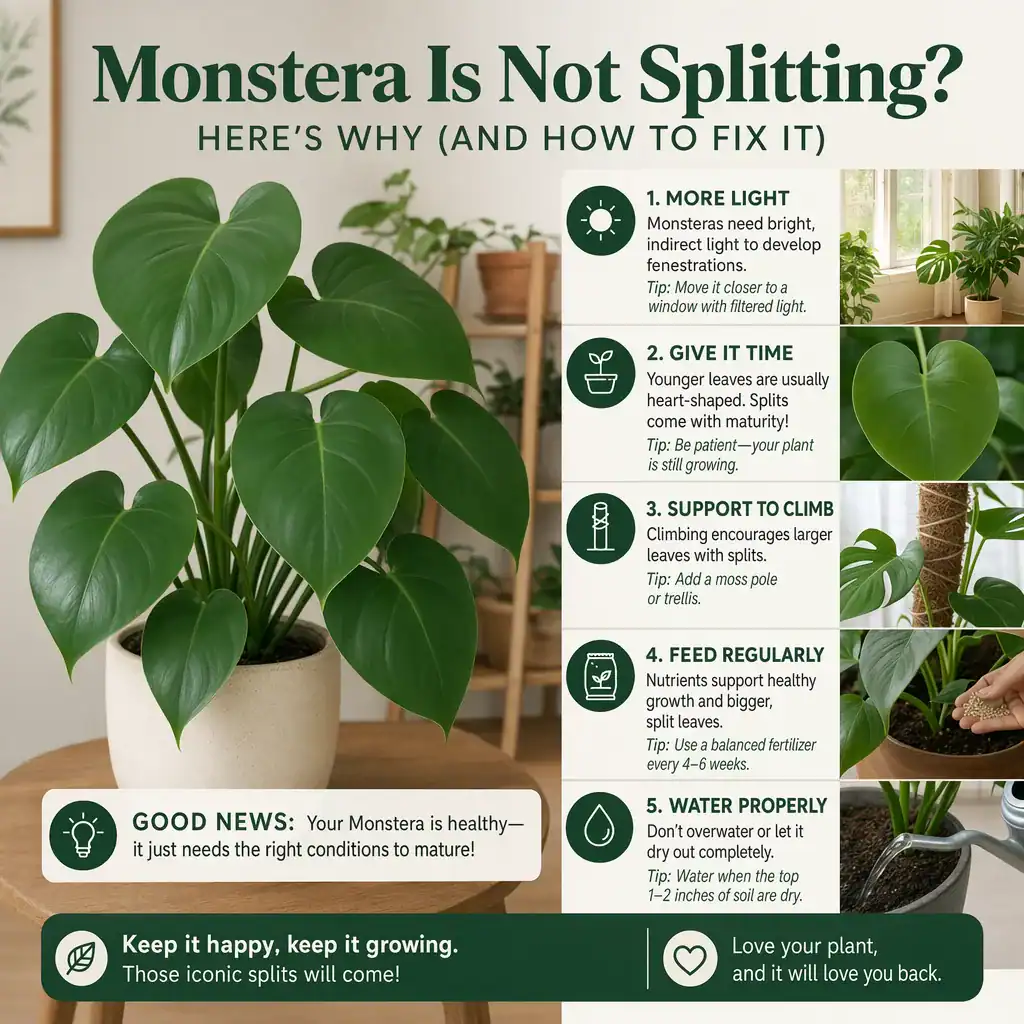
Monstera fenestration decision table
Fenestrations come from future mature growth, not from editing existing leaves. Use this table to find the limiting factor.
| Signal | Likely cause or best fit | How to confirm | Best next step |
|---|---|---|---|
| Small young plant with heart-shaped leaves | Juvenile stage | Plant is still early in growth | Be patient and keep care stable |
| Long gaps, small new leaves | Too little light | Plant stretches toward window | Move to brighter indirect light |
| Vines sprawling sideways | No climbing support | Growth trails or flops | Add moss pole, plank, or trellis |
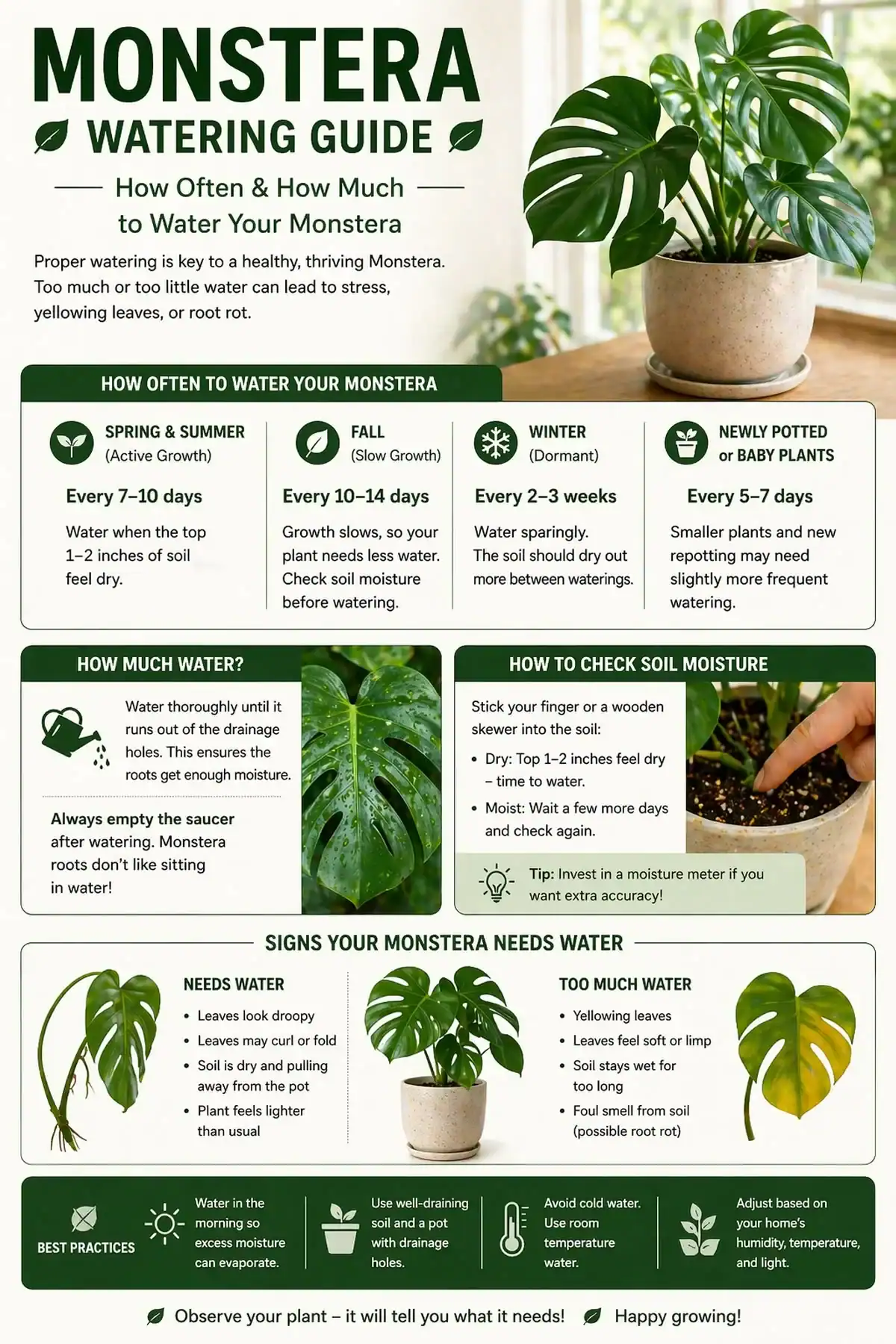
| Slow growth and weak roots | Water or soil stress | Yellowing, wet soil, or cramped roots | Fix watering, mix, and pot size |
| No splits despite good conditions | Genetics or maturity lag | New leaves increasing slowly | Wait for larger future leaves |
How this rewrite captures the fenestration intent
People searching “Monstera not splitting” are usually frustrated because the plant looks healthy but still produces plain leaves. This article gives the key truth early: existing leaves do not split later, so the goal is better future growth.
It expands into the entity set answer engines expect: juvenile growth, bright indirect light, climbing habit, support poles, leaf size, root health, pot size, watering consistency, and nutrient support.
What fenestration means
Fenestrations are the splits and holes that appear as Monstera leaves mature. Young plants often produce entire leaves first. Larger, older, well-supported plants are more likely to produce split leaves indoors.
Why light is the biggest controllable factor
A Monstera in weak light may survive but make smaller leaves without splits. Bright indirect light gives the plant energy to produce larger mature leaves.
Why support helps
Monstera is a climbing vine. A moss pole, plank, or trellis helps orient growth upward. Support does not create instant splits, but it supports larger future growth over time.
Step-by-step practical instructions
Use this plan for the next two to three new leaves, not the leaves already on the plant.
Small juvenile Monsteras need time before consistent splits appear.
Move to bright indirect light without harsh scorch.
Tie stems gently to a moss pole, plank, or trellis so growth climbs.
Avoid wet/dry extremes that stall new growth.
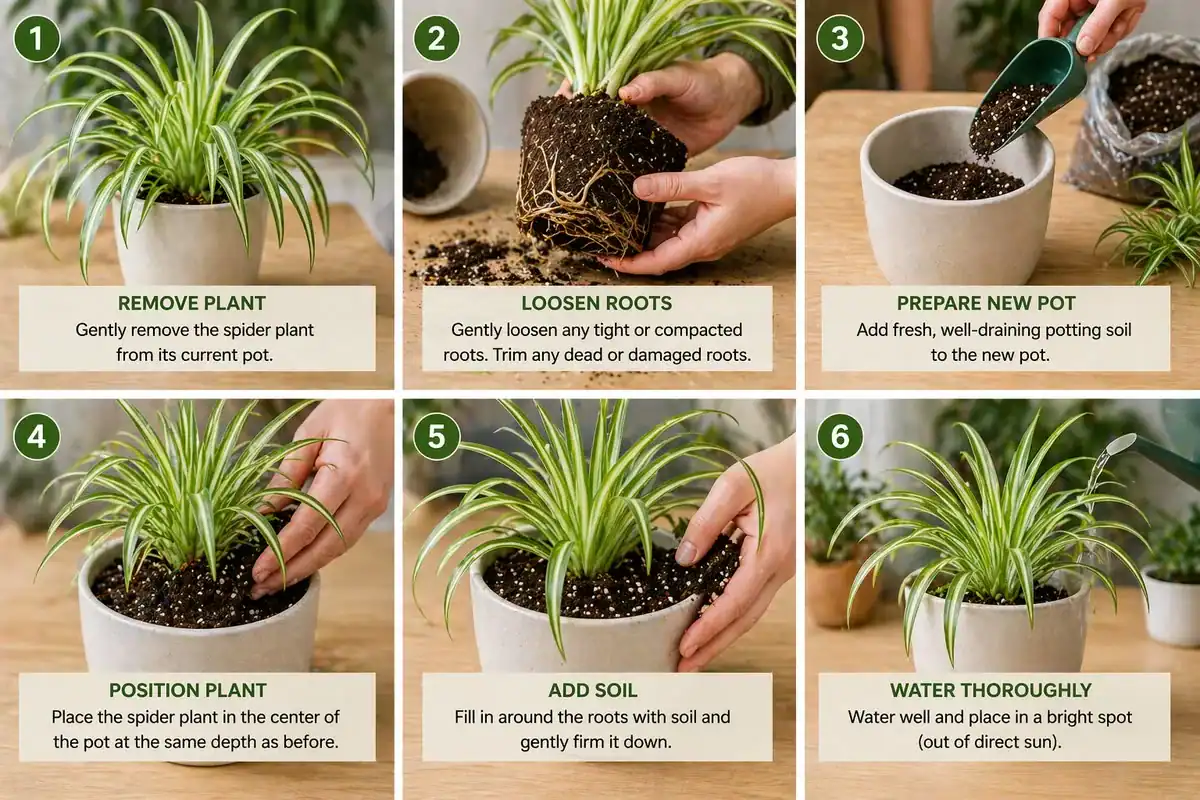
Repot only if roots are crowded or soil is compacted.
Use diluted fertilizer only when the plant is healthy and growing.
Judge success by whether new leaves become larger, not whether old leaves change.
Common mistakes and troubleshooting
Expecting old leaves to split later
Fenestrations form as leaves develop; old solid leaves stay solid.
Putting Monstera in direct sun suddenly
More light helps, but harsh sun can burn leaves.
Adding a moss pole but ignoring light
Support works best with strong bright indirect light.
Overfeeding for instant splits
Fertilizer cannot override weak light, poor roots, or juvenile age.
Pet safety, toxicity, and household-risk notes
Large climbing Monsteras are tempting for pets. Secure the pot and pole so chewing or tipping is less likely.
Helpful plant-care products
Amazon affiliate disclosure: PlantasticHaven may earn from qualifying purchases through these links. Each button uses the affiliate tag papalex-20. Product images below are actual product imagery from verified manufacturer or major-retailer product pages; for full Amazon Associates compliance, refresh price, availability, ratings, and Amazon-hosted images through Amazon PA-API before publishing dynamic claims.
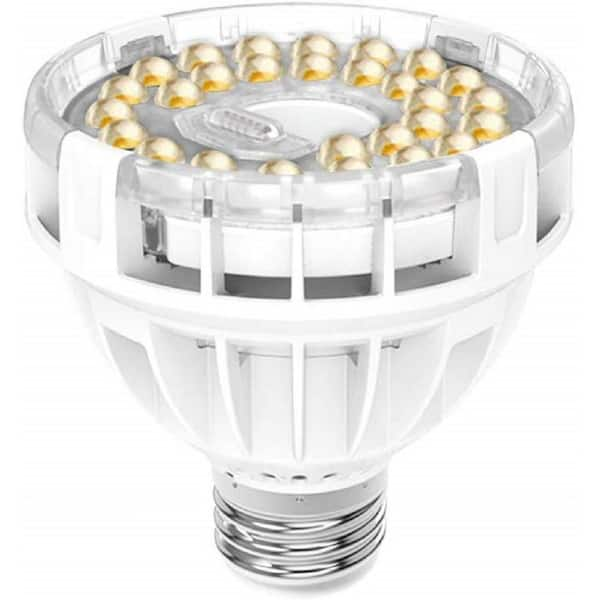
SANSI 10W Full Spectrum LED Grow Light Bulb, E26
Buyer-risk note: Avoid placing leaves too close; increase light gradually to prevent stress or scorch.

Mosser Lee Sphagnum Moss Pole for Indoor Climbing Plants
Buyer-risk note: Install gently; forcing a pole through dense roots can break roots and destabilize the plant.
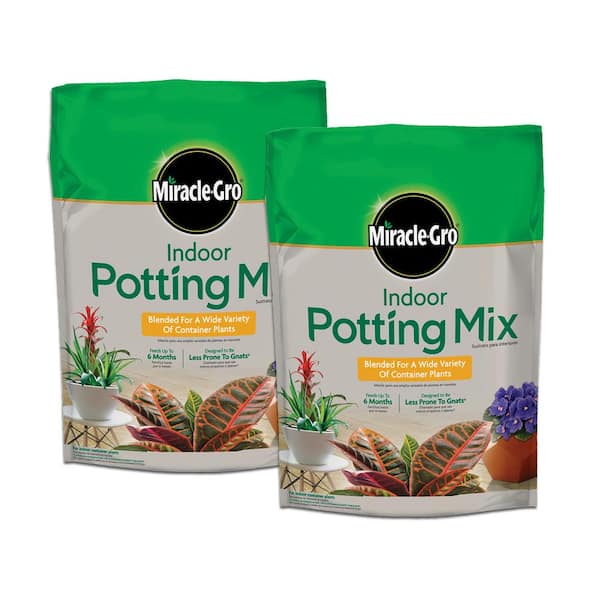
Miracle-Gro Indoor Potting Mix, 6 qt. 2-Pack
Buyer-risk note: Do not use straight from the bag for rot-prone plants in dim rooms without adding aeration.
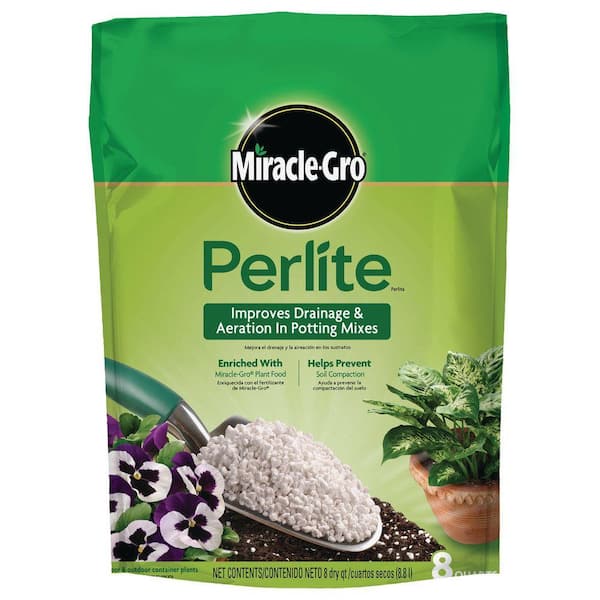
Miracle-Gro Perlite, 8 qt.
Buyer-risk note: Wear a mask when mixing dusty amendments and moisten lightly before handling.
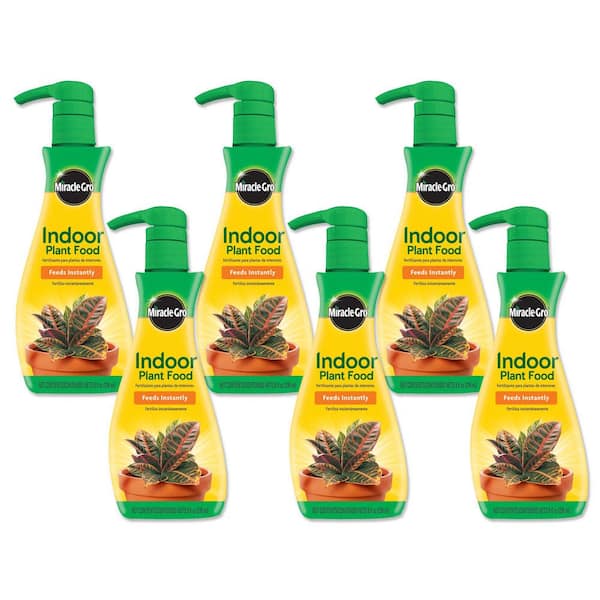
Miracle-Gro Indoor Plant Food Liquid, 8 oz.
Buyer-risk note: Do not fertilize a plant with root rot, drought stress, pest stress, or recently damaged roots.
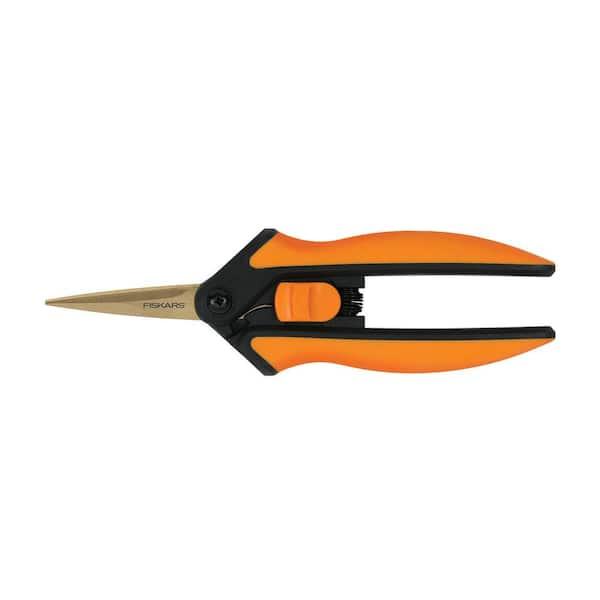
Fiskars 6 in. Micro-Tip Pruning Snips
Buyer-risk note: Disinfect before and after rescue cuts so rot or pests are not spread plant-to-plant.
Helpful YouTube video
This Monstera care video covers the light, support, water, and growth basics that affect future leaf size.
FAQ
Will my existing Monstera leaves split later?
No. Existing solid leaves will not develop new splits. Improve conditions for future leaves.
How old does a Monstera need to be to split?
It depends on maturity, light, support, and overall growth. Young plants often produce solid leaves first.
Does a moss pole make Monstera leaves split?
A moss pole can support mature climbing growth, but it works best with bright indirect light and healthy roots.
Can low light stop Monstera fenestration?
Yes. Weak light often leads to smaller, less mature leaves with few or no splits.
Should I cut off leaves without splits?
No, not unless they are damaged. Solid leaves still photosynthesize and support the plant.