
Quick answer: Monstera leaves usually turn yellow because roots stayed wet too long, drainage is poor, the plant dried too hard, light is too weak, or an older lower leaf is naturally aging. Check how many leaves are yellow, whether the soil is wet or dry, and whether new growth still looks strong before you cut or water.
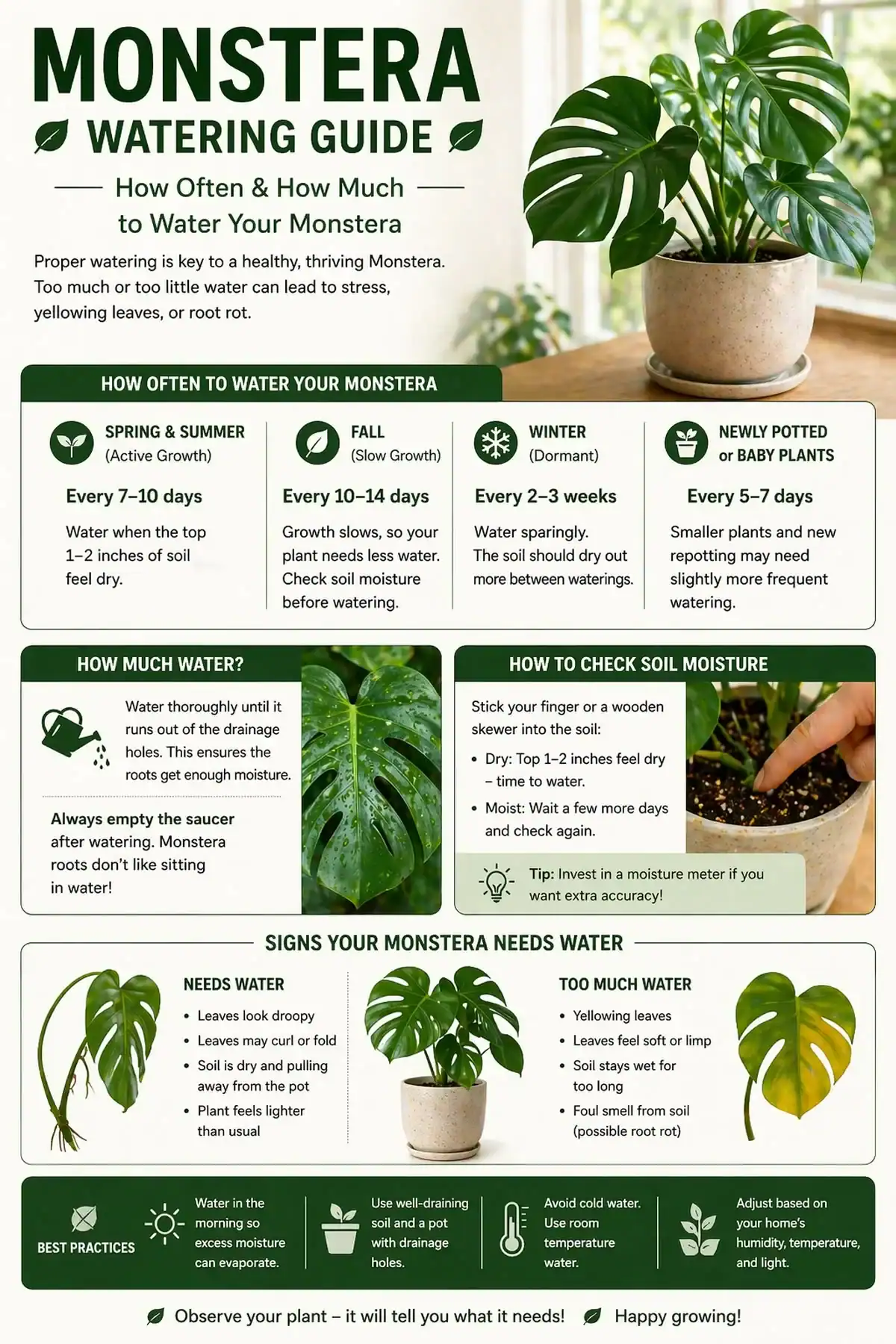
Monstera yellow leaves diagnosis table
A single yellow lower leaf has a different meaning from several yellow leaves spreading quickly. Use the pattern, soil, and recent changes.
| Signal | Likely cause or best fit | How to confirm | Best next step |
|---|---|---|---|
| One older lower leaf yellowing | Normal aging | New growth is healthy and yellowing does not spread | Remove once spent |
| Several leaves yellow with wet soil | Overwatering/root stress | Pot heavy, sour smell, or dense mix | Pause watering and inspect drainage/roots |
| Yellow after dry spells | Underwatering stress | Pot very light; mix pulls away | Rehydrate slowly and stabilize routine |
| Pale yellow weak growth | Low light or nutrient limitation | Long internodes, small leaves, slow growth | Move to brighter indirect light first |
| Yellow after repot or move | Adjustment stress | Recent root disturbance or environment shift | Stabilize care and watch for spread |
Why this rewrite is built around diagnosis, not generic causes
Yellow leaves are one of the highest-volume plant symptom searches. The page wins by giving a fast answer, then an evidence-based flow that prevents bad advice: do not water, fertilize, or repot until you know whether the problem is wet roots, dry roots, low light, normal aging, pests, or transplant stress.
It also links the symptom to the watering and light cluster so PlantasticHaven gains topical authority around Monstera diagnosis rather than treating yellow leaves as a standalone topic.
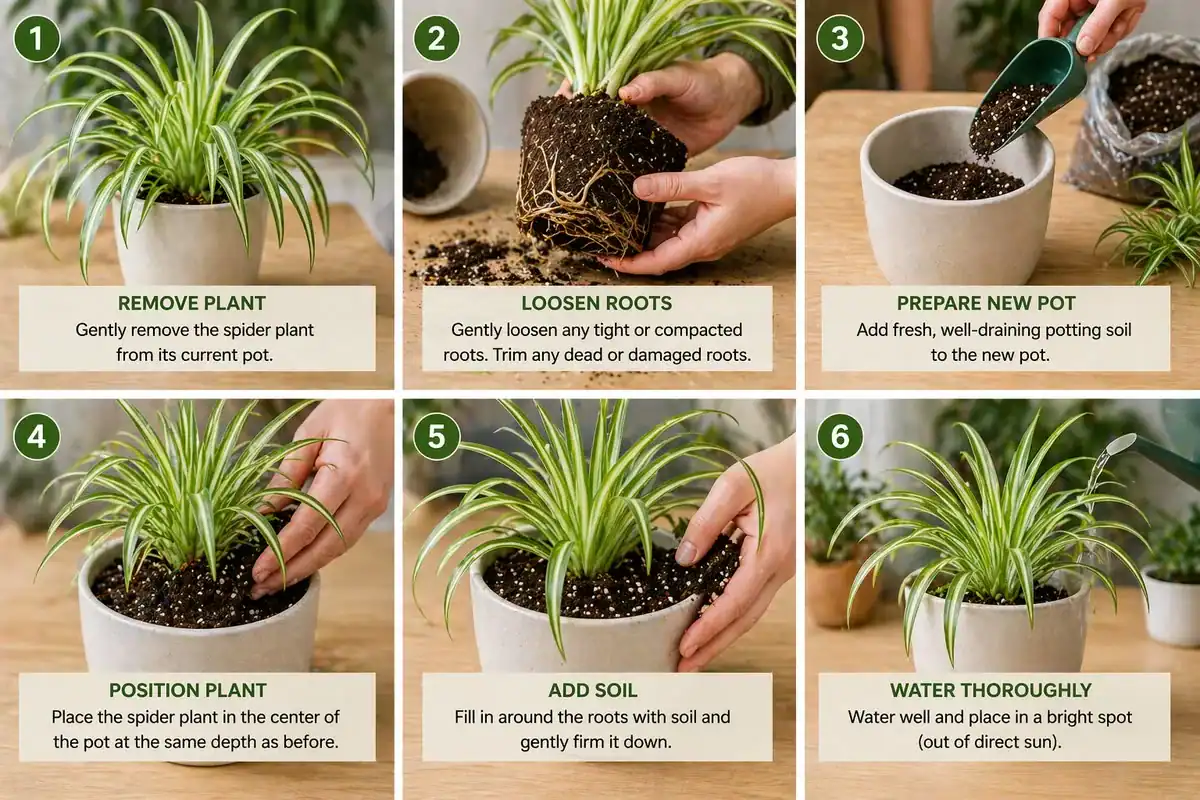
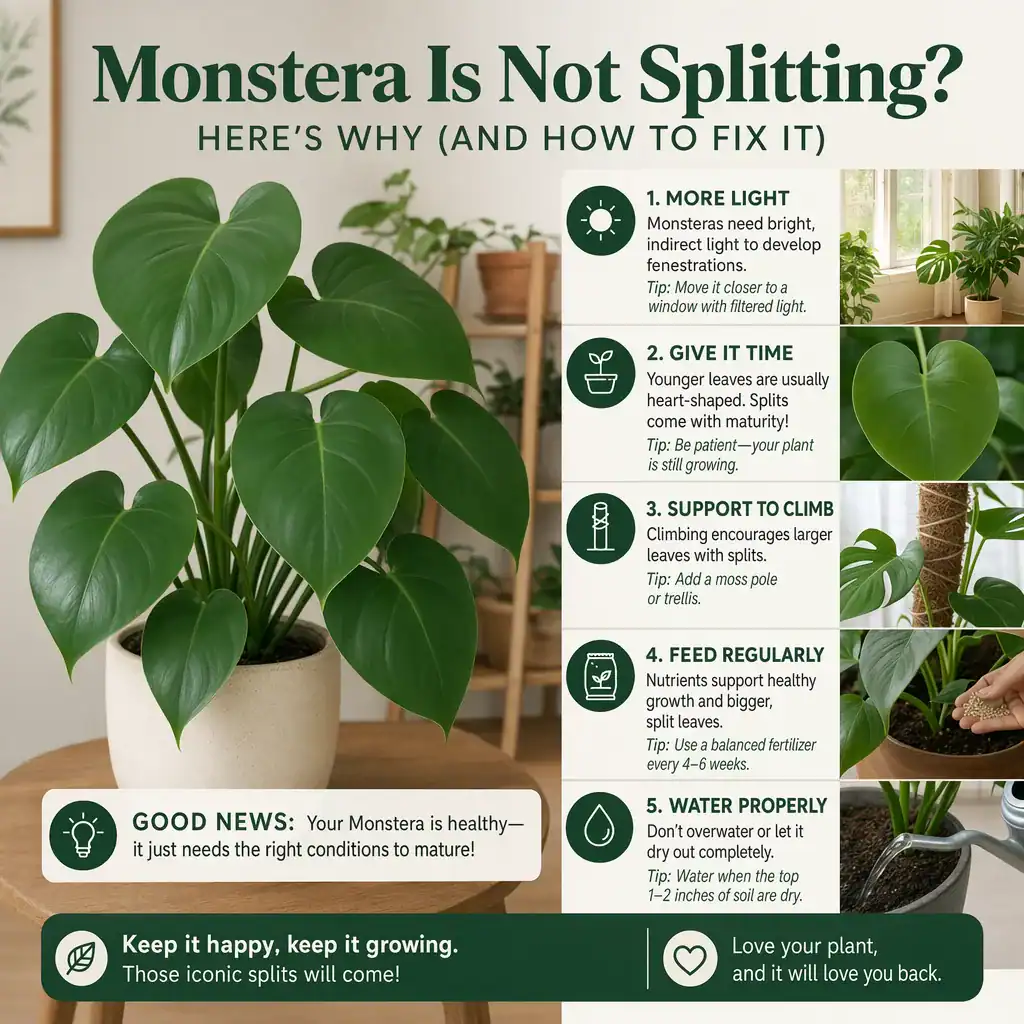
Normal yellowing versus a problem
A mature Monstera can shed an older lower leaf. That is normal if the rest of the plant is firm and new growth is healthy. Spreading yellowing, soft stems, pests, or wet soil is different.
Why overwatering is common
Overwatering usually means watering too often for the pot, soil, and light. A dense mix in low light can stay wet long enough to stress roots even if the owner did not water aggressively.
Why light matters
Low light slows growth and water use. It can also produce smaller, paler leaves. Fixing light often makes future leaves stronger, but old yellow leaves will not become green again.
Step-by-step practical instructions
Use this sequence when you first notice yellow Monstera leaves.
Note whether one old leaf or many leaves are yellowing.
Feel the upper and middle mix, not just the surface.
Confirm the pot drains and no water is trapped in a cachepot.
If soil is wet and yellowing is spreading, slide the root ball out gently.
Move to bright indirect light if growth is pale, small, or slow.
Remove fully yellow or damaged leaves with clean snips.
Judge recovery by future leaves, not old damaged foliage.
Common mistakes and troubleshooting
Treating all yellowing as thirst
Wet roots can make leaves yellow and droop too.
Fertilizing immediately
Stressed roots cannot use fertilizer well.
Repotting repeatedly
Too many changes can compound stress.
Ignoring pests
Check undersides and stems if yellowing includes speckling, sticky residue, or webbing.
Pet safety, toxicity, and household-risk notes
Yellow leaves that fall or are pruned should be discarded where pets cannot chew them.
Helpful plant-care products
Amazon affiliate disclosure: PlantasticHaven may earn from qualifying purchases through these links. Each button uses the affiliate tag papalex-20. Product images below are actual product imagery from verified manufacturer or major-retailer product pages; for full Amazon Associates compliance, refresh price, availability, ratings, and Amazon-hosted images through Amazon PA-API before publishing dynamic claims.
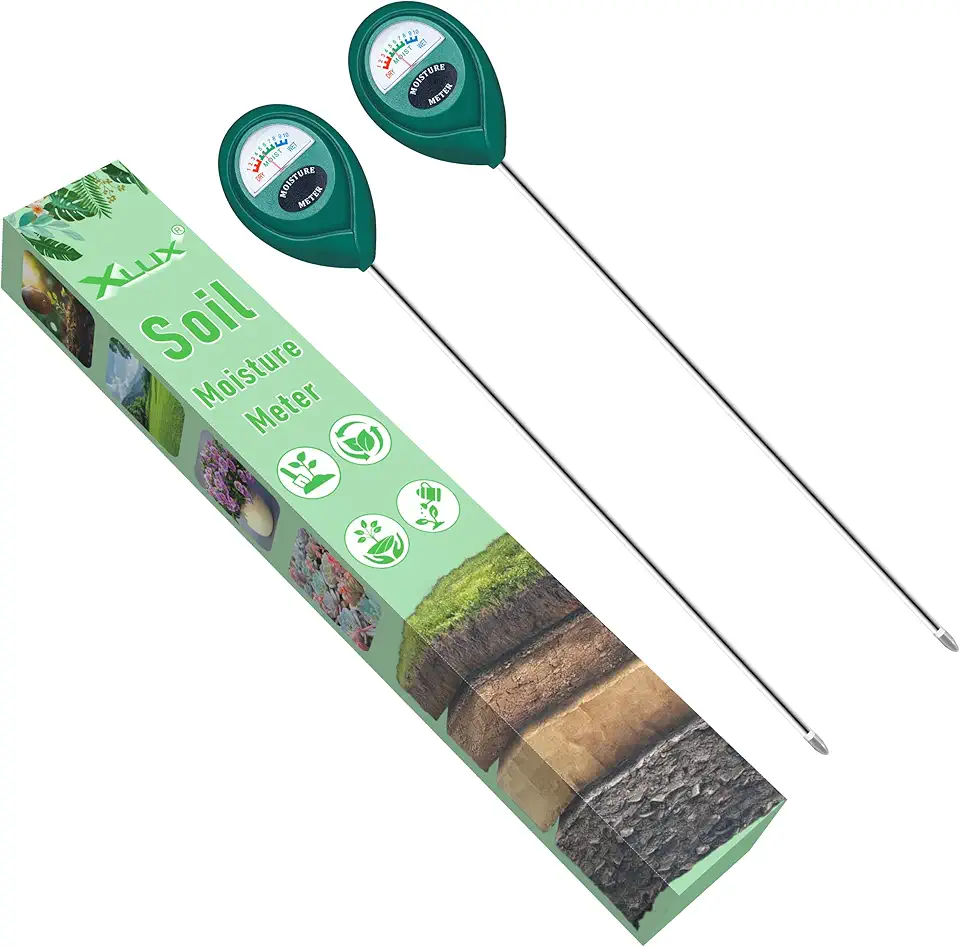
XLUX Long Probe Deep Use Soil Moisture Meter
Buyer-risk note: Use as a second opinion, not the only watering rule; pot weight and soil feel still matter.
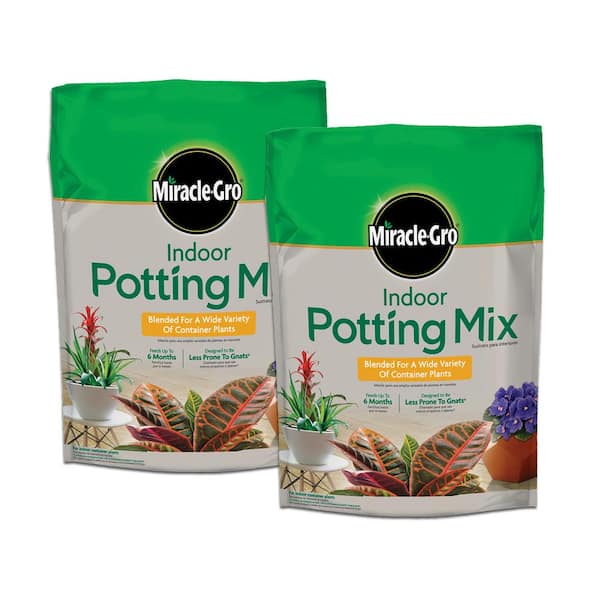
Miracle-Gro Indoor Potting Mix, 6 qt. 2-Pack
Buyer-risk note: Do not use straight from the bag for rot-prone plants in dim rooms without adding aeration.
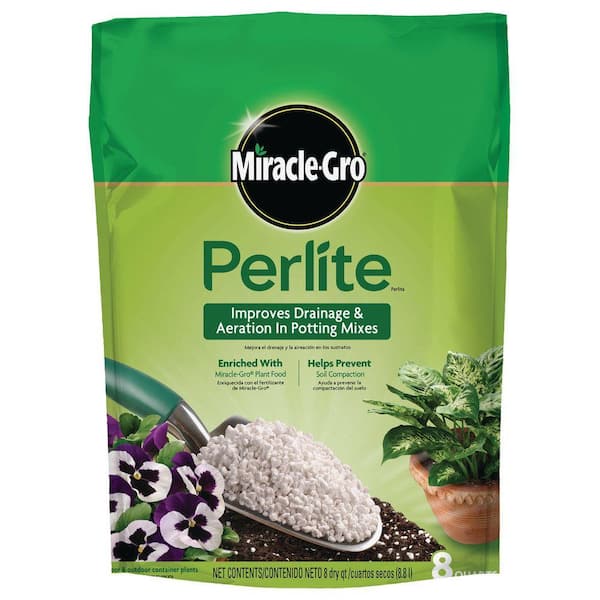
Miracle-Gro Perlite, 8 qt.
Buyer-risk note: Wear a mask when mixing dusty amendments and moisten lightly before handling.
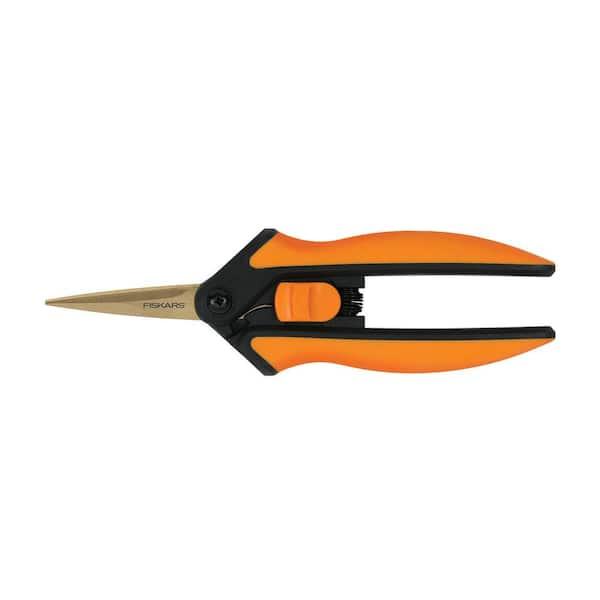
Fiskars 6 in. Micro-Tip Pruning Snips
Buyer-risk note: Disinfect before and after rescue cuts so rot or pests are not spread plant-to-plant.
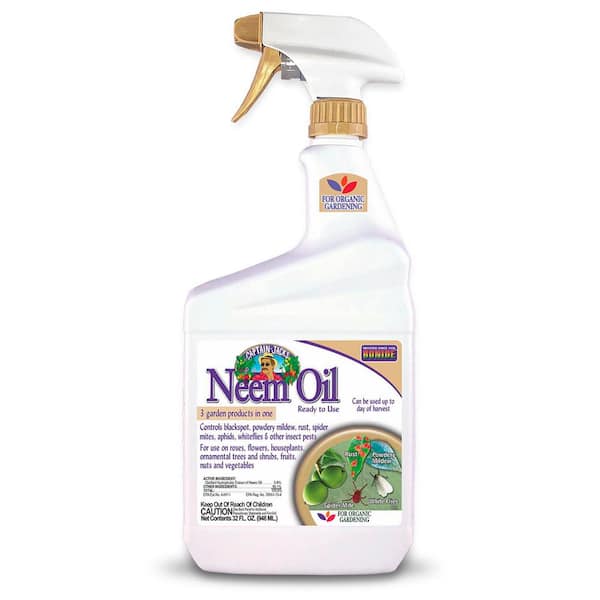
Bonide Captain Jack's Neem Oil, 32 oz Ready-to-Use Spray
Buyer-risk note: Always read the label; avoid spraying stressed plants, direct sun, open terrariums, or pet-accessible leaves.
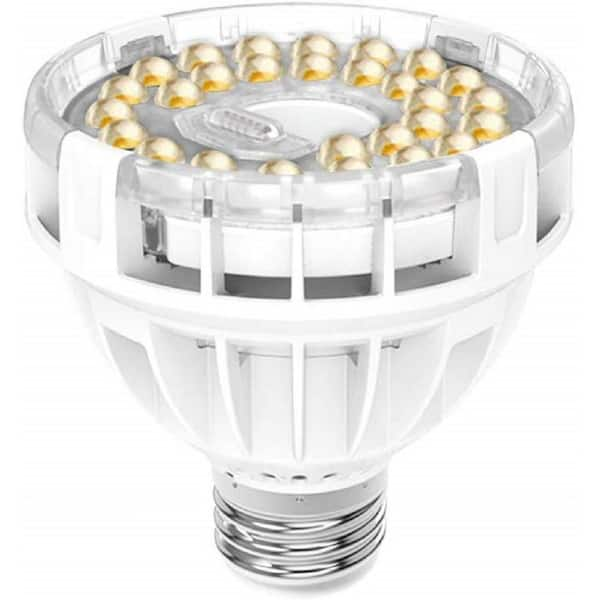
SANSI 10W Full Spectrum LED Grow Light Bulb, E26
Buyer-risk note: Avoid placing leaves too close; increase light gradually to prevent stress or scorch.
Helpful YouTube video
This Monstera care video gives visual context for watering and light choices that prevent yellowing.
FAQ
Should I cut yellow Monstera leaves off?
Cut fully yellow, dying, or damaged leaves. If the leaf is partly green and firm, you can wait while fixing the cause.
Can yellow Monstera leaves turn green again?
Usually no. Focus on correcting the cause so future growth is healthy.
Does yellow mean overwatering?
Often, but not always. Check soil moisture, drainage, light, pests, and recent changes.
Why are lower Monstera leaves yellowing?
One old lower leaf may be normal aging. Multiple lower leaves yellowing together often suggests root or light stress.
Can pests cause yellow Monstera leaves?
Yes. Spider mites, scale, mealybugs, and thrips can cause yellowing, speckling, or general decline.