
Repotting should make a plant healthier, not shock it into decline. This guide shows you when to repot, how much bigger the new pot should be, what kind of mix works best, and how to move a plant without creating root, moisture, or drainage problems.
Quick answer
Repotting houseplants is the process of transferring a plant to a larger container or fresh medium to prevent root-binding and nutrient depletion. Repot when roots crowd the pot, the soil has broken down, or watering becomes difficult. Move up only one pot size (1–2 inches), use a well-draining mix, and maintain the original planting depth.
- Best season: early spring through active growth
- Best pot increase: usually 1 to 2 inches wider
- Biggest mistake: moving a small root ball into a pot that is far too large
- Best mindset: repot for root health, not because the plant “looks due”
How do you know it is time to repot a houseplant?
Most indoor plants do not need constant repotting. They need repotting when the current potting setup is actively limiting root health, watering control, or stable growth. The easiest mistake is repotting too late or too aggressively.
| Sign | What it usually means | What to do |
|---|---|---|
| Roots coming out of drainage holes | The root system has filled the pot | Check the root ball and likely move up one size |
| Water runs straight through | Roots may dominate the container or the mix may be exhausted | Inspect roots and replace broken-down soil |
| Plant dries out too fast | Too many roots and not enough fresh mix | Repot into a slightly larger container |
| Soil stays wet too long | Compaction, poor drainage, or root decline | Repot into a fresher, airier mix |
| Visible circling roots | Classic root-bound growth | Loosen roots gently during repotting |
| Salt crust on the soil | Old mix, mineral buildup, and poor reset capacity | Refresh the potting mix |
What size pot should you use?
For most houseplants, go up only one pot size. That usually means a new pot about 1 to 2 inches wider than the current one. A pot that is much too large holds wet soil around a root system that cannot utilize the moisture quickly enough, leading to anaerobic conditions and root rot.
What kind of potting mix works best for repotting?
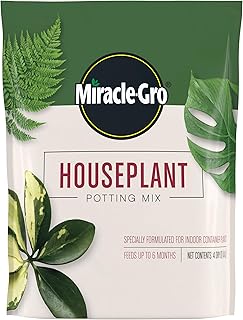
Fresh mix should match the plant type and drain well enough that roots get both moisture and oxygen. Dense, compacted soil is one of the biggest reasons repotted plants stall out afterward.
- General indoor plants: use a quality indoor potting mix that stays open rather than muddy
- Aroids such as pothos, philodendron, and monstera: benefit from a chunkier mix with bark and perlite
- Succulents and cacti: need a much faster-draining cactus-style mix
- Plants that hate staying wet: avoid heavy peat-only mixes with poor airflow
Step-by-step: how to repot a houseplant correctly
Step 1 — Water the plant the day before. Slightly moist roots are easier to handle than brittle, bone-dry roots. This reduces breakage when you remove the plant.
Step 2 — Prepare the new pot with fresh mix. Add enough mix to the bottom so the top of the root ball will sit slightly below the rim once the plant is centered. This is where many repotting jobs go wrong: if the base layer is too deep or too shallow, the plant ends up planted at the wrong height.
Step 3 — Remove the plant gently. Support the crown or stem base, tip the pot, squeeze the sides if the container is flexible, and work the root ball out slowly. If the plant is stuck, run a clean knife around the inside edge rather than yanking the stem.
Step 4 — Inspect the roots. Healthy roots are usually light-colored and firm. Trim roots that are black, mushy, hollow, or obviously rotting. If the root ball is tightly circling, loosen the outer roots gently with your fingers.
Step 5 — Set the plant at the same depth. Do not bury the crown deeper than it was before unless the plant type specifically benefits from it. Most houseplants want the original planting depth preserved.
Step 6 — Backfill around the root ball. Add fresh mix around the sides and settle it lightly. Firm enough to remove large air gaps, but not so hard that you compact the whole container.
Step 7 — Water thoroughly. Water until excess drains out the bottom. This settles the mix around the roots and helps you spot whether the new pot drains properly.
Step 8 — Let the plant recover. Keep it out of harsh direct sun for a short adjustment period if the plant is sensitive, and avoid heavy fertilizing immediately after repotting.
When is the best time to repot?
The best time is usually early spring into active growth, when the plant can respond fastest with new root growth. Many plants can also be repotted through late spring and summer if they are healthy and conditions are stable.
- Best: early spring through active growth
- Usually fine: late spring to early fall
- Use caution: winter, especially for slow-growing or stressed plants
Common repotting mistakes that cause more damage than help
- choosing a pot that is far too large
- using compacted or moisture-heavy soil that does not breathe
- burying the plant deeper than it was before
- packing soil too tightly around the roots
- fertilizing too aggressively right after repotting
- repotting a plant under drought stress or pest pressure without checking whether the real issue is light, pests, or root rot first
If your plant is struggling before you repot, diagnose the actual problem first. Repotting is helpful when the potting system is the issue. It is not a magic reset for every plant problem.
Aftercare: what should you do after repotting?
Aftercare matters almost as much as the repot itself. Give the plant stable light, do not drown it, and do not overcorrect with fertilizer or constant movement.
- water thoroughly once, then return to normal moisture checks
- keep the plant in bright, appropriate light rather than a dark recovery corner
- avoid repotting and pruning heavily on the same day unless necessary
- watch for temporary droop, but be more concerned by ongoing decline after several days
For related plant-care fundamentals, see the indoor plant care guide, plant light requirements, how to water houseplants correctly, pothos care guide, and Monstera care guide.
Helpful resources
Frequently Asked Questions
How often should you repot houseplants?
Most houseplants do not require a strict calendar schedule. Instead, repot when you see physical signs like roots emerging from drainage holes, water running straight through the pot, or significant growth stagnation. For most species, this occurs every 12 to 24 months depending on growth rate.
Should you water right after repotting?
Yes, you should water thoroughly immediately after repotting. This critical step settles the fresh potting medium around the root ball, eliminating large air pockets (voids) that can cause roots to dry out and die. Ensure the pot has adequate drainage to prevent waterlogging.
How much bigger should a new pot be?
Choose a container that is 1 to 2 inches wider than the previous one. Moving to a pot that is too large increases the volume of soil that must be moistened, which often leads to overwatering, soil compaction, and root rot due to excess moisture retention.
Can repotting shock a plant?
Yes, repotting shock occurs when root hairs are damaged or the plant is moved to an unsuitable environment. You can minimize this by watering the day before, avoiding aggressive root pruning, and keeping the plant in stable, bright indirect light for several days after the move.