 Skip to content
TL;DR: Rare houseplants are worth buying only after you verify care needs, seller proof, shipping risk, and quarantine space.
PlantasticHaven practical care guide
Quick answer: A sober rare houseplants guide covering buyer risk, care difficulty, light, humidity, pests, propagation, and what collectors should avoid.
This guide is written for normal indoor homes, not ideal greenhouse conditions. Claims are kept practical, unsupported hype is avoided, and plant-health guidance is framed as observation and care support rather than guaranteed diagnosis. About · Editorial Policy · Review Methodology · Contact
PlantasticHaven care guide · Updated 2026
Rare Houseplants Collector Guide: Care, Sourcing, Pricing & Scam Checks
Buy rare houseplants only after matching the species to your indoor light, humidity, pest tolerance, and budget; this guide shows the care checks that matter before money changes hands.
Quick summary
What makes a houseplant rare?
A rare houseplant is an indoor plant with limited availability, unusual genetics, slow propagation, unstable variegation, import restrictions, or collector-driven demand. Rarity does not automatically mean the plant is healthier, more stable, easier to grow indoors, or worth the price.
| Rarity factor | What it means | Buyer caution |
|---|---|---|
| Variegation | Unusual color pattern on leaves caused by genetics or mutation | May be unstable, revert, or require strong light |
| Limited propagation | Slow growth or low availability | Higher price and slower recovery if damaged |
| Import status | Plant recently shipped or acclimating | Higher stress and pest risk |
| Social hype | Demand driven by trends | Prices can change quickly |
| Care difficulty | Needs humidity, support, warmth, or careful watering | Not ideal for beginners |
PlantasticHaven guide
Are you ready to buy rare plants?
Rare plant readiness means you can keep common houseplants healthy, read leaf and root problems early, and provide stable indoor conditions before paying collector prices.
- Can you keep common plants healthy for at least several months?
- Do you have bright indirect light or grow lights, especially for variegated leaves that need energy but can scorch?
- Can you provide stable warmth and humidity if needed?
- Do you have a quarantine space for new arrivals?
- Can you identify common pests before buying?
- Are you comfortable losing the plant without financial stress?
- Have you researched the exact species or cultivar, not just the trade name, using indoor plant care basics as your baseline?
PlantasticHaven guide
Which rare houseplants should collectors research first?
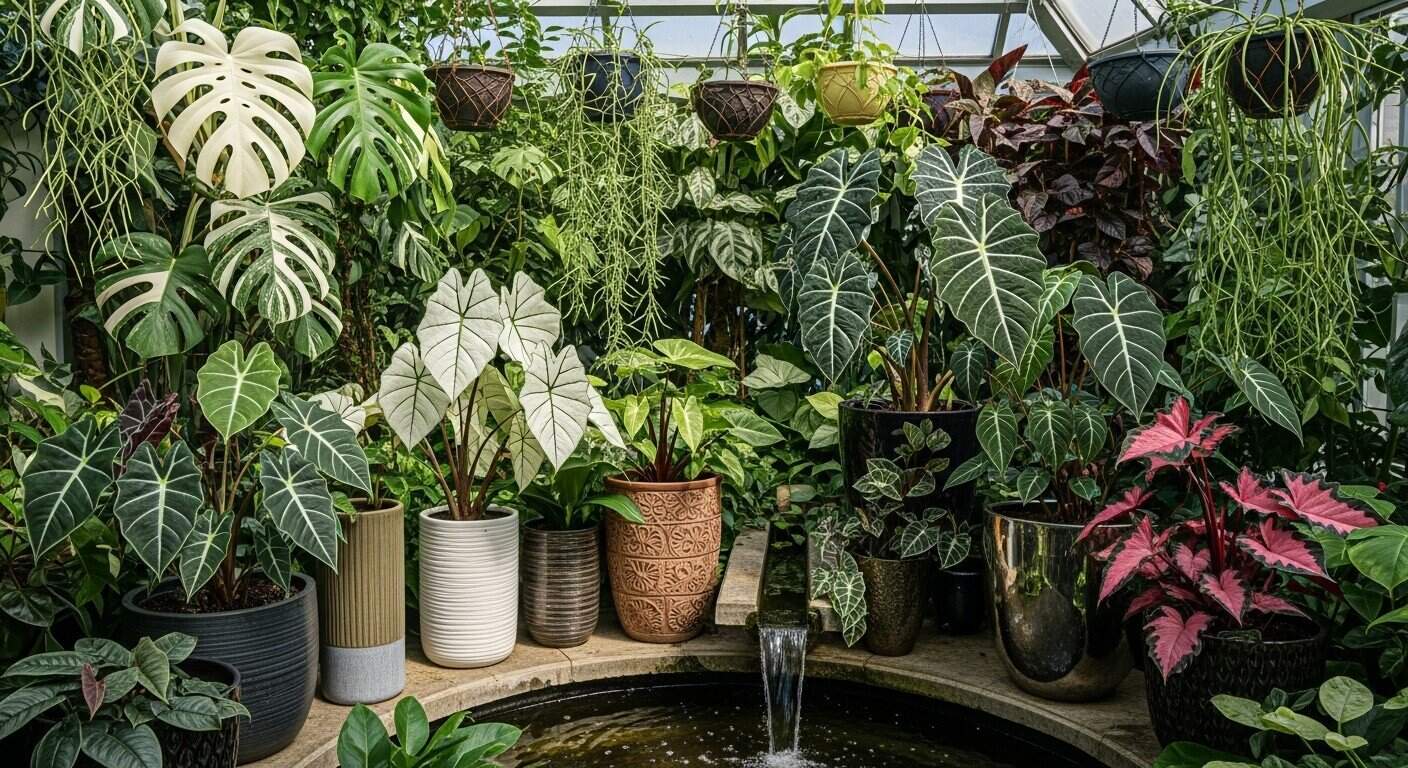
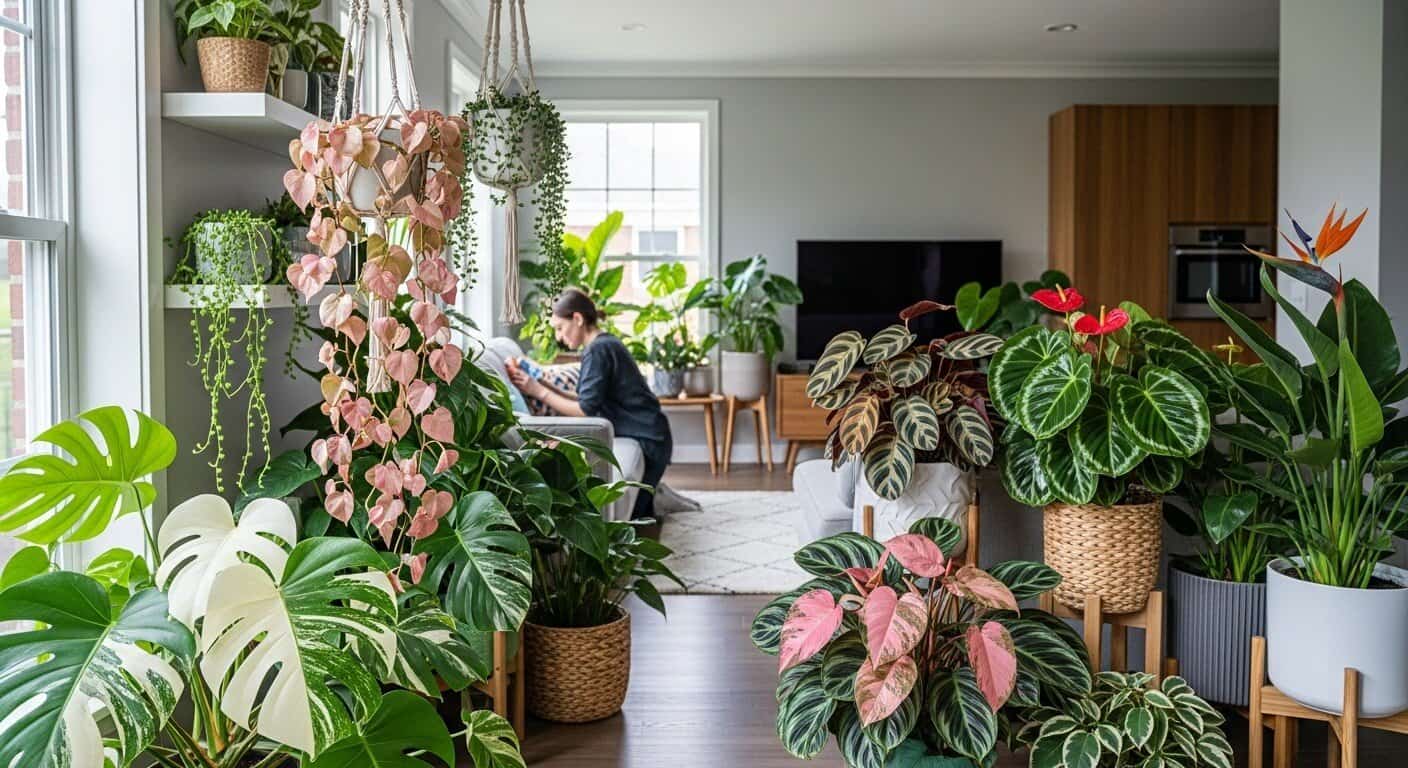
Collector plants are houseplants purchased for distinctive foliage, growth form, species identity, or cultivar traits. Research the plant group before the price tag, because a Philodendron cutting, an Anthurium seedling, and an Alocasia corm fail for different reasons indoors.
| Group | Examples | Care risk |
|---|---|---|
| Variegated aroids | Variegated Monstera, variegated Philodendron, variegated Syngonium | Variegation stability, light balance, price risk |
| Collector Philodendrons | Gloriosum, melanochrysum, verrucosum, Mayoi, Birkin variants | Support, humidity, root health, leaf shape, and identification |
| Anthuriums | Crystallinum, clarinervium, warocqueanum types | Humidity, airflow, consistent moisture |
| Alocasias | Dragon scale, silver dragon, variegated types | Pests, dormancy, root sensitivity |
| Hoyas | Variegated and uncommon species | Light, drying rhythm, patience |
| Dischidia and unusual epiphytes | Specialty hanging plants | Airy mix and watering precision |
PlantasticHaven guide
How do you avoid rare plant scams?
Rare plant scam prevention starts with documentation: current photos, exact-plant proof, rooting status, shipping terms, and seller history. A trustworthy seller should be comfortable answering specific questions before you pay.
- Ask for current photos, not only stock images.
- Request a photo of the exact plant, roots if appropriate, and the growth point.
- Check seller reviews across multiple platforms and compare buying options with where to buy Philodendrons safely before paying collector prices.
- Avoid deals that are far below market without explanation.
- Ask about shipping insulation, heat packs, weather holds, and refund policy.
- Be cautious with fresh unrooted cuttings sold as established plants.
- Confirm whether the plant is imported, acclimated, rooted, freshly cut, or sold as a node-only propagation with no active growth point.
PlantasticHaven guide
How should you quarantine a rare plant after shipping?
Rare plant quarantine is the period after arrival when you isolate the plant, inspect leaves and roots, watch for pests, and let it adjust before repotting or joining the main collection.
- Unpack carefully and photograph the plant on arrival.
- Inspect leaf undersides, stems, nodes, soil surface, and roots if necessary.
- Keep the plant separate from your collection for several weeks; as of 2026, this remains the safest low-cost defense against hidden indoor plant pests.
- Do not immediately repot unless the medium is failing or pests/rot are present.
- Provide stable light, warmth, and humidity; avoid constant moving.
- Treat pests based on identification, not panic.
If inspection shows webbing, sticky residue, stippled leaves, or crawling insects, use the houseplant pest-control guide before moving the rare plant near the rest of your collection.
Quick answers
Frequently Asked Questions
What rare houseplant should beginners buy first?
A beginner rare houseplant should be well-rooted, locally acclimated, and forgiving in normal indoor conditions. Start with a healthy Philodendron or Hoya from a reputable seller rather than a fragile imported cutting, node-only sale, or high-variegation plant with unstable leaves.
Are rare plants worth the money?
Rare plants are worth the money only when you value the plant, understand the care requirements, and can absorb the loss if shipping, pests, root rot, or unstable variegation causes decline. The safest purchase is a plant you can keep healthy, not the trendiest listing.
How do I avoid rare plant scams?
To avoid rare plant scams, ask for current photos of the exact plant, including roots and the growth point when appropriate. Verify seller history, compare prices against the market, avoid rushed payments, and confirm whether the plant is rooted, imported, acclimated, or freshly cut.
Should I import rare plants?
Importing rare plants can be rewarding, but it increases stress, pest, acclimation, and shipping risk. Beginners are usually better served by locally acclimated, rooted plants because those plants have already adjusted to indoor conditions and are easier to inspect before purchase.
Why do rare plant leaves revert or lose variegation?
Rare plant leaves can revert when a variegated plant produces greener growth, often because the variegation is unstable or the plant needs more usable light. Stronger light may help some plants, but scorching, weak roots, and poor indoor conditions can still damage new growth.
References
Sources and editorial guardrails
Editorial trust note: PlantasticHaven frames rare-houseplant advice around observable plant health, university extension guidance on indoor light, watering, and pests, and conservative buying checks rather than seller hype or guaranteed outcomes.
- University of Florida IFAS: indoor garden light considerations — used here for indoor light and grow-light caution.
- University of Maryland Extension: watering indoor plants
- University of Minnesota Extension: indoor plant pests — used here for pest inspection and quarantine guidance.